

 俄语
俄语 西班牙语
西班牙语 阿拉伯语
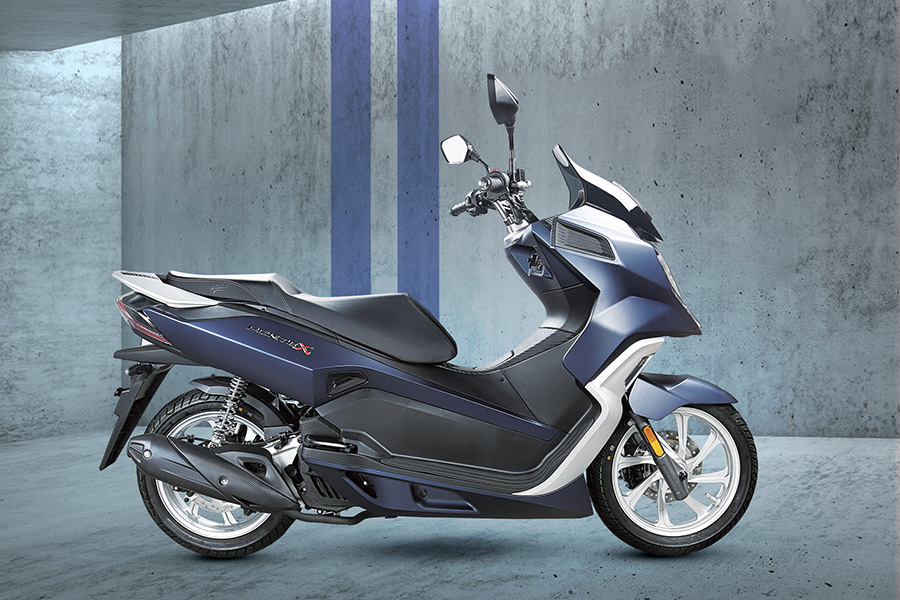
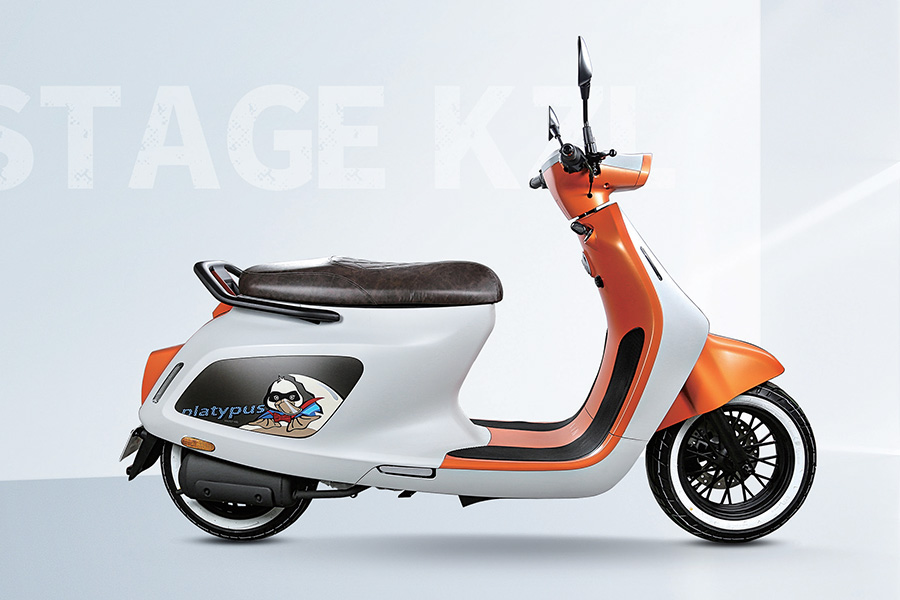
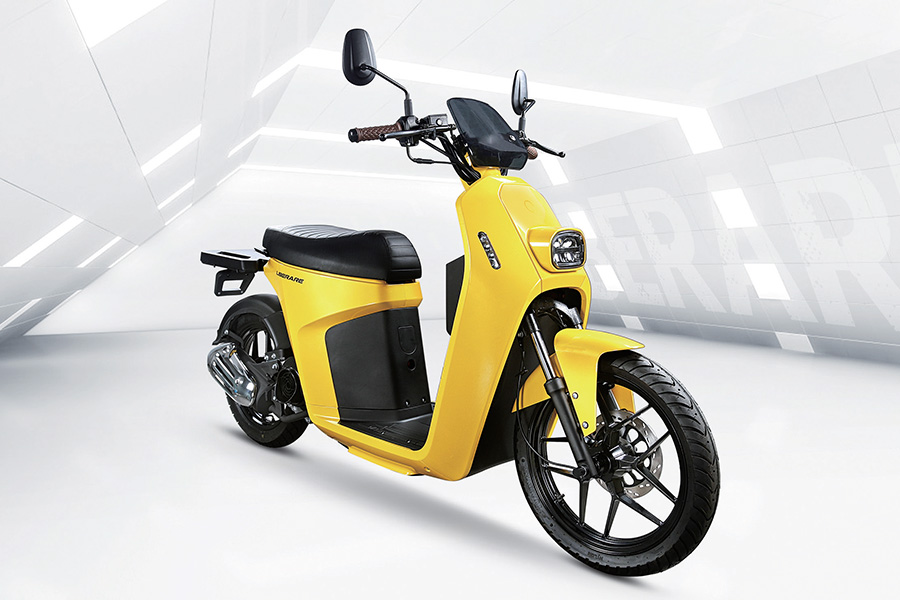
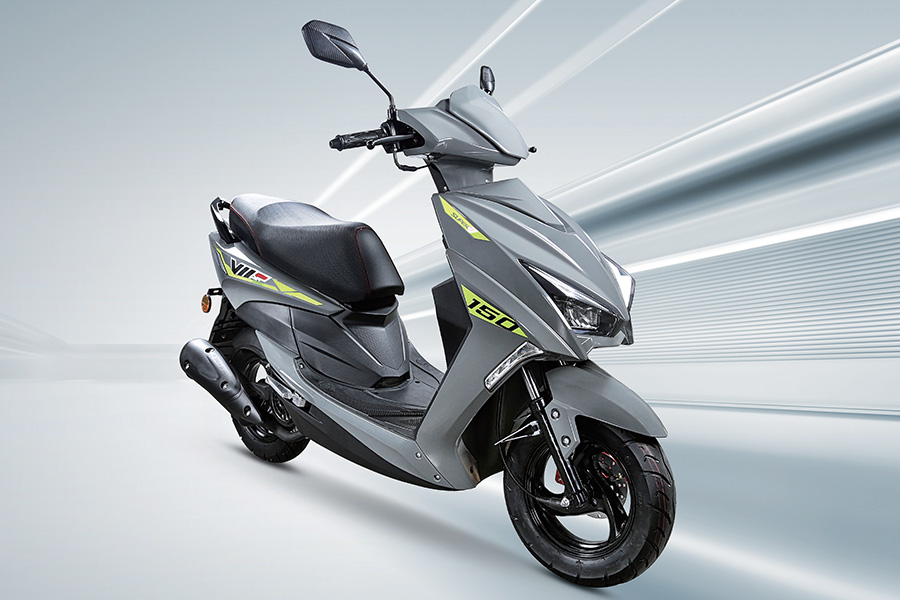
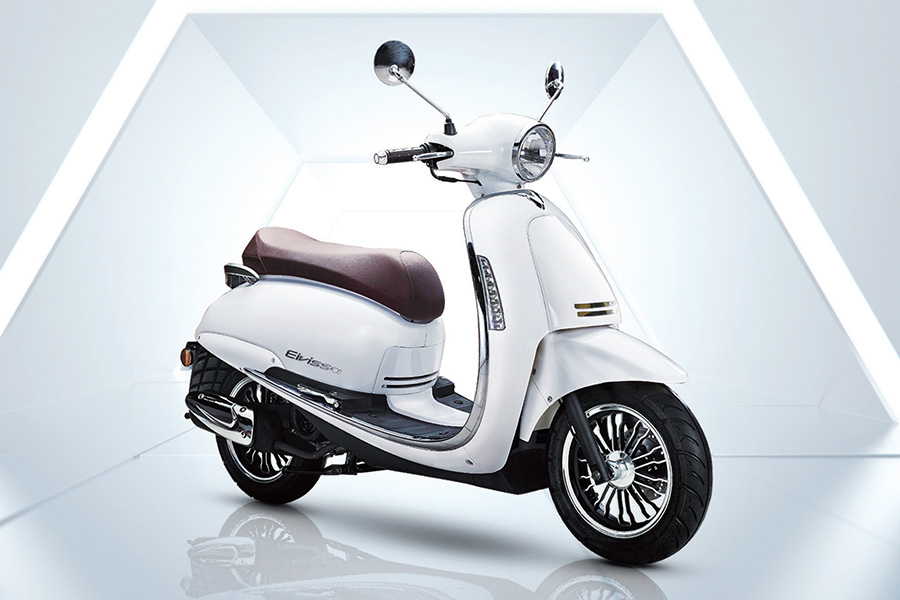
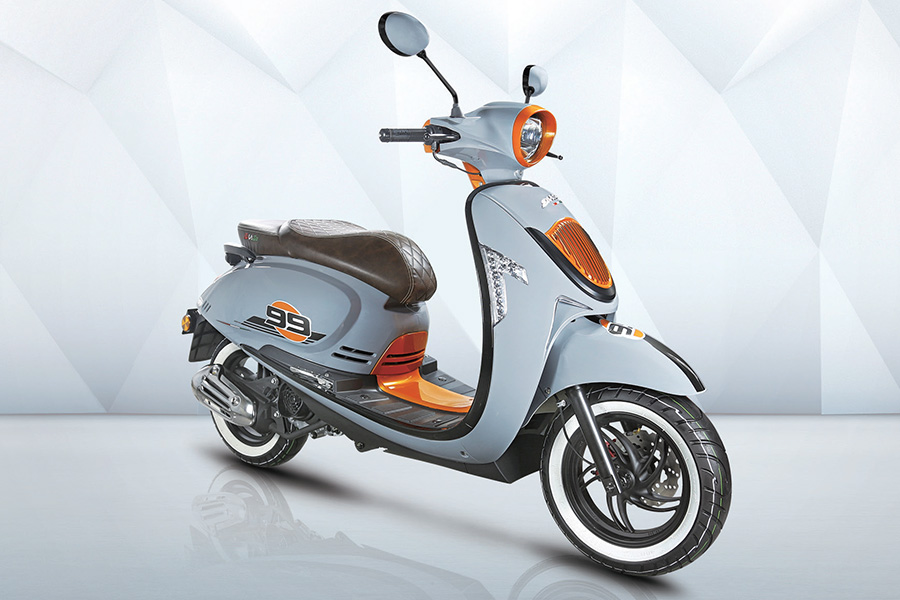
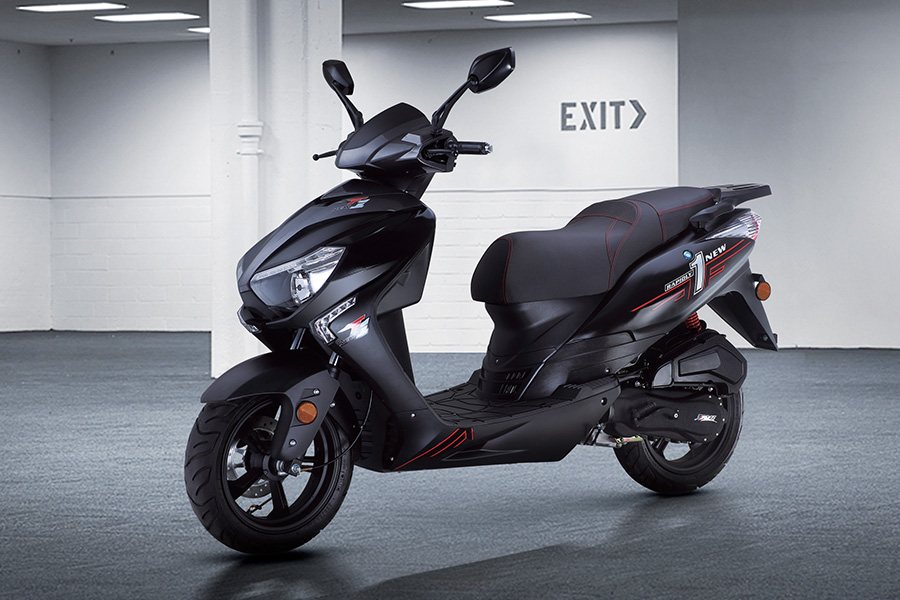
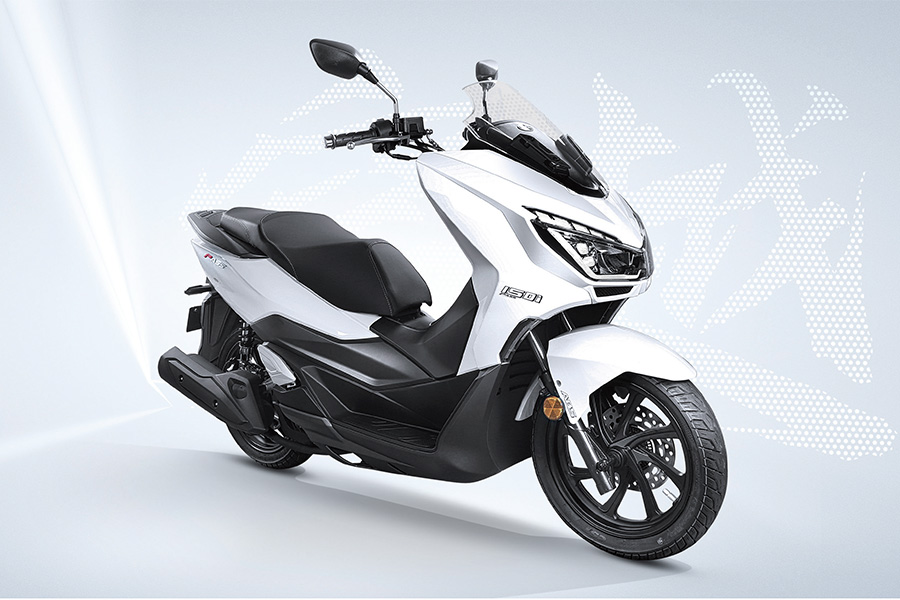
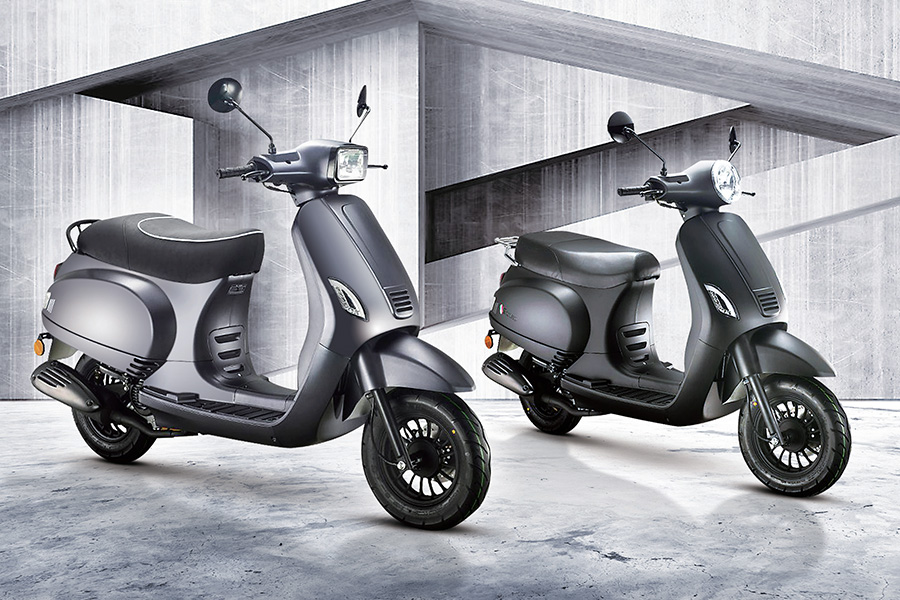
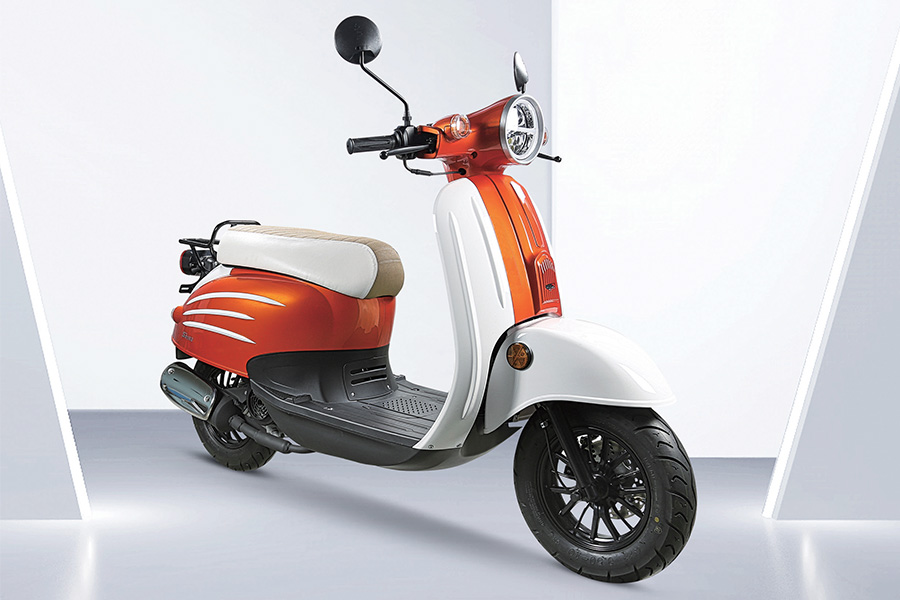
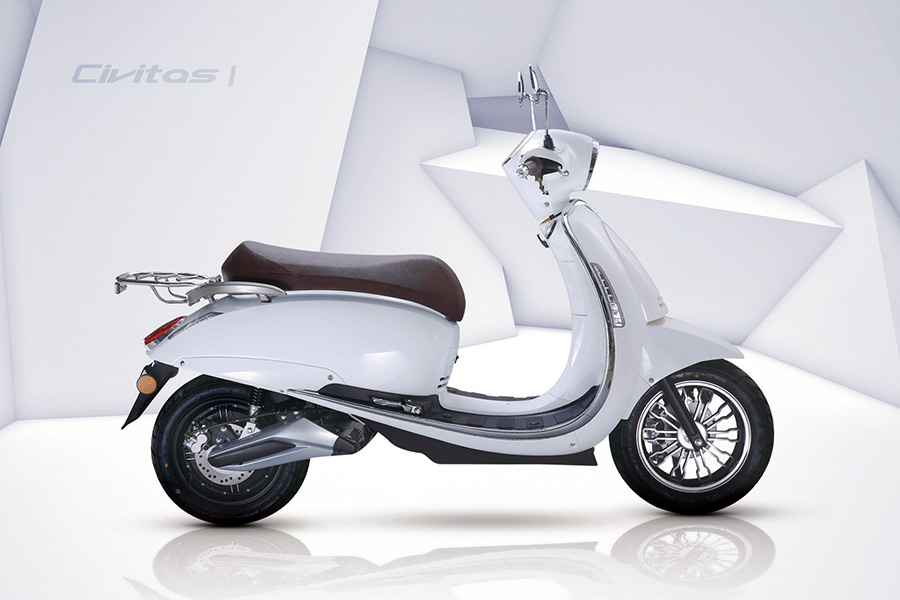
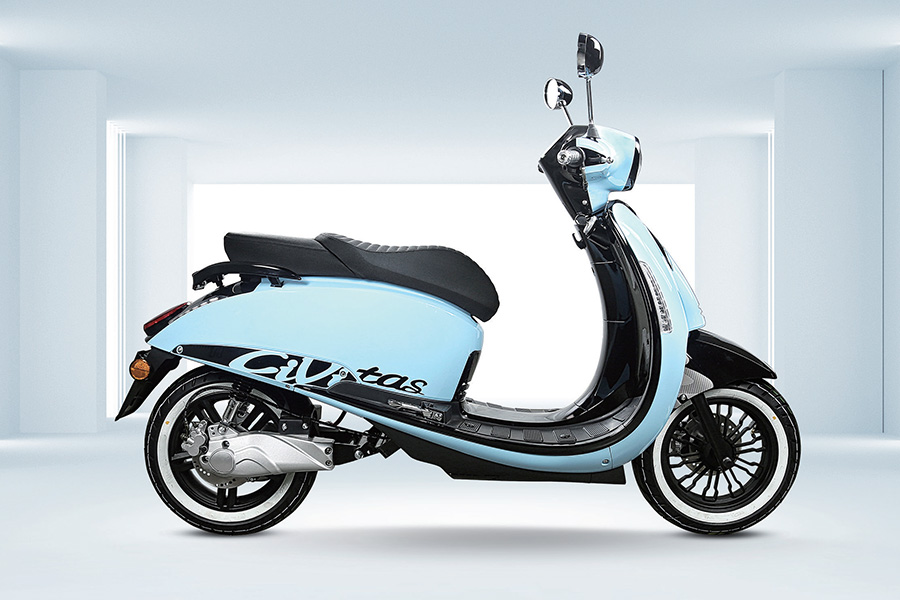
阿拉伯语Moped scooter gasoline have remained a popular mode of transportation, especially in urban areas where traffic congestion and limited parking make them an attractive alternative to cars. These two-wheeled vehicles, powered by gasoline engines, offer an affordable, efficient, and often faster solution for short-distance travel.
Gasoline mopeds are often favored for their convenience and affordability. Unlike electric vehicles that require regular charging, a gasoline moped can be refueled quickly at any nearby gas station, making them an ideal choice for individuals who need to travel long distances or those who live in areas where electric vehicle infrastructure is still developing. The ability to cover longer distances on a single tank of fuel means that riders do not need to worry about running out of power in the middle of their journey. This is particularly important in regions where charging stations are scarce or not easily accessible.
One of the major advantages of gasoline mopeds over electric scooters is their affordability. While the initial cost of purchasing a gasoline moped may vary depending on the model and brand, it is generally more cost-effective than electric alternatives. This makes gasoline mopeds an attractive option for individuals looking for a low-cost transportation solution, especially in developing countries or areas with limited access to electric vehicle incentives. Gasoline mopeds have a relatively low cost of ownership in terms of maintenance and repair, as their technology is well-established and does not require specialized knowledge or parts like some electric vehicles do.
The simplicity of gasoline mopeds also contributes to their continued popularity. These vehicles have been around for decades, and the technology behind them is tried and tested. Riders find them easy to operate, and the availability of spare parts means that repairs can be done quickly and inexpensively. For those who rely on their mopeds for daily commuting or delivery work, the dependability of gasoline-powered scooters is a key factor in their choice.
However, it’s essential to acknowledge that gasoline mopeds have some drawbacks. The primary concern is their environmental impact. Gasoline-powered engines emit harmful pollutants such as carbon dioxide and nitrogen oxides, contributing to air pollution and climate change. In many cities, the push for cleaner, more sustainable transportation options has led to the growing popularity of electric scooters, which produce no emissions.
Gasoline mopeds also require regular maintenance, such as oil changes, air filter replacements, and engine tune-ups, which can add to the long-term costs of ownership. These vehicles tend to be noisier than electric mopeds, which can contribute to noise pollution in urban environments. While these issues are significant, they do not overshadow the practical benefits that gasoline mopeds continue to offer to millions of riders worldwide.
Gasoline mopeds will likely remain a relevant and practical transportation option for the foreseeable future. They are especially valuable in regions where infrastructure for electric vehicles is lacking or where the cost of electric alternatives is prohibitive. For those who prioritize affordability, simplicity, and reliability, gasoline mopeds continue to be a valuable solution for daily commuting and short-distance travel.
Conclusion
Moped scooters gasoline provide a reliable and efficient transportation option for millions of people around the world. While environmental concerns and the rise of electric alternatives are reshaping the future of personal transportation, gasoline mopeds continue to hold a place in the market. They offer an affordable, practical solution for individuals who need quick, cost-effective, and flexible mobility in cities and rural areas alike.