

 俄语
俄语 西班牙语
西班牙语 阿拉伯语
阿拉伯语Scooter Street has become a notable part of urban transportation in many cities, offering an alternative way to navigate busy streets. The rise of electric and manual scooters has brought attention to the convenience of this mode of transport, as it allows people to travel shorter distances quickly while avoiding traffic congestion. Scooter Street has gained popularity among young adults, professionals, and tourists who seek a practical solution for city travel. The environment also benefits from scooter use, as it contributes to reducing car emissions and lowering urban pollution.
Cities that have integrated Scooter Street programs report an increase in mobility options and enhanced pedestrian safety. Local authorities have been working to design streets and lanes that accommodate scooters, bicycles, and pedestrians. Dedicated paths have been introduced in some areas, separating scooters from main vehicle roads, which has helped prevent accidents and improved traffic flow. Scooter Street is considered a flexible solution because it does not require heavy infrastructure changes, making it easier for cities to implement quickly.
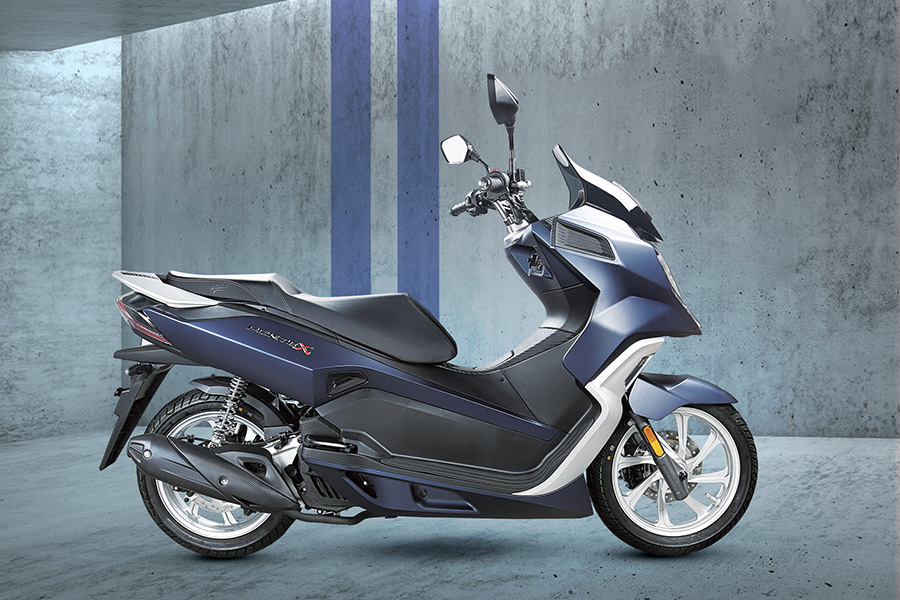
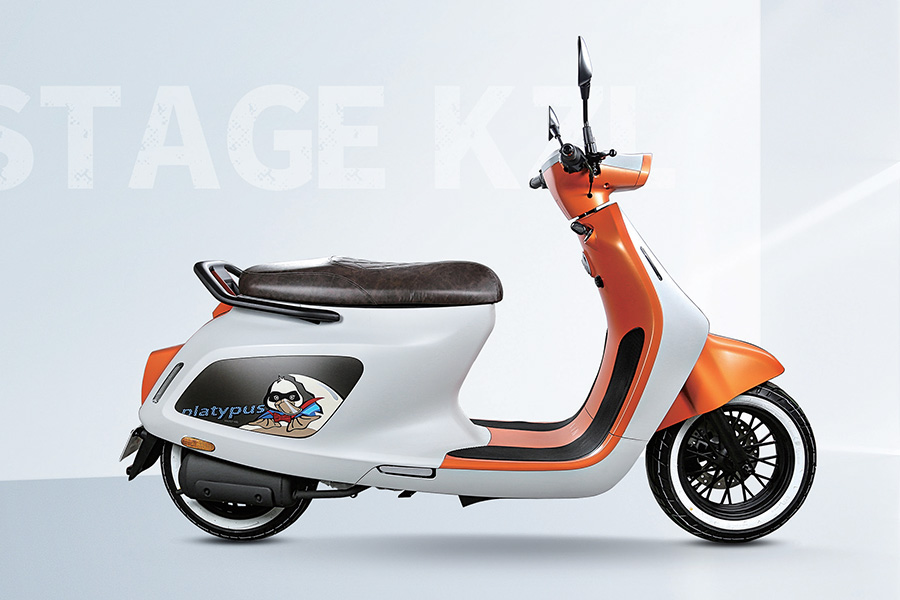
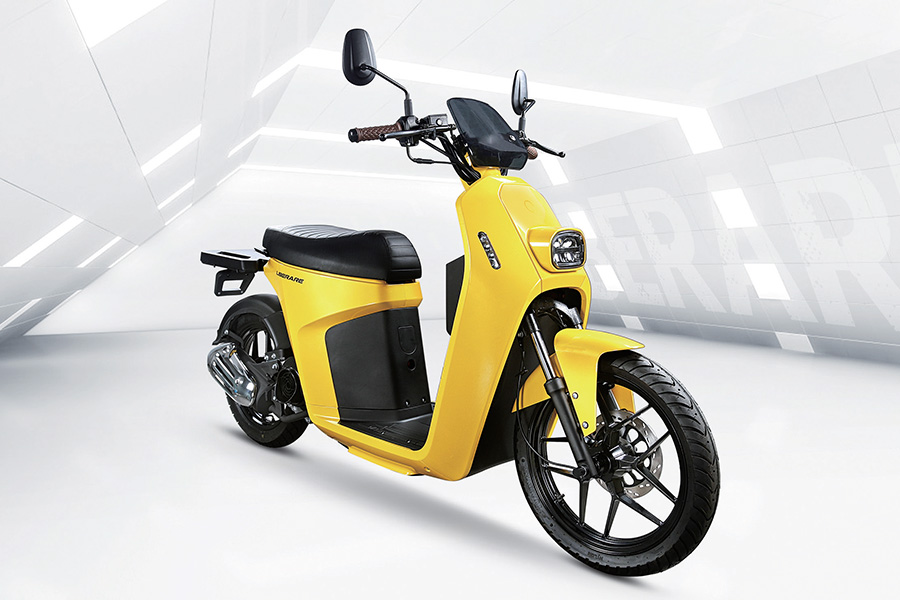
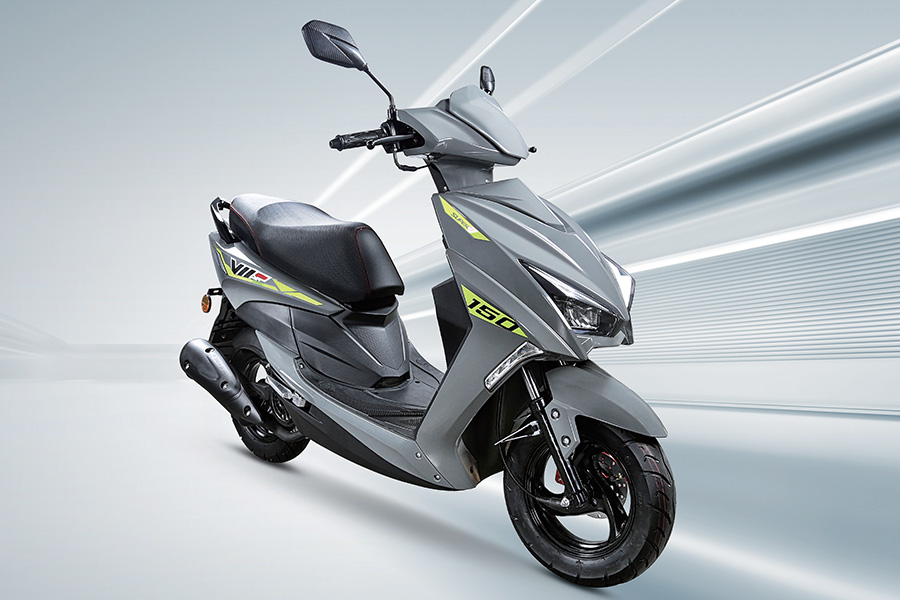
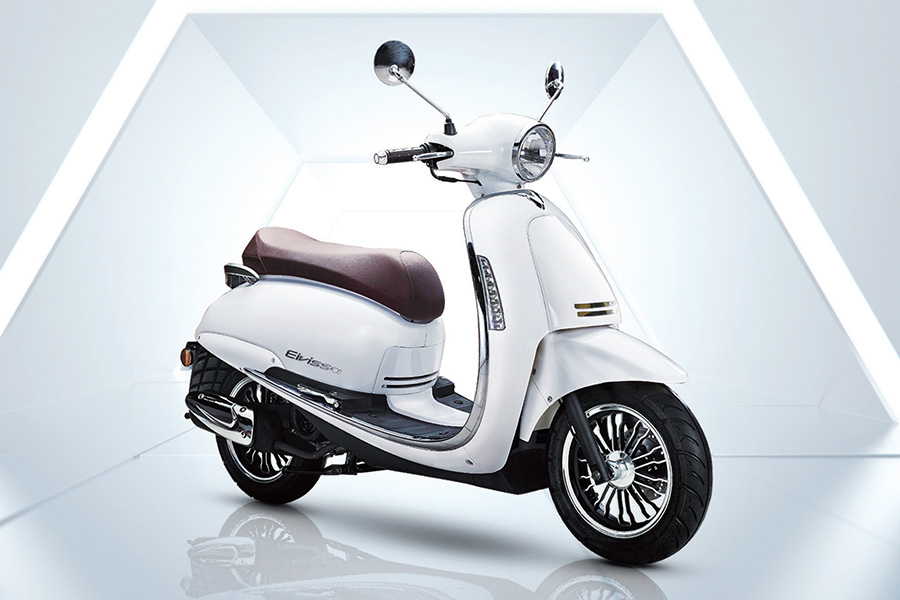
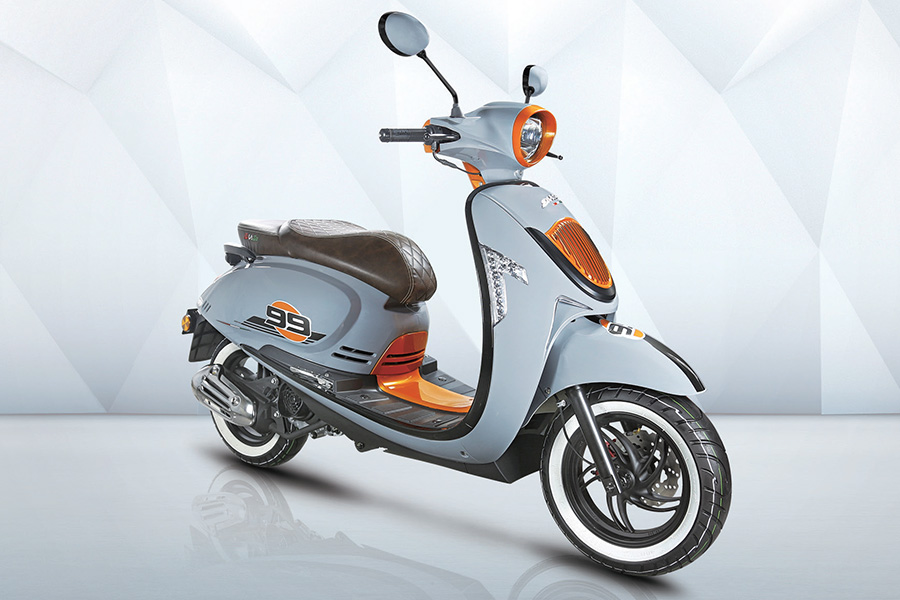
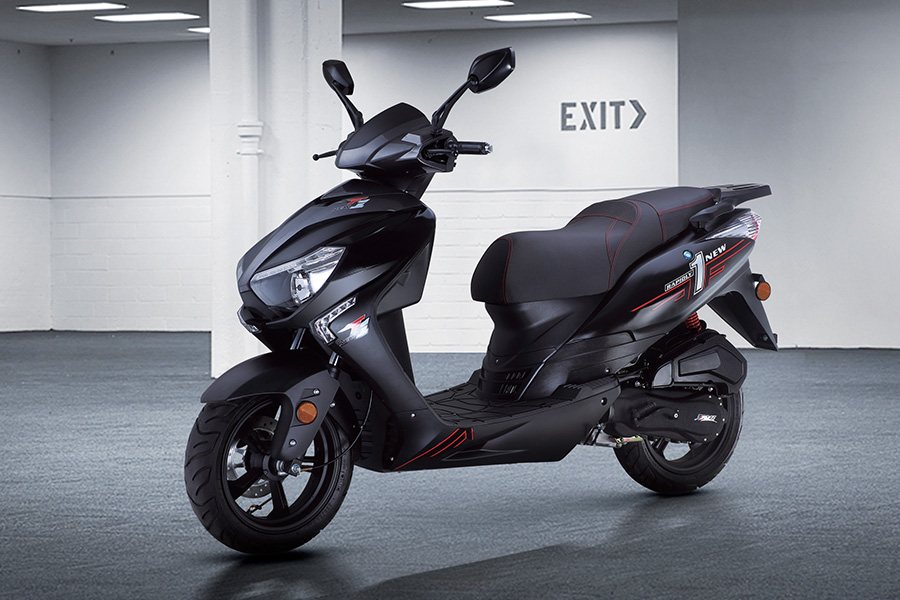
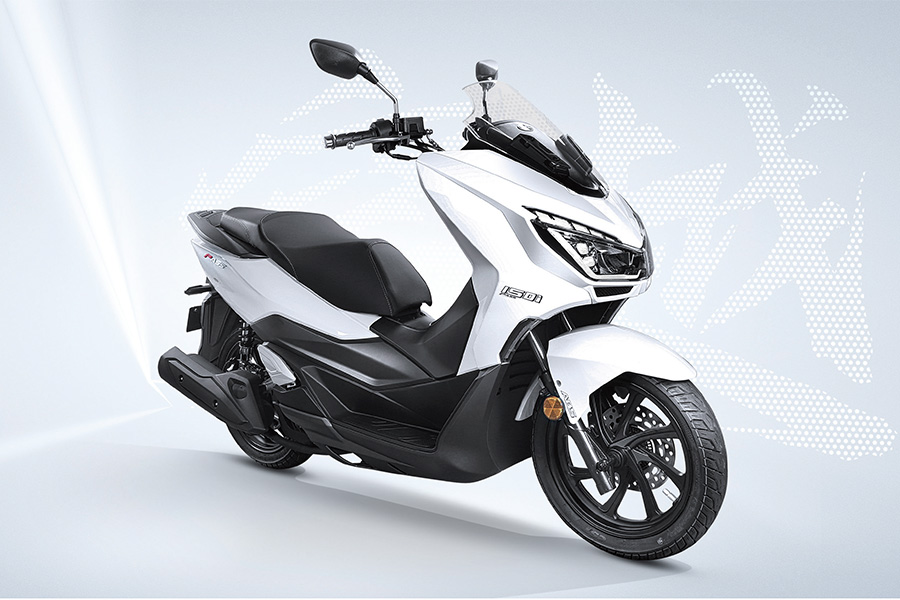
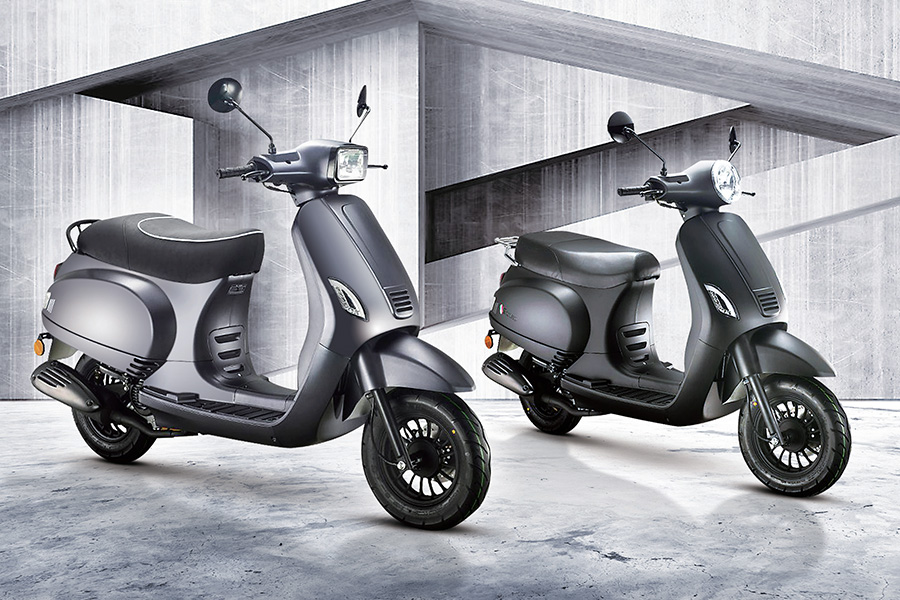
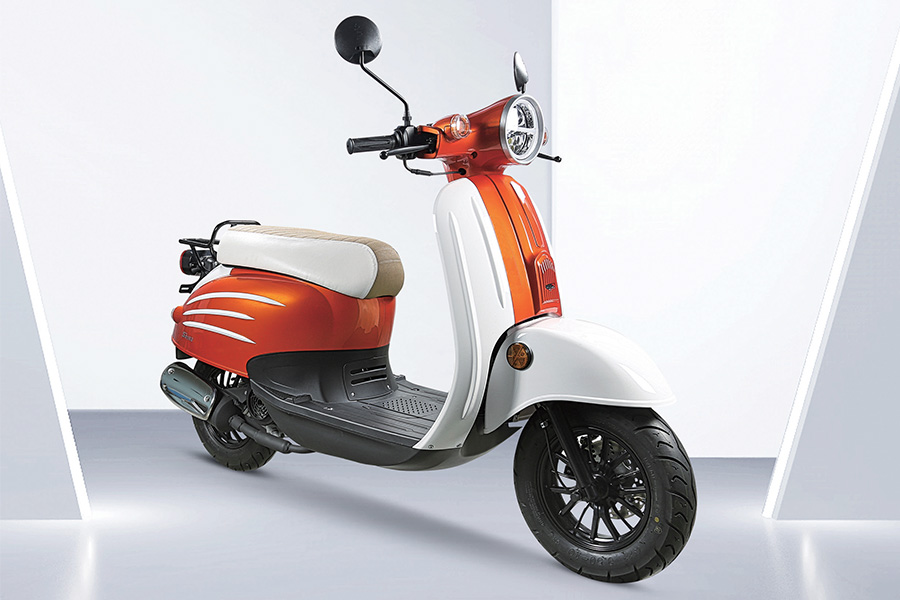
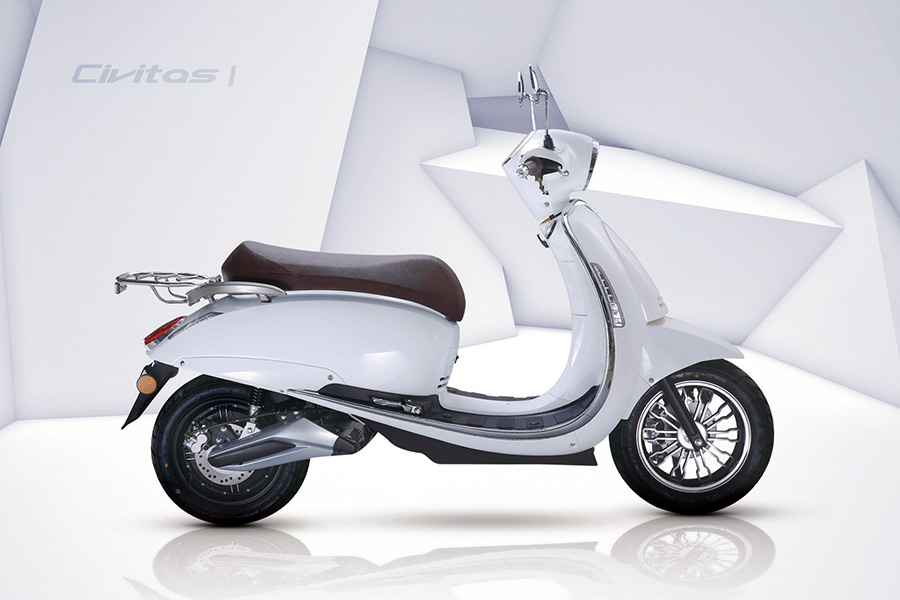
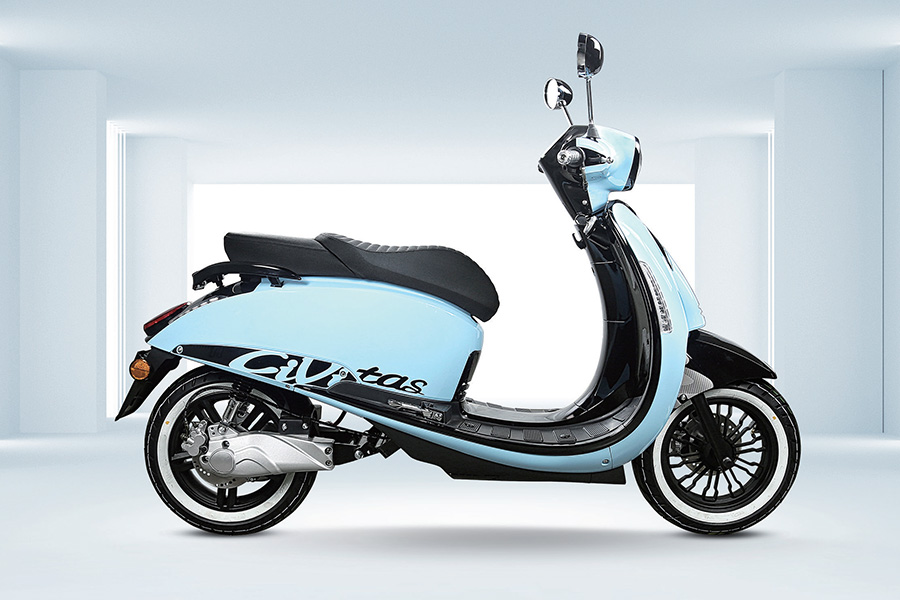
The design of modern scooters plays a key role in their popularity. Lightweight frames, long-lasting batteries, and compact folding features have made scooters more appealing. Riders appreciate the ease of carrying a scooter onto public transportation or storing it in small apartments. Scooter Street encourages people to combine multiple transport modes, such as riding a scooter to a subway station and then continuing the journey on a train. This approach increases commuting efficiency and allows for more seamless travel.
Safety remains a central focus for Scooter Street initiatives. Helmets, speed limits, and clear traffic regulations help protect riders. Public awareness campaigns emphasize the importance of following rules and using reflective gear during evening rides. Many cities have also introduced apps to track scooter usage and provide real-time guidance on safe routes. These tools enhance user experience while reducing risks associated with riding scooters on crowded streets.
Scooter Street has also influenced local economies. Scooter rental programs and repair services have created new business opportunities. Entrepreneurs are exploring ways to provide efficient scooter-sharing networks, and some cafés and shops have begun offering charging stations for riders. Real estate developments near popular Scooter Street routes benefit from increased foot traffic, as riders are more likely to stop at nearby businesses.
Environmental considerations further support the growth of Scooter Street. Reduced reliance on cars helps decrease greenhouse gas emissions, and the use of electric scooters contributes to cleaner air. Some cities have initiated programs that encourage riders to park scooters in designated areas to prevent clutter on sidewalks. These measures demonstrate that Scooter Street can coexist with urban landscapes without disrupting daily life.
The popularity of Scooter Street also reflects changing attitudes toward mobility. People are increasingly interested in flexible and efficient transport options that fit modern lifestyles. The integration of scooters into public transport systems shows how urban mobility can adapt to meet demand without compromising safety or convenience. Riders are motivated not only by practicality but also by the enjoyment of using a device that allows for independent and convenient travel.
In conclusion, Scooter Street has become an important part of urban transport networks, offering both environmental and social benefits. Its success relies on careful planning, safety measures, and community engagement. By combining convenience, efficiency, and sustainability, Scooter Street provides a practical solution for navigating cities while encouraging people to reconsider traditional commuting methods. Continued innovation and collaboration among urban planners, riders, and businesses will shape the ongoing development of Scooter Street, ensuring that it remains a viable and attractive transportation option for city dwellers.