

 俄语
俄语 西班牙语
西班牙语 阿拉伯语
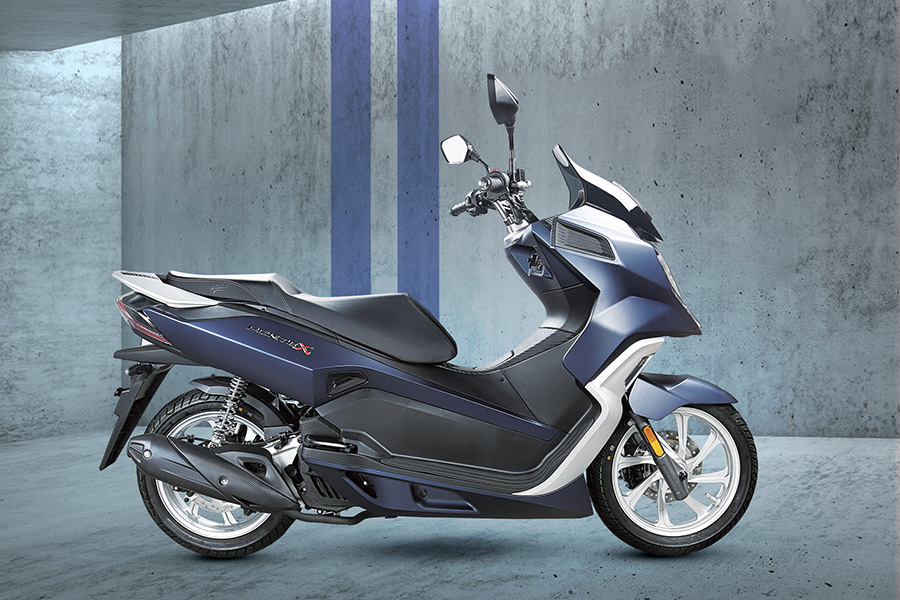
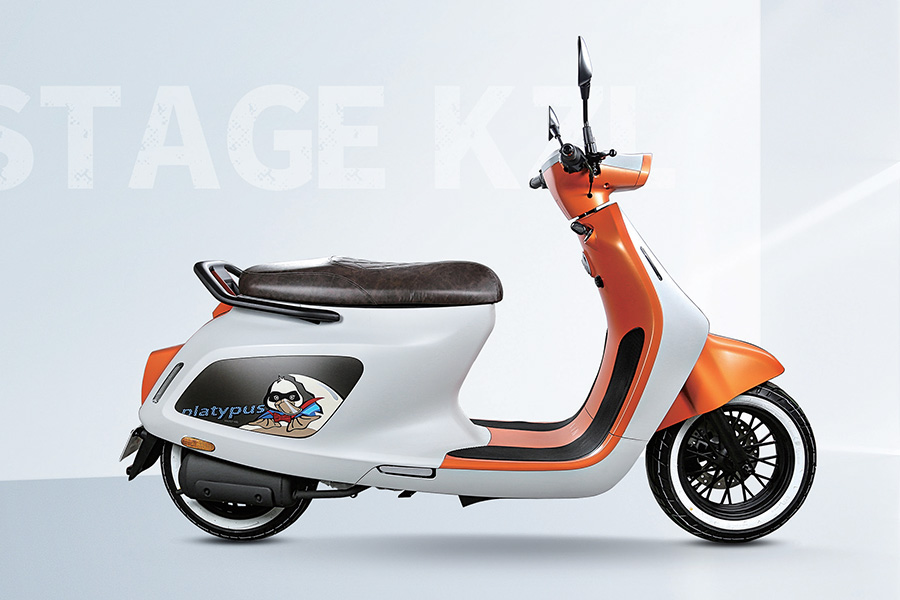
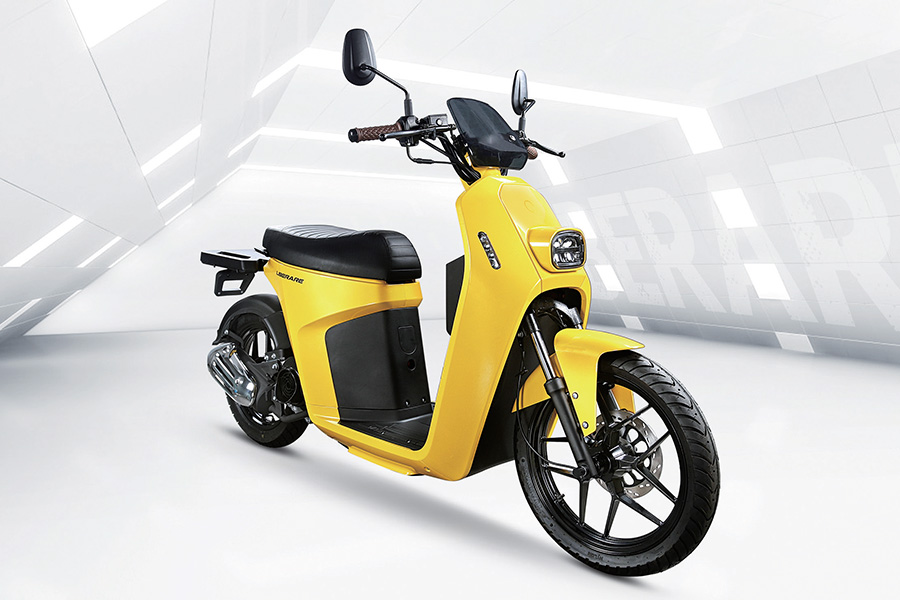
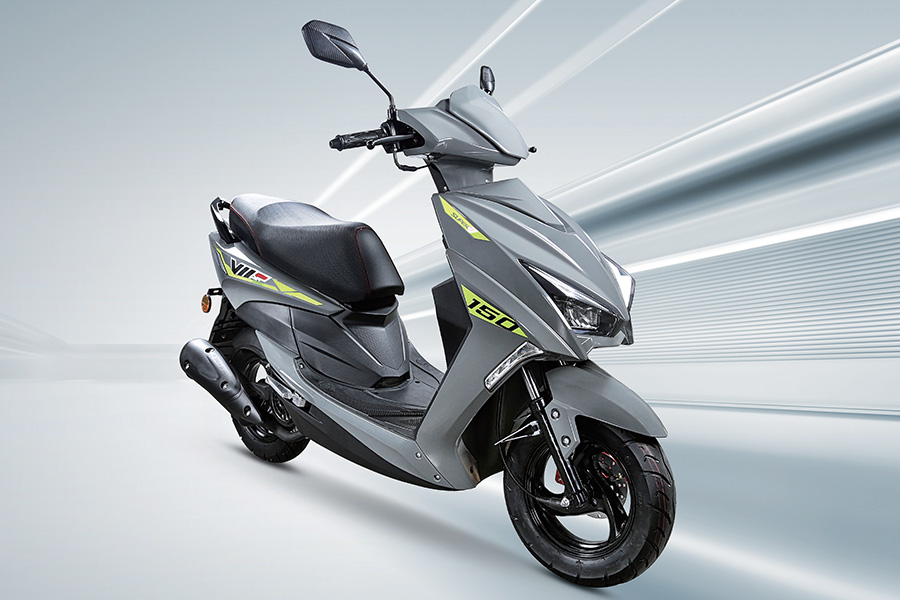
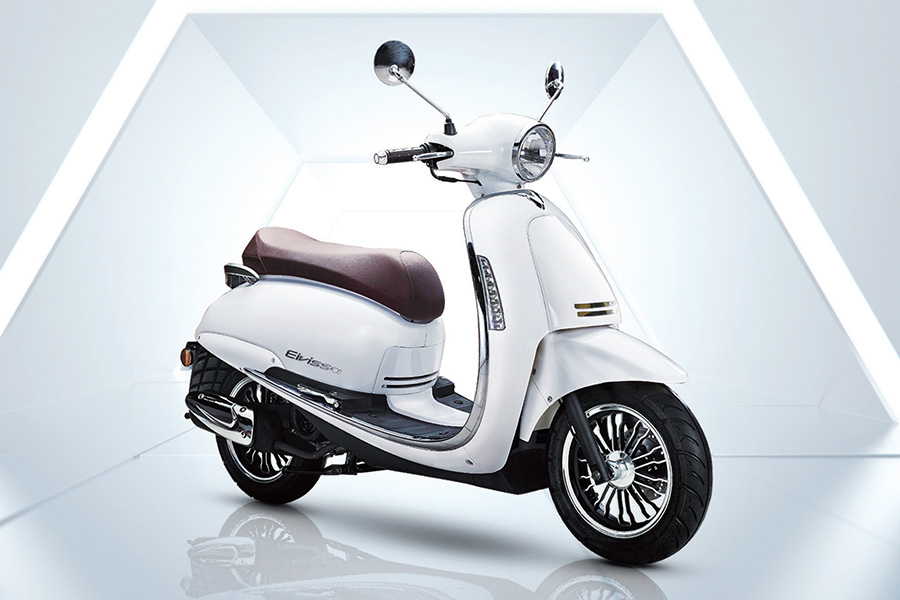
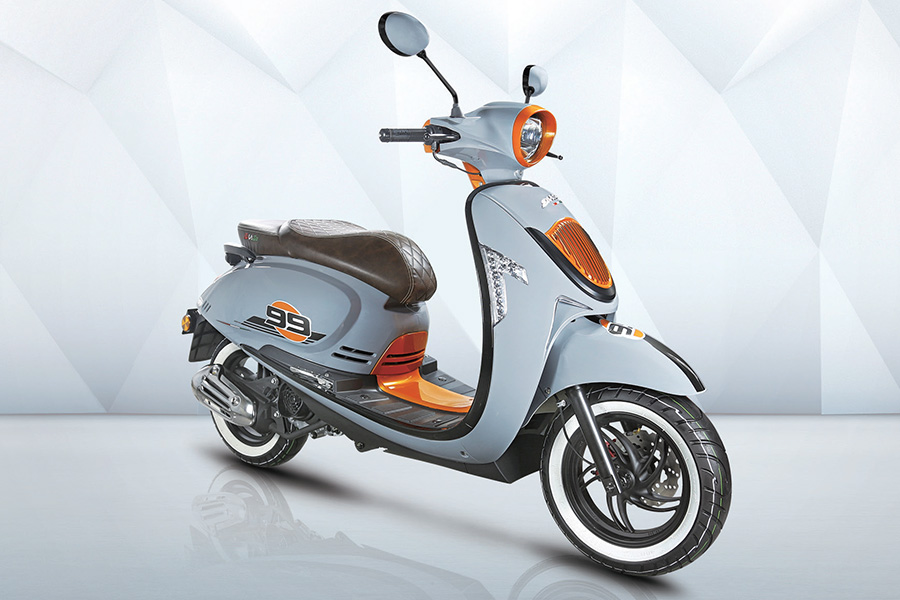
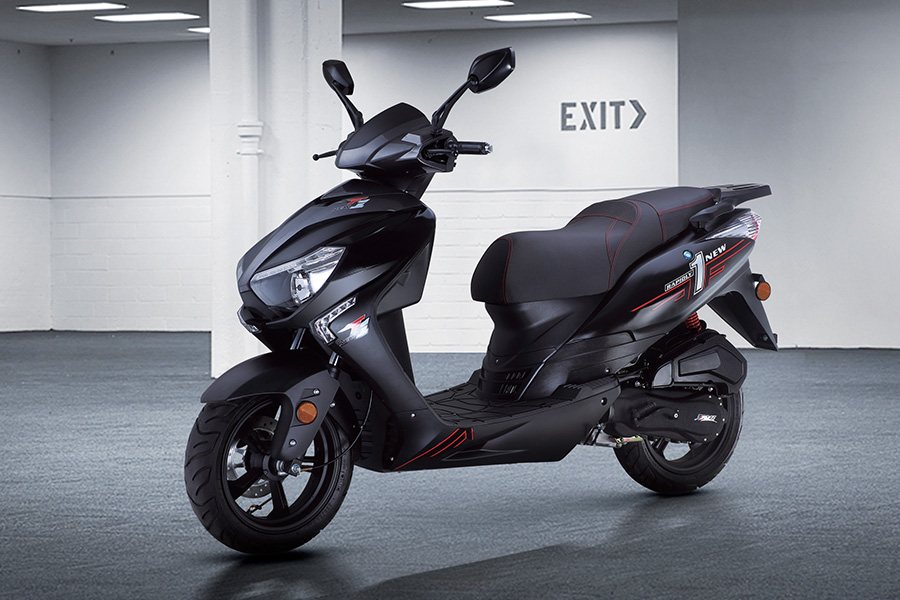
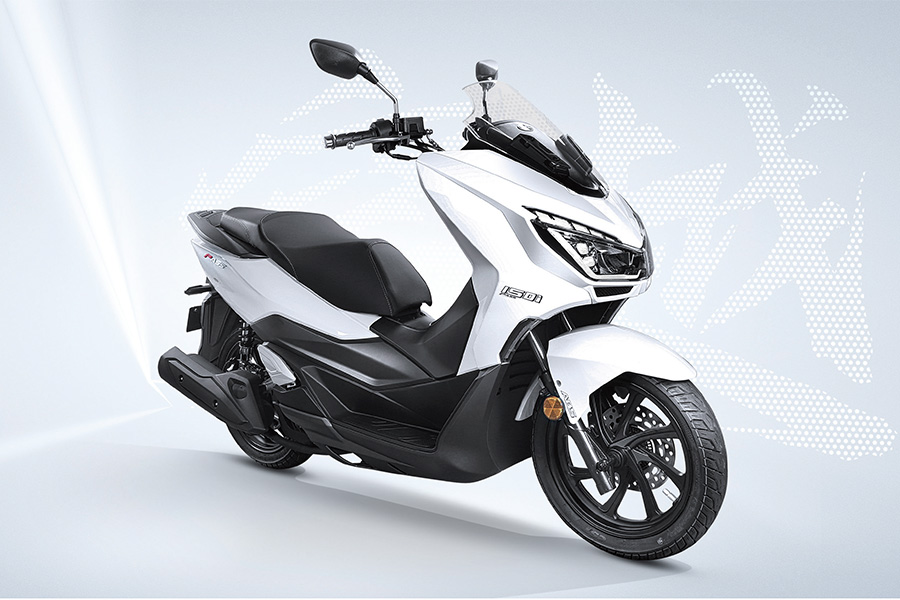
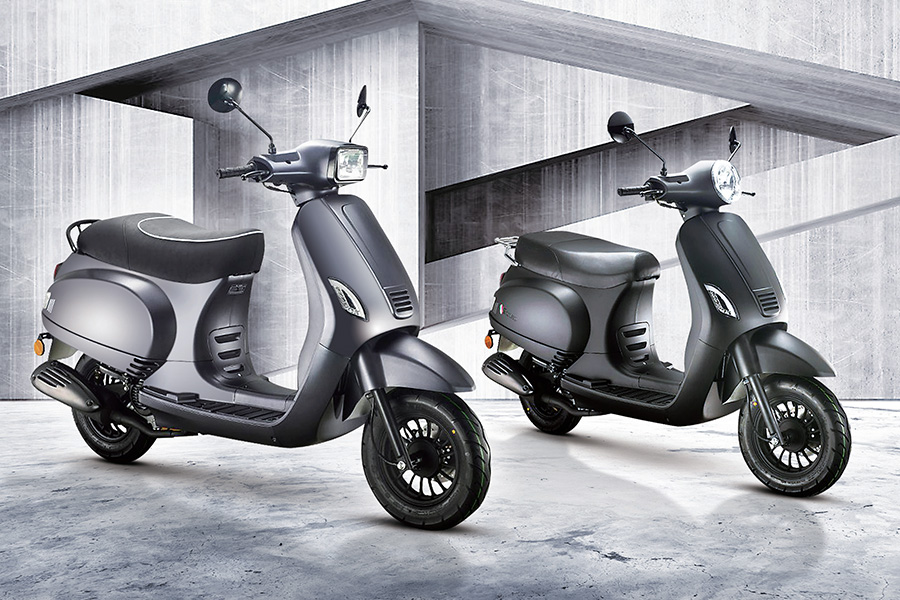
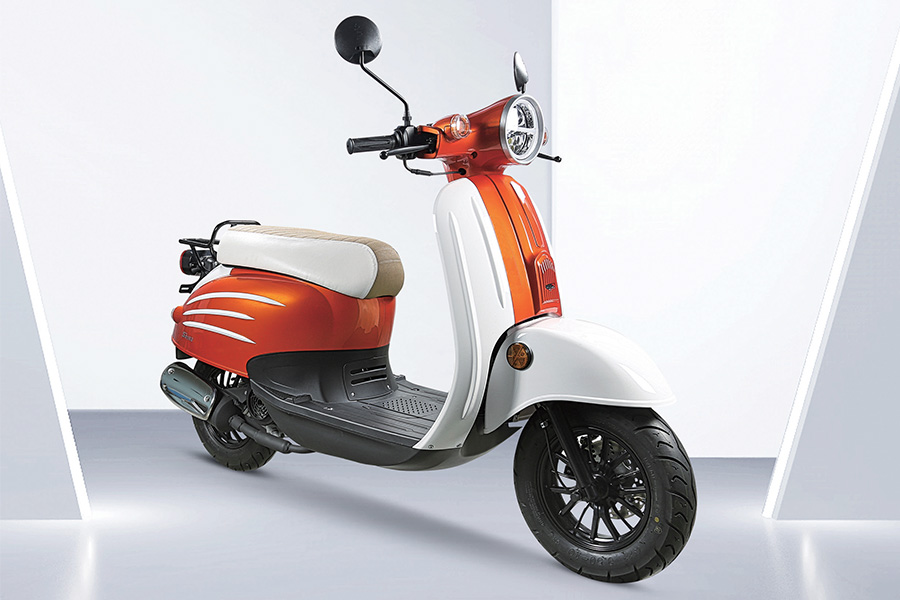
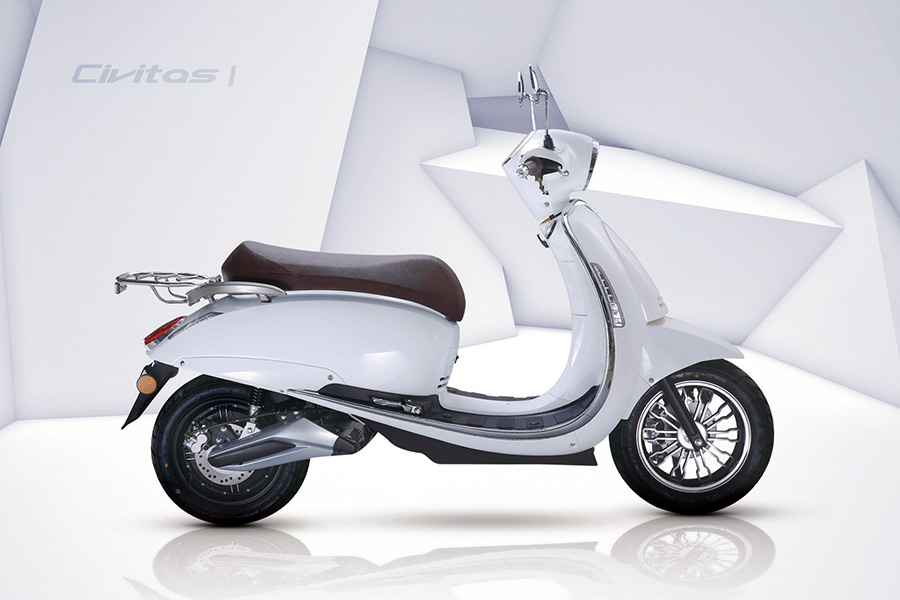
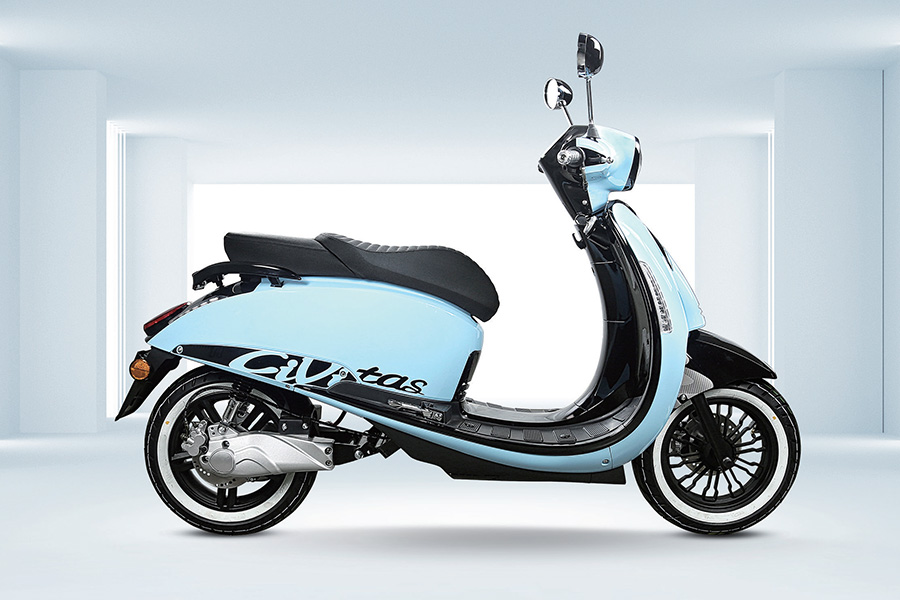
阿拉伯语Gasoline mopeds remain a popular mode of transportation, especially in many urban and suburban areas. While electric alternatives are gaining attention, gasoline mopeds continue to serve as a practical and affordable solution for short-distance commuting, delivery services, and recreational use. These vehicles, powered by internal combustion engines, have been a staple in personal mobility for decades, offering a reliable and efficient means of travel.
Despite growing environmental concerns and the rise of electric vehicles, gasoline mopeds still hold several advantages over their electric counterparts. One of the significant benefits is their ability to cover longer distances without the need for frequent recharging. While electric mopeds may need to be plugged in after a few hours of use, gasoline mopeds can travel much further on a single tank of fuel, making them a preferred option for those who need to travel longer distances or who live in areas with limited charging infrastructure. This extended range is particularly valuable in rural areas or regions where charging stations are not readily available, providing convenience and flexibility for users.
Another key advantage of gasoline mopeds is their established infrastructure. Gas stations are widely available, and refueling a gasoline moped is a quick and straightforward process. In contrast, electric vehicles, including mopeds, still face challenges related to charging station availability and long recharge times. Gasoline mopeds also typically offer a more consistent range of performance, particularly in areas where the weather conditions or terrain might affect the performance of electric scooters and mopeds.
In addition to convenience and range, gasoline mopeds are often less expensive upfront compared to their electric counterparts. The lower initial purchase price of a gasoline moped makes it a more accessible option for many riders, especially those who need an affordable and reliable form of transportation for daily use. Maintenance costs are also relatively low, as gasoline mopeds generally require fewer specialized parts and repair services than electric models, which may require battery replacements and software updates over time.
However, gasoline mopeds are not without their drawbacks. One of the prominent concerns is their environmental impact. Gasoline-powered engines emit pollutants, including carbon dioxide and nitrogen oxides, which contribute to air pollution and climate change. In many cities, the push for cleaner, greener transportation alternatives has prompted the shift towards electric vehicles, as they produce no tailpipe emissions. Despite the environmental challenges, gasoline mopeds are still considered a practical option in regions where electric vehicle infrastructure is lacking or where the cost of electric alternatives remains prohibitive.
Gasoline mopeds continue to be a common choice for many riders around the world. They are particularly popular in developing countries and regions where access to electric vehicles is limited or the cost of entry remains high. For these areas, gasoline mopeds provide an affordable and reliable option for personal transportation. Their widespread availability, low upfront costs, and simple maintenance requirements make them a practical solution for individuals seeking an economical way to navigate daily commuting or small business deliveries.
Transportation needs change, and cities around the world pursue sustainability, gasoline mopeds are likely to stay a part of the global transportation landscape for the foreseeable future. They may eventually coexist alongside electric vehicles, offering a broader range of options for consumers based on individual needs, budget, and environmental considerations.