

 俄语
俄语 西班牙语
西班牙语 阿拉伯语
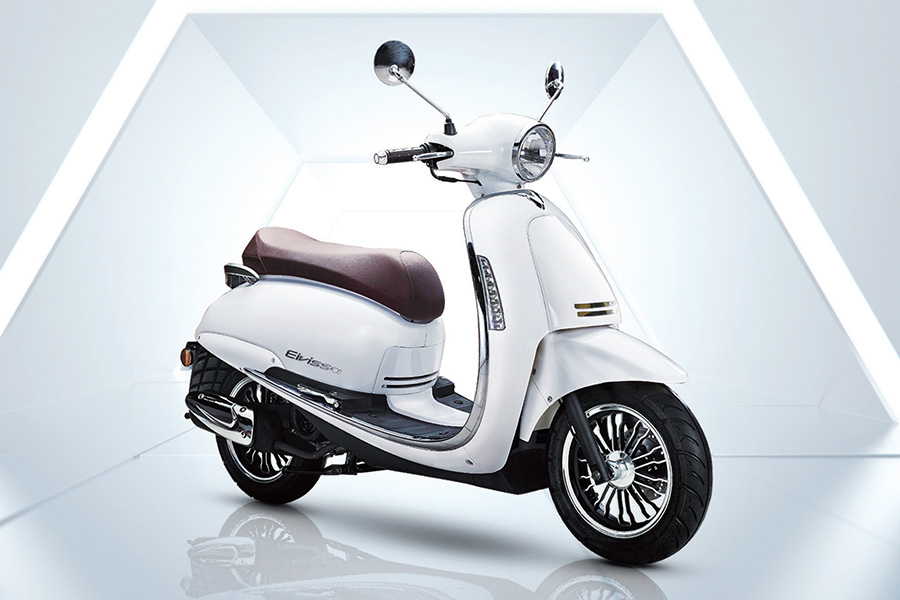
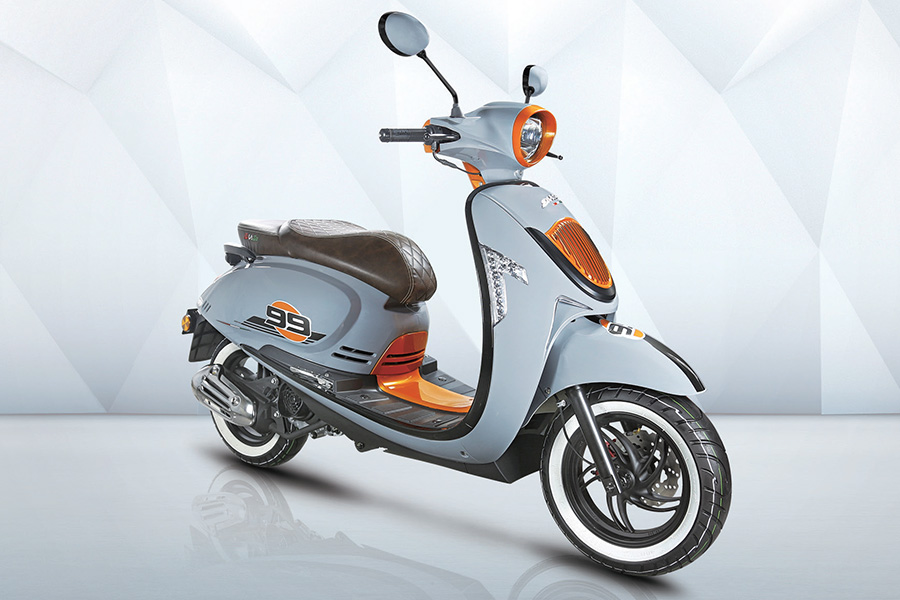
阿拉伯语Unlike traditional motorcycles or bicycles, electric mopeds provide a balance between speed, convenience, and environmental friendliness, creating an appealing option for city residents who want to avoid traffic congestion. Electric mopeds are lightweight and compact, which allows riders to maneuver through narrow streets and crowded areas with greater ease than cars or larger motor vehicles.
Battery technology plays a central role in the appeal of electric mopeds. Modern lithium-ion batteries provide sufficient range for daily commutes, typically between twenty to sixty miles on a single charge depending on the model and riding style. Charging these batteries can often be done overnight at home, similar to charging a smartphone, which adds to the convenience. Public charging stations are also gradually increasing in urban areas, making longer trips possible without significant interruptions.
Another important factor contributing to the popularity of electric mopeds is the quietness of operation. Unlike gasoline-powered vehicles, electric motors produce minimal noise, which reduces urban noise pollution and creates a calmer environment for residents. Riders also enjoy a smoother acceleration experience, as electric motors provide instant torque without the vibration and engine noise commonly associated with traditional engines.
Maintenance requirements for electric mopeds are relatively low. Without components such as clutches, spark plugs, or oil systems, these vehicles reduce the time and cost associated with regular maintenance. Fewer moving parts can translate to longer vehicle lifespan, provided that batteries are properly cared for. Many models also include regenerative braking systems, which convert some of the energy from braking back into battery charge, further extending efficiency and performance.
Electric mopeds have been embraced by diverse groups, from students navigating campus areas to professionals commuting in downtown districts. Shared electric moped programs are increasingly available in major cities, allowing individuals to rent vehicles on-demand. These programs provide a flexible solution for those who do not want to own a vehicle but need convenient transportation options. Safety features such as LED lighting, anti-lock brakes, and sturdy frame designs have been integrated into many electric moped models, ensuring riders can navigate city streets with confidence.
Affordability is another dimension contributing to the rising interest in electric mopeds. Initial costs are often lower than purchasing a car, and ongoing expenses are reduced due to electricity costs being cheaper than gasoline. Riders can also take advantage of incentives in certain regions, including reduced registration fees or tax credits, which make these vehicles even more accessible.
Environmental considerations continue to be a driving factor for many users. Electric mopeds do not produce exhaust emissions, which can help reduce air pollution in densely populated areas. Cities aiming to meet sustainability targets are increasingly supportive of electric mobility solutions, providing a favorable environment for electric moped adoption.
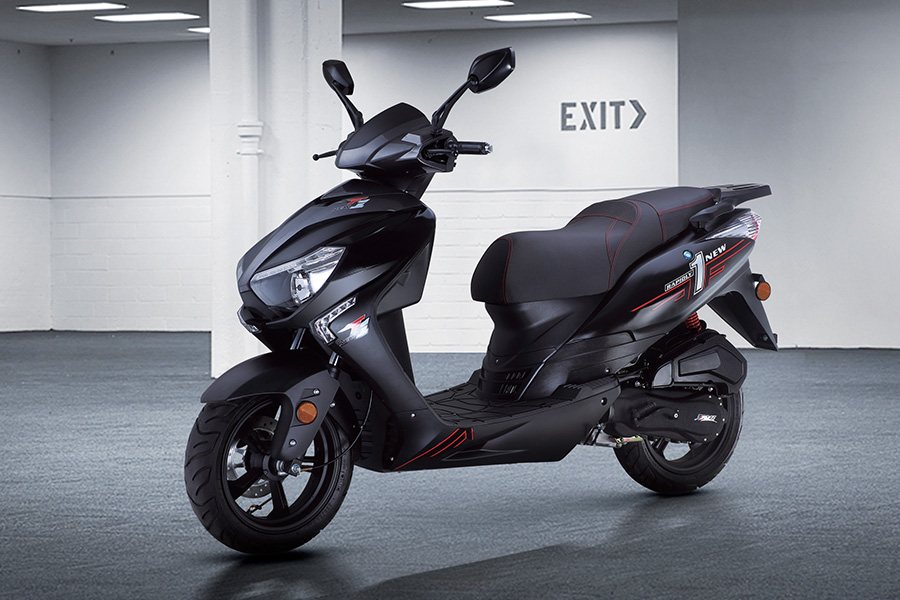
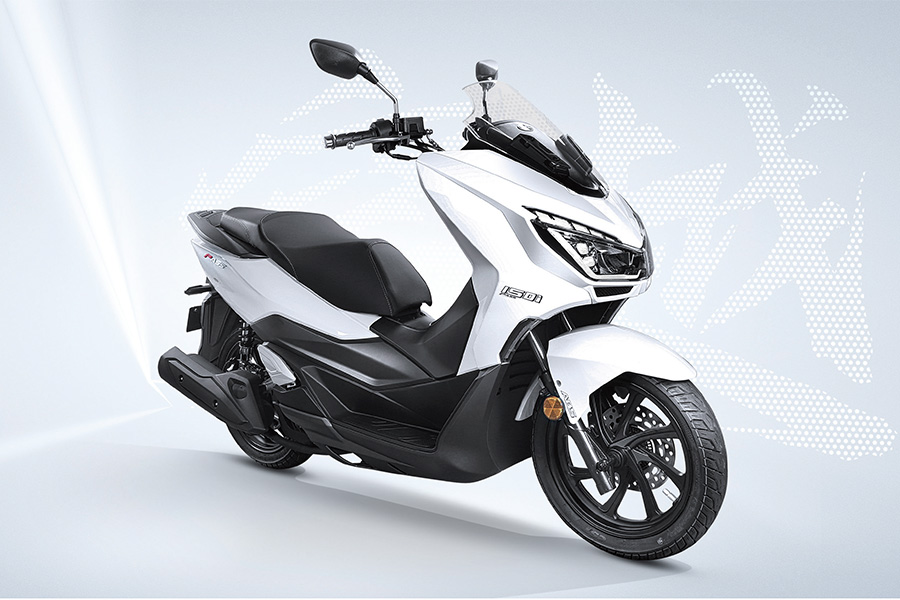
Riding experience varies depending on model specifications. Some electric mopeds are designed for comfortable cruising with extended battery range, while others emphasize sportier performance for quick trips around town. Accessories such as storage compartments, mobile device holders, and weather protection can enhance usability for daily commuting needs. Riders also appreciate the simplicity of operation, often requiring minimal training or licensing compared with larger motorized vehicles.
Technology integration plays a role in user convenience. Some electric mopeds come equipped with digital displays, smartphone connectivity, GPS navigation, and security systems that enhance both safety and convenience. Apps allow riders to monitor battery levels, locate charging points, and track travel history.
Despite many advantages, electric mopeds do face challenges. Battery degradation over time can reduce performance, and adverse weather conditions such as heavy rain or very cold weather may impact riding experience. Range limitations may require careful planning for longer trips. However, ongoing advancements in battery technology, design, and urban infrastructure are steadily addressing these concerns.