

 俄语
俄语 西班牙语
西班牙语 阿拉伯语
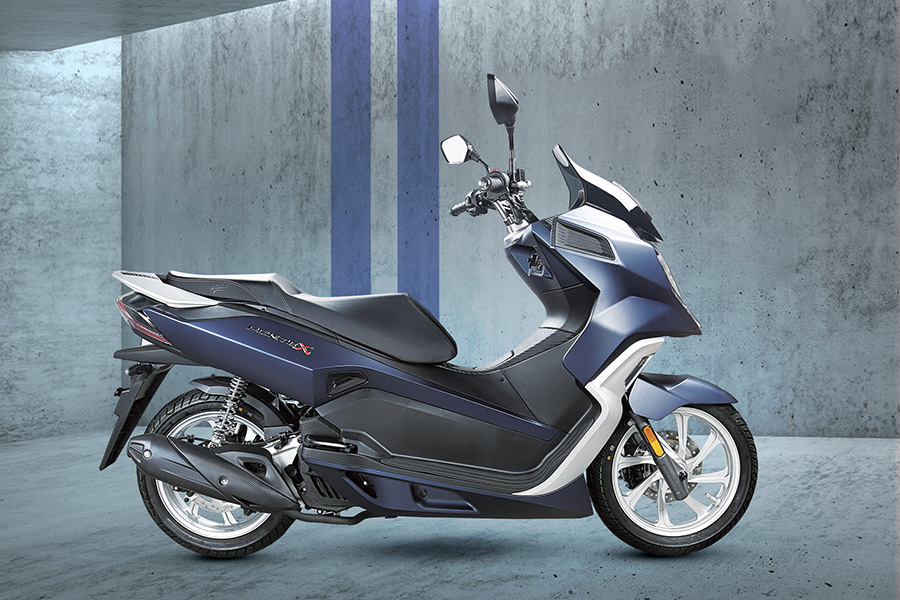
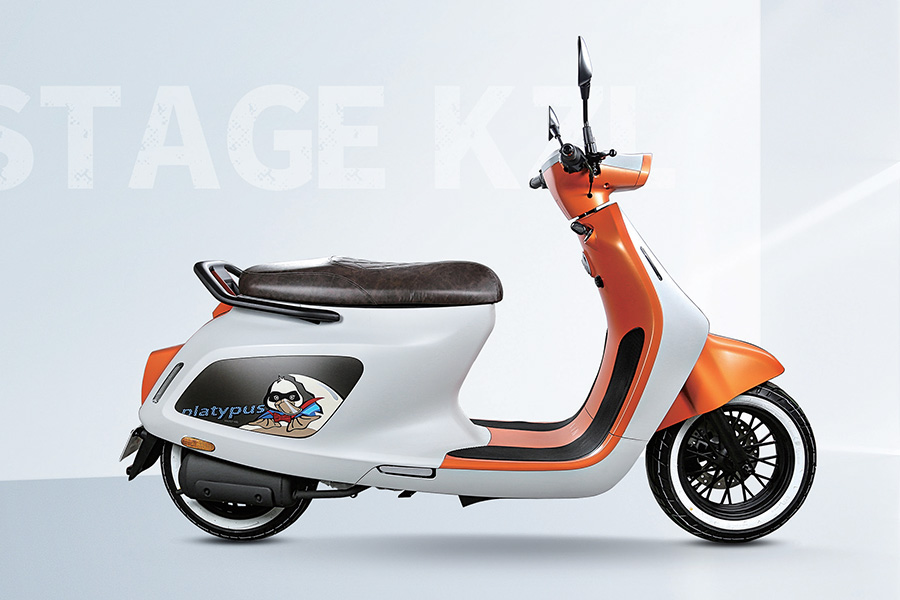
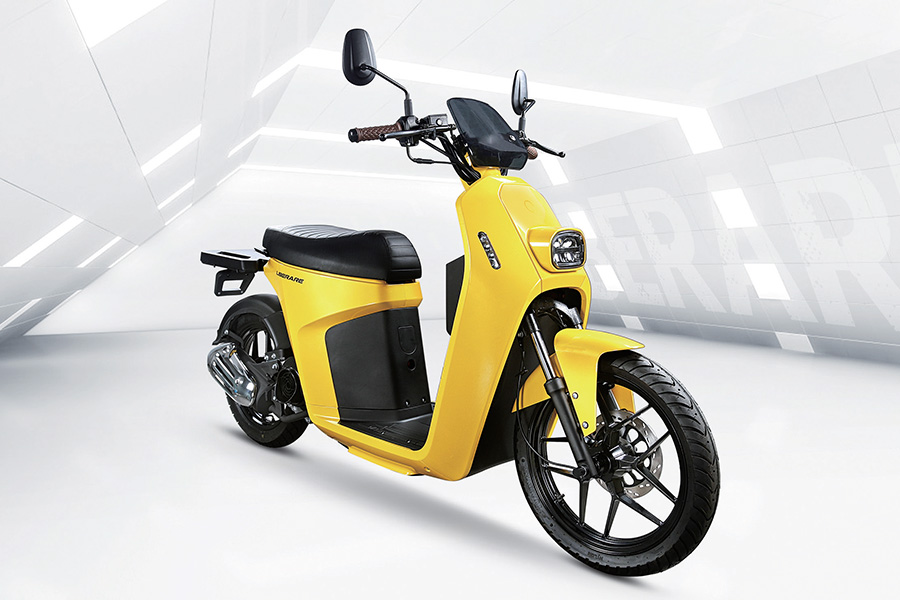
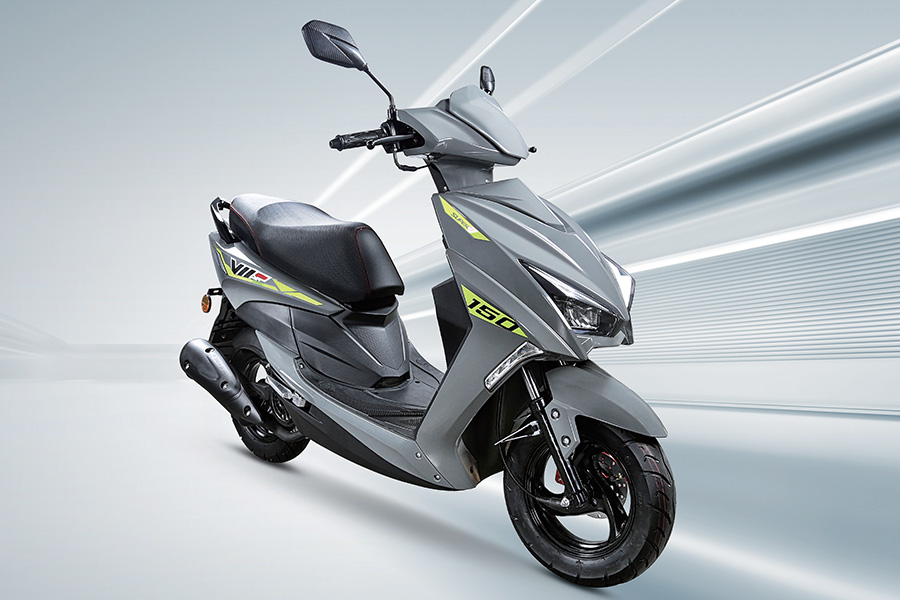
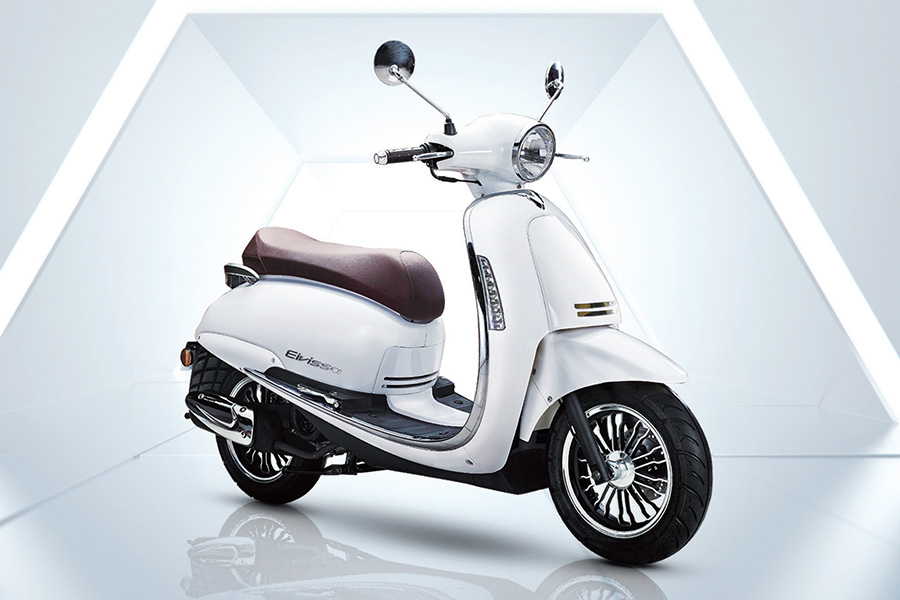
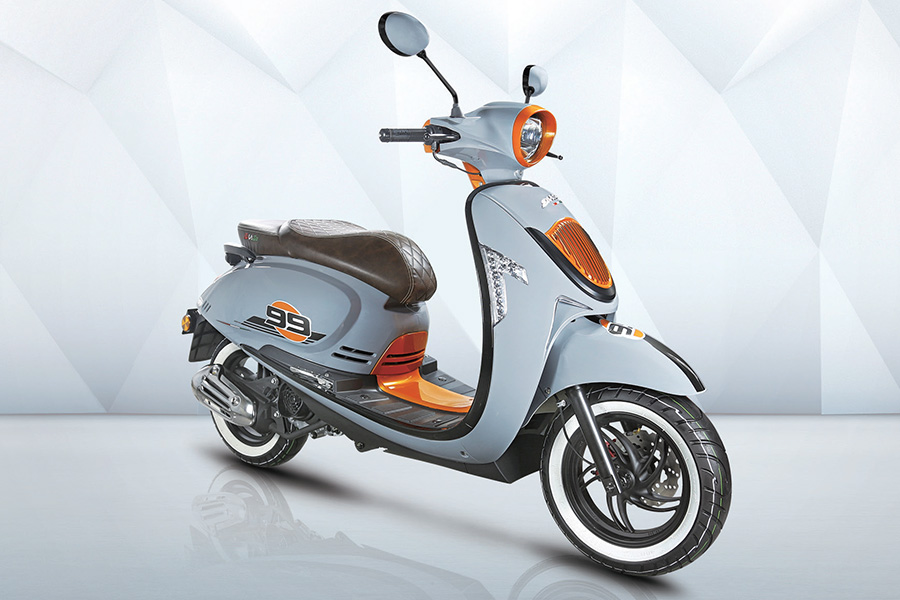
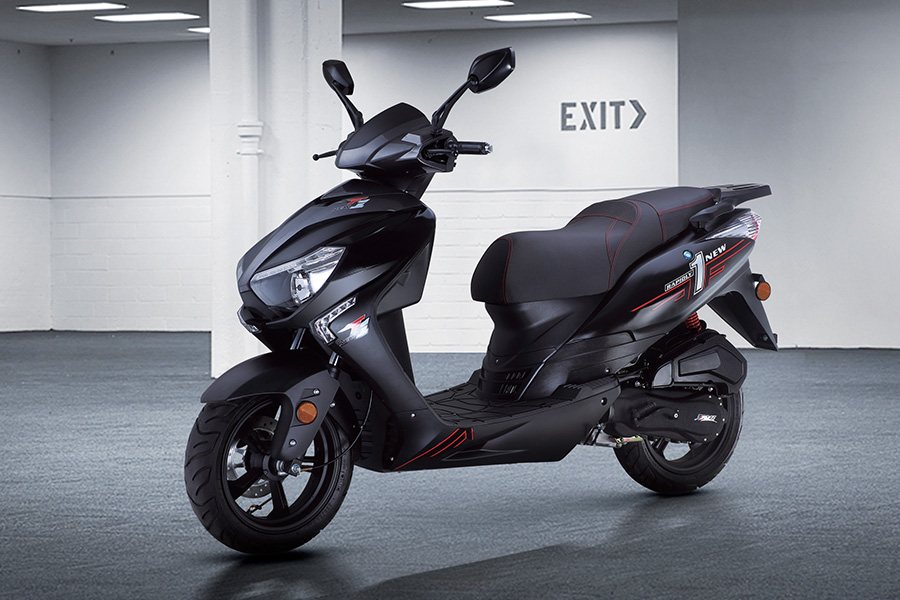
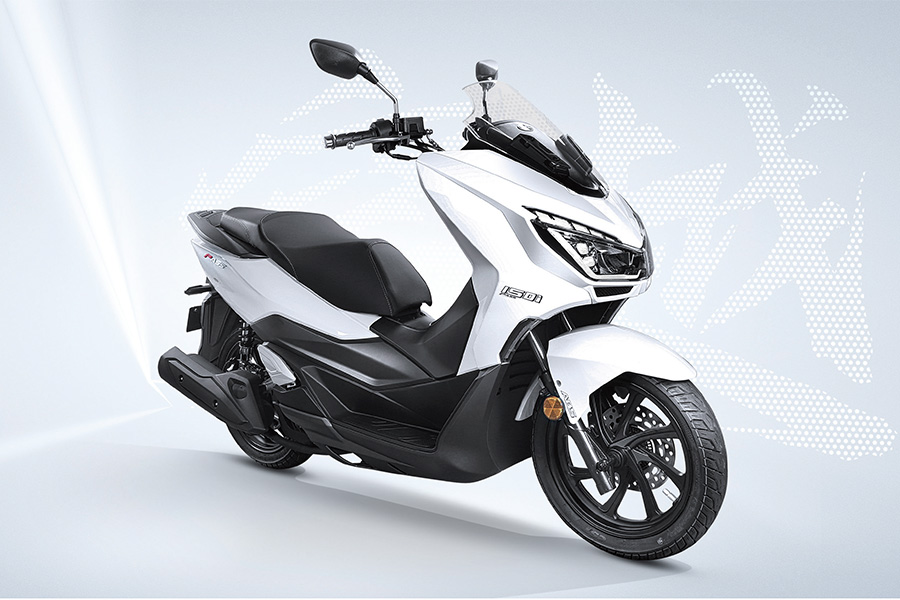
阿拉伯语Gasoline scooters have been a staple of urban mobility for decades, providing an accessible option for short-distance travel. Compact and nimble, these scooters allow riders to navigate traffic efficiently while keeping fuel costs relatively low compared to larger vehicles. Gasoline scooters have maintained a presence in cities worldwide due to their balance of affordability, reliability, and convenience.
Fuel efficiency is a key aspect of gasoline scooters. Many models consume only a small fraction of the fuel a car requires, making them a practical choice for daily commuting or short trips around town. Riders often find that refueling can be done in minutes at readily available gas stations, offering a convenience that electric alternatives may not always match.
Versatility is another strength of gasoline scooters. Models range from basic commuter scooters to designs offering enhanced comfort and storage options. Scooters can easily carry groceries, personal items, or small packages, making them useful for both leisure and functional travel. Some scooters are designed to handle small hills or longer distances, while others focus on lightweight, compact design for dense urban environments.
Maintenance remains an important consideration for gasoline scooter owners. Regular oil changes, spark plug inspections, and engine tune-ups are essential to maintain performance and extend the life of the scooter. While this maintenance may be more involved than with electric alternatives, riders often appreciate the mechanical familiarity and ease of service available at many repair shops. Parts and expertise for gasoline scooters are widely available, which makes servicing straightforward in urban areas.
Noise and vibration are natural characteristics of gasoline scooters. While quieter than motorcycles, scooters still generate engine sound, which can contribute to urban noise. Some riders enjoy this auditory feedback as part of the riding experience, providing a sense of control and connection with the vehicle. Engine responsiveness is immediate, giving riders confidence in acceleration and maneuvering through traffic.
Accessibility is another factor contributing to the continued use of gasoline scooters. Licensing requirements are generally less stringent than those for motorcycles, allowing a broader range of individuals to ride legally. This accessibility makes scooters popular among younger commuters, students, and professionals who need a convenient and economical transport option. Safety features such as mirrors, brake lights, and stable frame design are standard on modern scooters, helping riders navigate traffic safely.
Cost considerations are important for prospective buyers. Gasoline scooters are often available at a range of price points, making them accessible to a wide demographic. Ongoing expenses such as fuel and routine maintenance remain predictable and manageable for users. Insurance costs are generally lower than for cars or motorcycles, further enhancing affordability.
Urban planners and mobility services continue to recognize the role gasoline scooters play in transportation networks. Scooter-sharing programs in certain cities include gasoline-powered models alongside electric options, providing flexibility for users. Riders enjoy the freedom of mobility that scooters provide without the parking and storage challenges associated with larger vehicles.
Daily riding experiences vary depending on the scooter model and urban environment. Some riders favor scooters for commuting to work or school, while others use them for errands or social trips. Comfort features such as cushioned seats, storage compartments, and suspension systems can enhance the experience, making scooters a practical choice for city life.
In conclusion, gasoline scooters continue to occupy a place in urban mobility due to their practicality, versatility, and affordability. While electric alternatives are gaining traction, gasoline scooters offer a familiar and reliable option for short-distance travel. Riders benefit from convenient refueling, accessible maintenance, and an engaging riding experience that combines flexibility with efficiency.