

 俄语
俄语 西班牙语
西班牙语 阿拉伯语
阿拉伯语Introduction to Gasoline Scooters
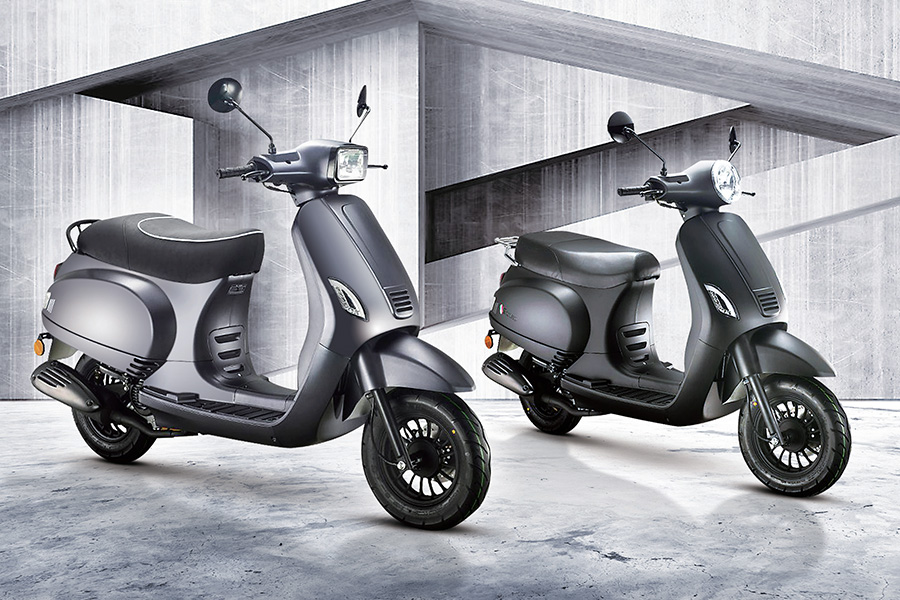
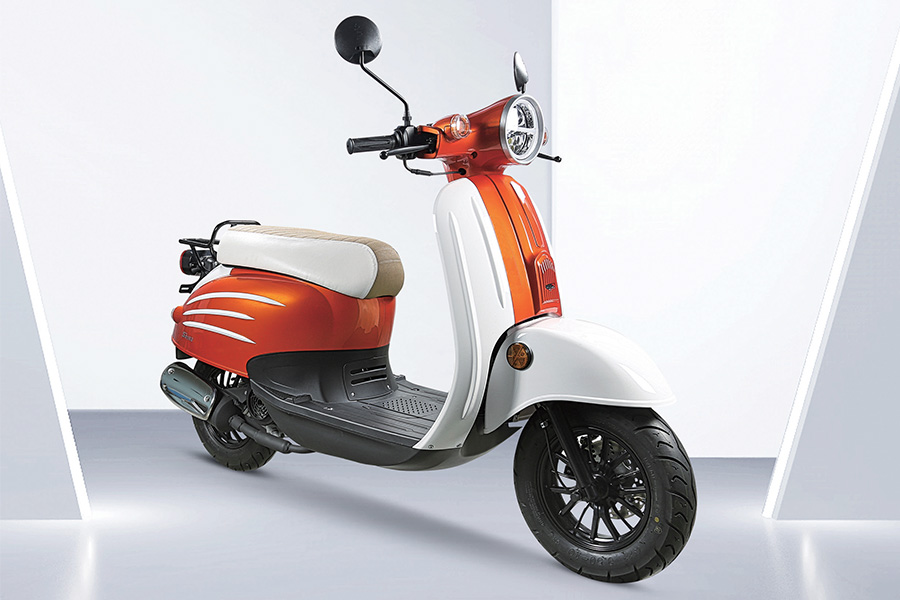
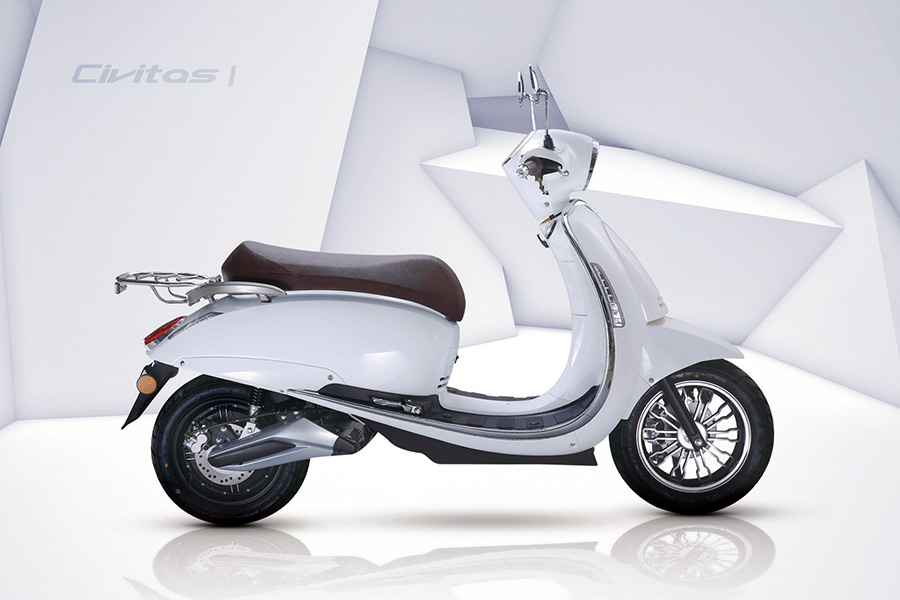
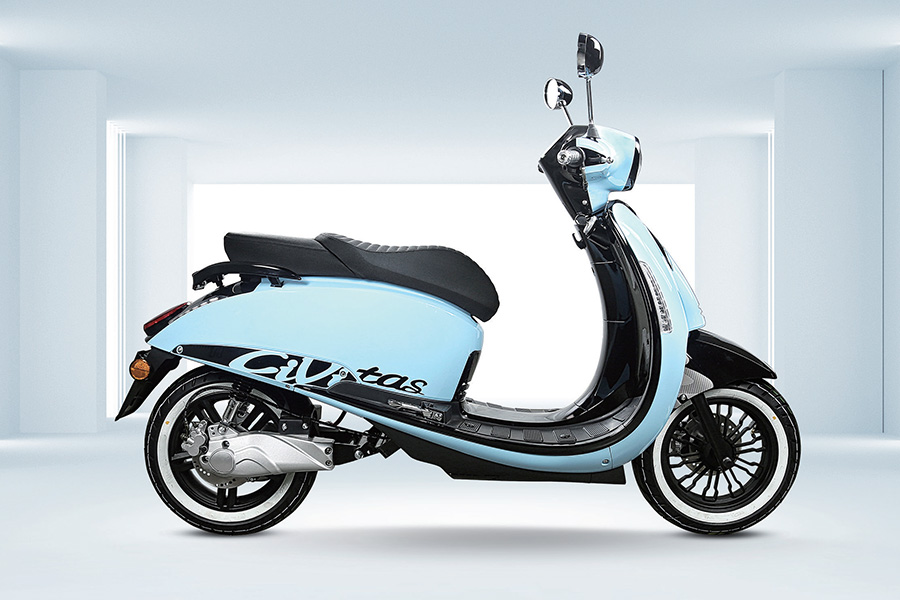
Gasoline scooters continue to be a practical choice for urban travel, offering riders an efficient way to navigate busy streets. These vehicles are powered by small internal combustion engines, which allow for extended travel distances without frequent stops for fuel. Commuters, students, and delivery personnel often select gasoline scooters because they combine mobility, reliability, and simplicity. The quiet hum of the engine and the ease of maneuvering through traffic have made gasoline scooters an enduring presence in many cities. Their compact size also allows riders to park in limited spaces, adding to their convenience. Many riders are drawn to the independence that a gasoline scooter provides, allowing them to plan their day without depending on public transport schedules or crowded vehicles.
Design and Performance
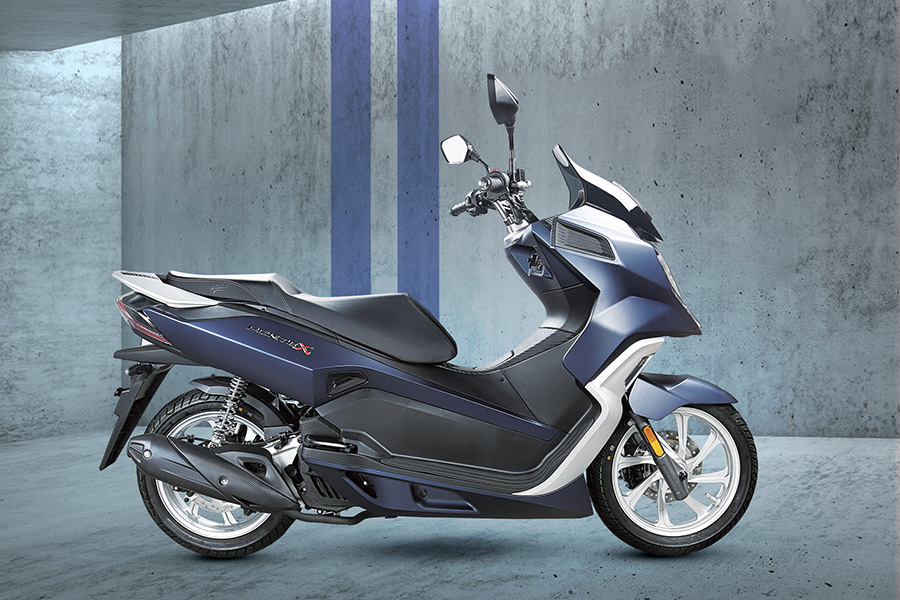
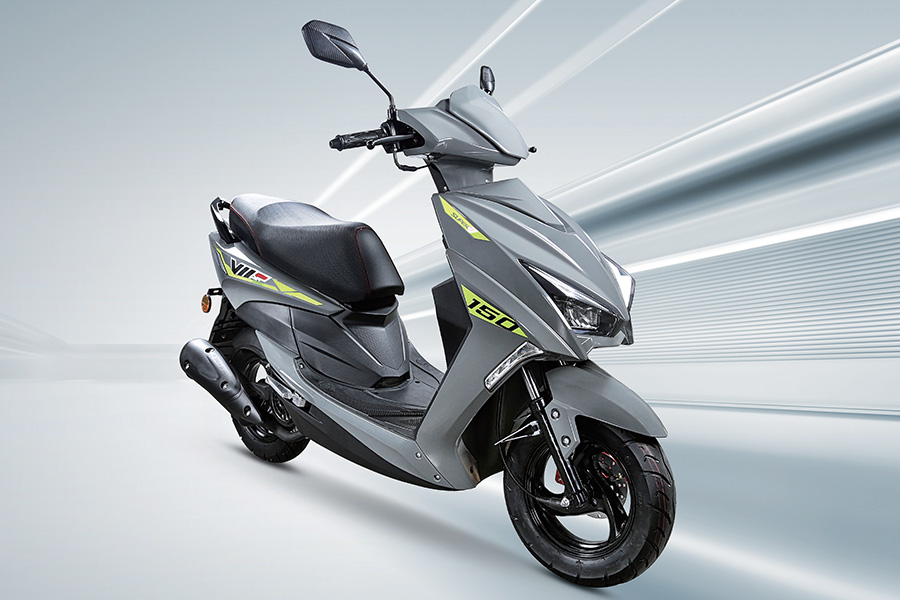
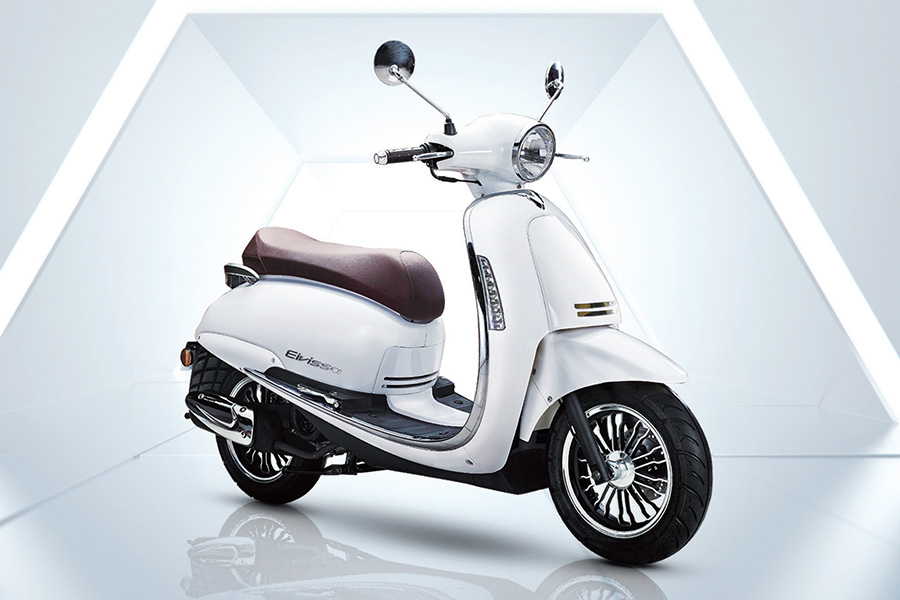
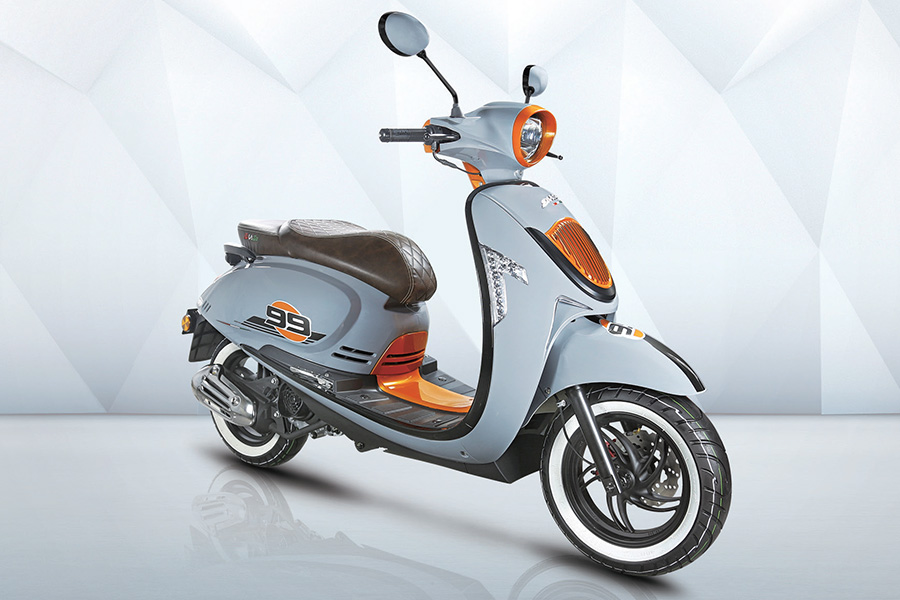
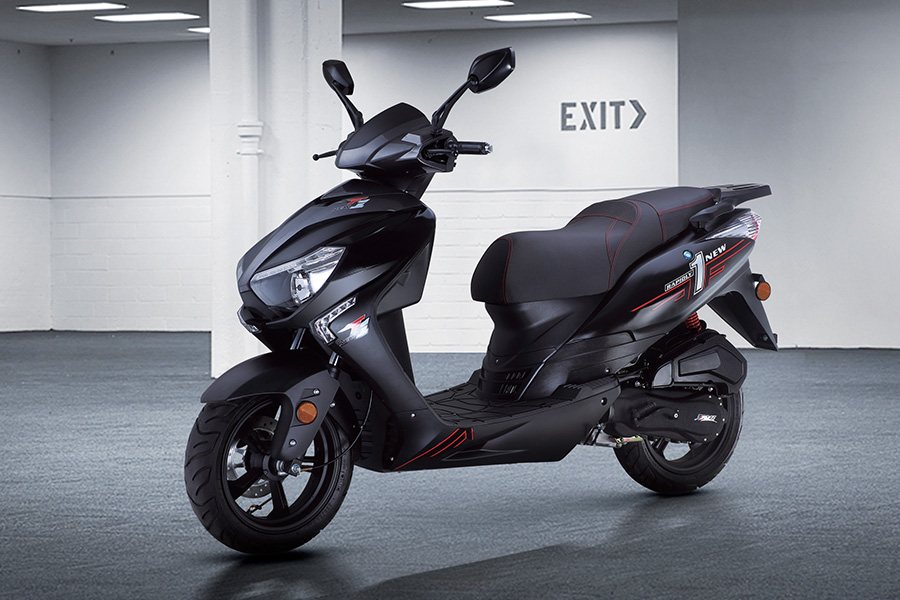
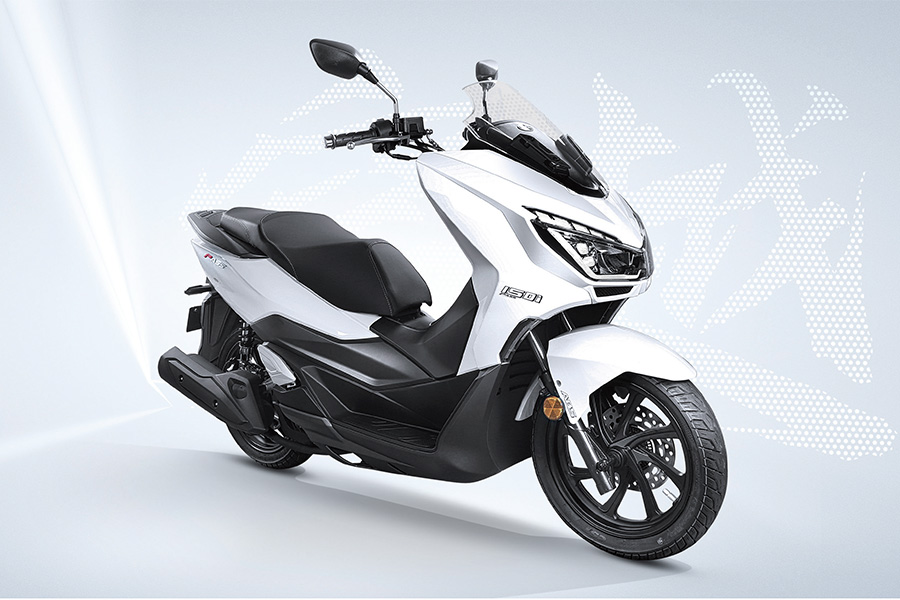
Modern gasoline scooters feature lightweight frames, ergonomic seating, and fuel-efficient engines. Many models include storage compartments, allowing riders to carry personal belongings, shopping items, or work materials. The engines are designed to offer smooth acceleration and steady power, making them suitable for both short errands and daily commutes. Controls are intuitive, which allows riders with minimal experience to operate scooters safely. Some scooters also feature digital panels to monitor fuel levels, speed, and maintenance reminders, enhancing convenience and user experience. Manufacturers have developed designs that emphasize durability and low maintenance, which appeals to riders seeking a long-lasting and dependable vehicle. Accessories such as phone mounts, windshields, and protective covers further improve the riding experience, demonstrating how gasoline scooters combine practicality with comfort.
Safety and Traffic Integration
Safety is an important aspect of gasoline scooter use. Helmets, reflective clothing, and adherence to traffic regulations reduce risks for riders. Cities have implemented measures to integrate scooters into urban traffic, including designated lanes and clear signage. Education campaigns encourage safe riding practices, such as observing speed limits and maintaining the vehicle properly. Riders are also advised to use caution in crowded areas and at intersections, where accidents are more likely. Technology, such as smartphone apps and GPS navigation, helps riders find routes while remaining aware of traffic conditions, improving overall safety. Regular maintenance, such as checking brakes, lights, and tire pressure, ensures that gasoline scooters remain reliable and reduces the chance of accidents. Community initiatives also encourage cooperation among riders, pedestrians, and drivers, fostering a safer and more organized urban environment.
Economic and Environmental Considerations
Gasoline scooters offer an economical form of transportation compared to cars. Their lower purchase price, reduced fuel consumption, and minimal maintenance make them accessible to a wide range of users. Local businesses, particularly delivery services, benefit from gasoline scooters, which enable timely and efficient operations. While gasoline engines emit more pollutants than electric alternatives, smaller scooters generally produce fewer emissions than larger vehicles. Regular maintenance, careful riding, and efficient fueling habits help reduce environmental impact. In many urban areas, gasoline scooters contribute to easing traffic congestion by replacing short car trips. For individuals, gasoline scooters also save both time and money, providing freedom from parking difficulties and traffic delays. Socially, they support local mobility, allowing people to travel easily between neighborhoods, markets, and workplaces.
Gasoline scooters remain a versatile and widely used mode of transport. Their combination of convenience, performance, and practical design makes them a preferred option for city commuters. By maintaining safety, observing traffic rules, and using fuel efficiently, riders can enjoy a smooth, dependable experience. Gasoline scooters continue to illustrate how simple mechanical design and thoughtful urban integration provide meaningful solutions to the everyday challenges of city travel.