

 俄语
俄语 西班牙语
西班牙语 阿拉伯语
阿拉伯语Electric mopeds have been popping up more and more on city streets, college campuses, and suburban neighborhoods. Compact, easy to handle, and quieter than traditional gas-powered options, these two-wheelers offer a different way to get around for short to medium trips. As more riders look for alternatives to cars and bicycles, understanding how electric mopeds work and what sets them apart can help make sense of their growing presence.
What Exactly Is an Electric Moped?
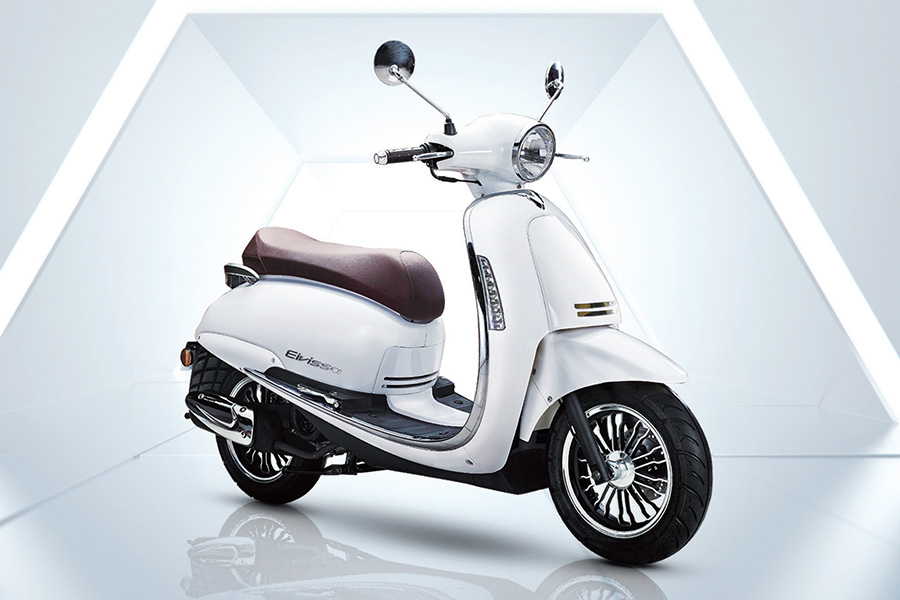
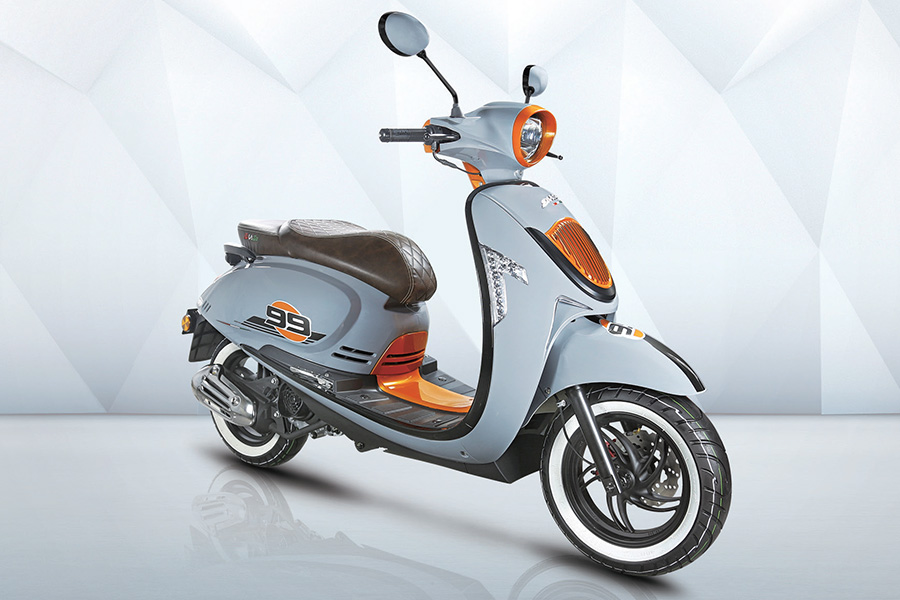
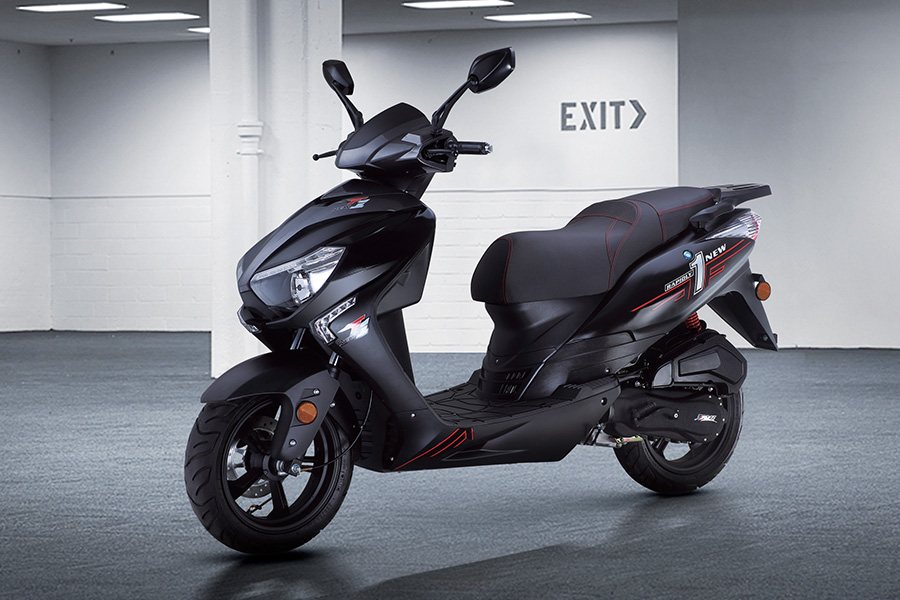
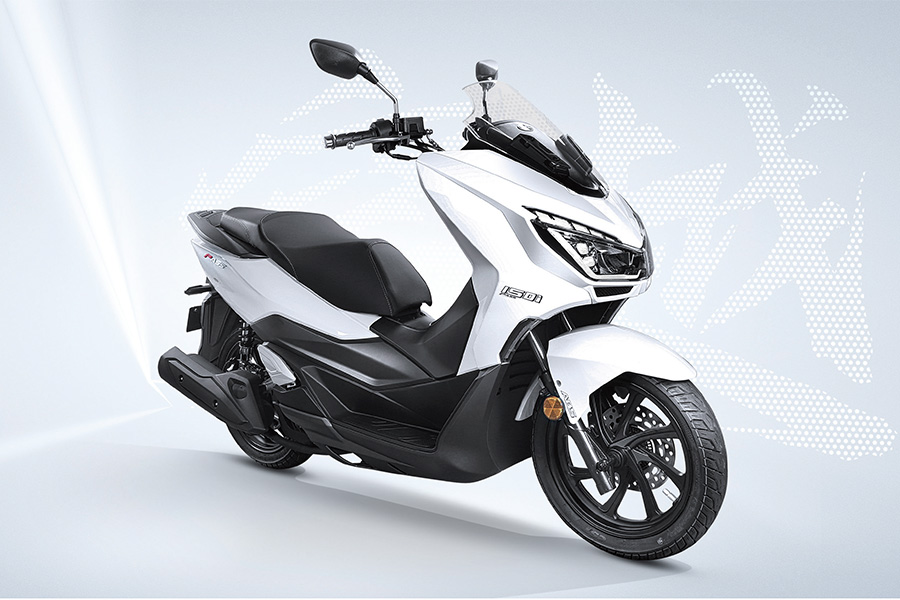
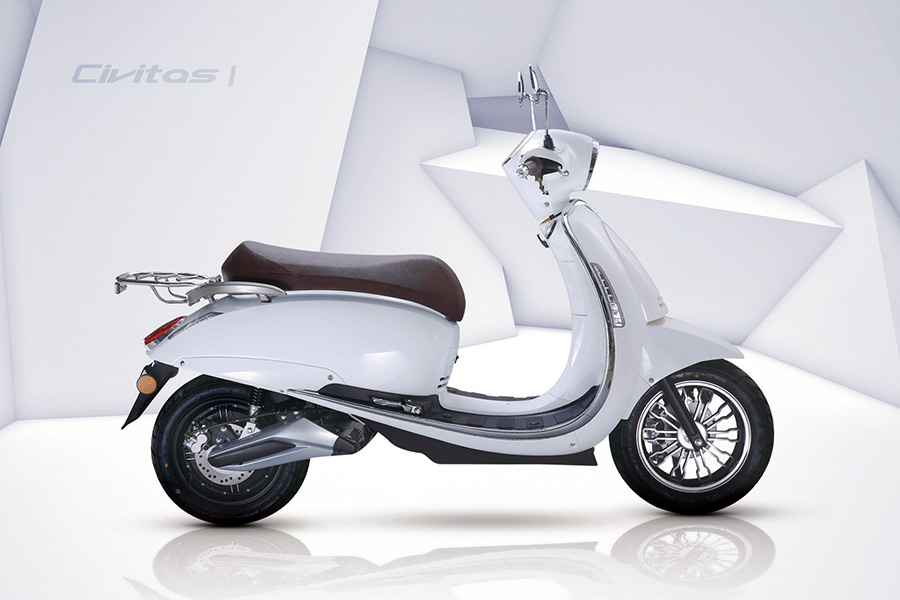
An electric moped is a small, motorized two-wheeled vehicle powered by a rechargeable battery instead of gasoline. Unlike full-size electric motorcycles, mopeds are generally lighter, smaller, and designed for lower speeds, making them well suited for short commutes, errands, and neighborhood rides. They typically fall somewhere between electric bicycles and electric scooters in terms of size and power, offering a bit more structure and stability than a bike while remaining easier to handle than a larger motorcycle.
How Do Electric Mopeds Work?
At the core of an electric moped is a battery-powered motor that drives the rear wheel, replacing the engine and fuel tank found in traditional mopeds. Riders typically control speed with a throttle, similar to a scooter, rather than shifting gears. Charging usually happens by plugging the moped into a standard outlet, with the battery either built into the frame or removable for charging indoors.
Common Features Found on Electric Mopeds
While designs vary between models, many electric mopeds share a similar set of features:
- A digital display showing speed, battery level, and riding mode
- Multiple riding modes for adjusting speed and power output
- Storage space under the seat or on a rear rack
- Turn signals, headlights, and mirrors for road use
- A kickstand and step-through frame for easy mounting
These features make electric mopeds feel closer to a lightweight motorcycle than a basic bicycle, while still keeping the overall experience simple.
Why Are Riders Choosing Electric Mopeds?
Several practical reasons explain why electric mopeds have found a steady audience:
- They require less physical effort compared to pedal-powered alternatives
- Charging tends to be simpler and cheaper than refueling a gas-powered vehicle
- Their compact size makes parking and maneuvering through traffic easier
- Riding is generally quieter, which many people notice right away in city settings
For short daily commutes or quick trips around town, these qualities make electric mopeds an appealing option compared to driving a car or riding a traditional gas moped.
Comparing Electric Mopeds to Other Two-Wheelers
It's easy to lump electric mopeds in with e-bikes or electric scooters, but there are some real differences. Electric mopeds usually have a sturdier frame, larger wheels, and higher speed capability than e-bikes, while offering seating and control layouts closer to a small motorcycle. Compared to electric scooters, mopeds tend to feel more stable at higher speeds and often include more storage space. Riders choosing between these options usually weigh factors like speed needs, comfort, and how far they plan to travel.
Everyday Uses Beyond Commuting
While commuting is a common use case, electric mopeds show up in other parts of daily life as well:
- Running quick errands like grocery trips or picking up food
- Getting around large campuses or business parks
- Serving as a secondary vehicle for short local trips
- Offering an alternative for delivery-style work in urban areas
This flexibility helps explain why electric mopeds continue to show up in more driveways, garages, and parking racks across different types of communities, appealing to a wide range of everyday riders with different routines and travel habits.