

 俄语
俄语 西班牙语
西班牙语 阿拉伯语
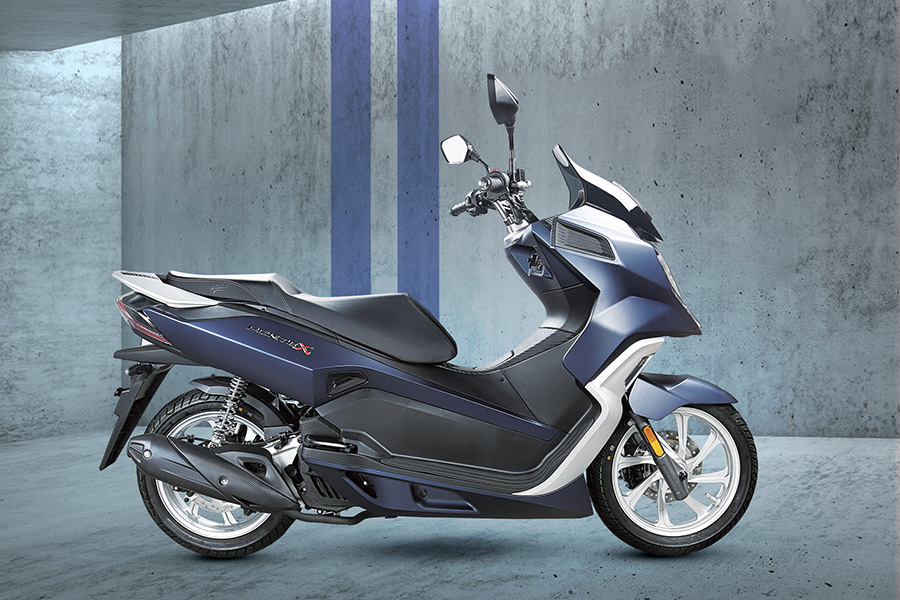
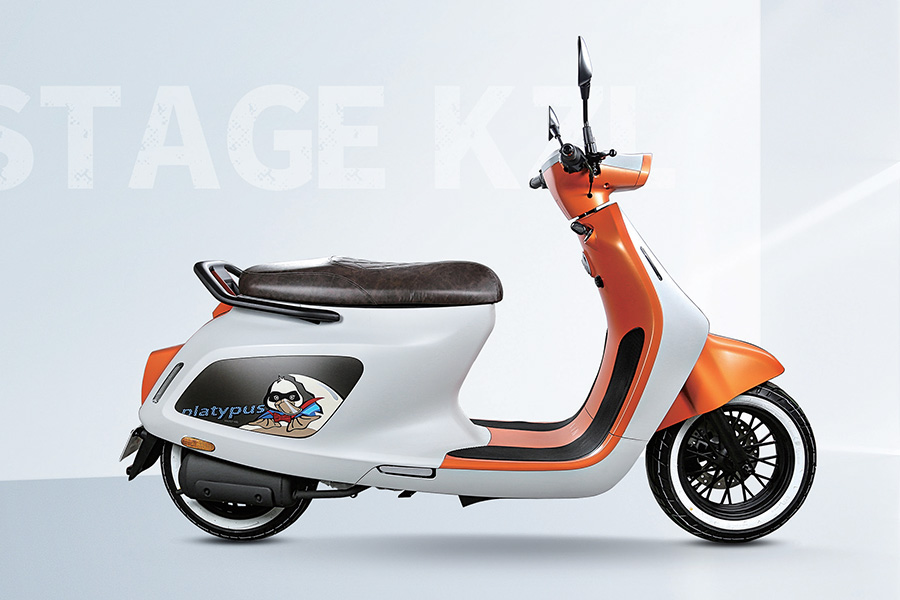
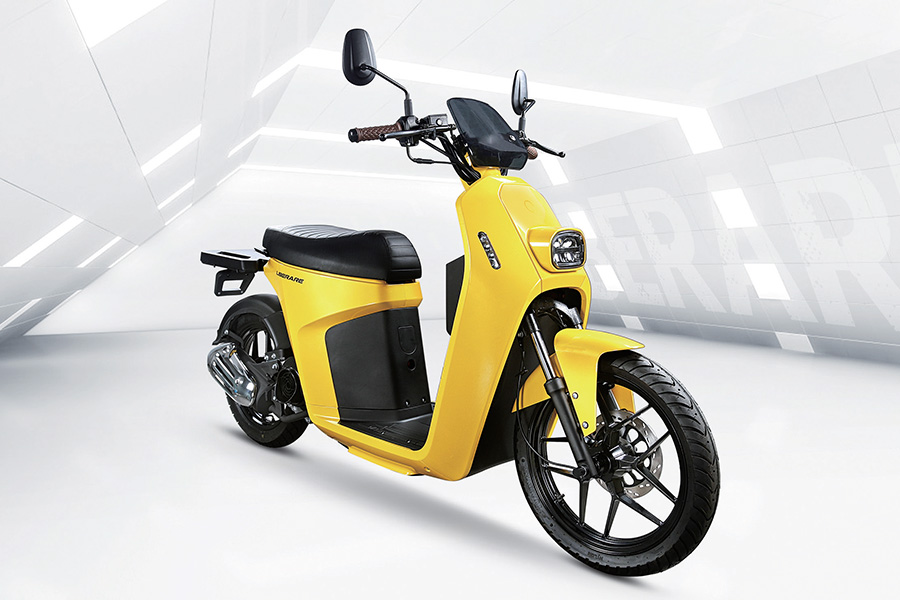
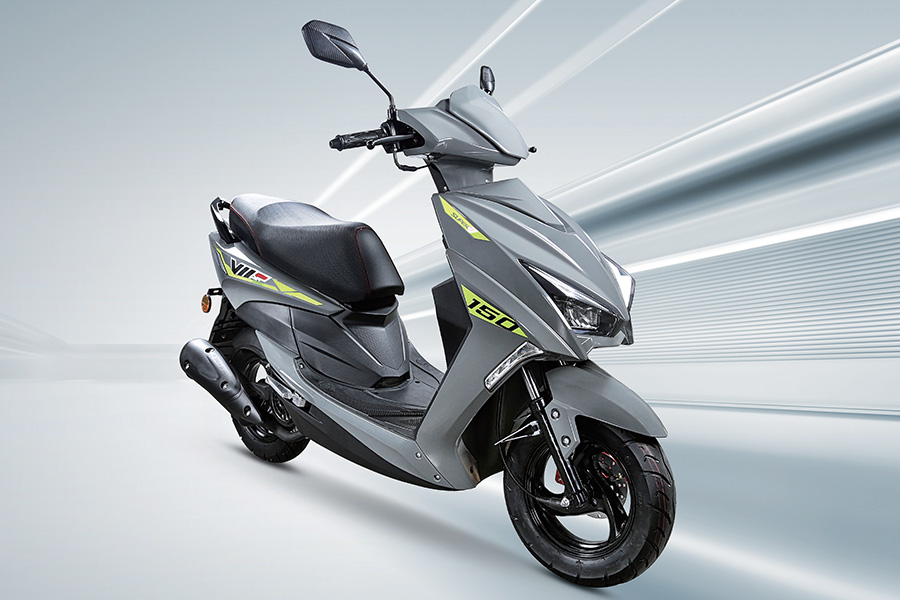
阿拉伯语Scooter Street describes the growing habit of using compact scooters to move along city paths and neighborhood roads. Riders hop on these light vehicles for short distances, weaving past slower traffic and reaching destinations without the need for larger vehicles. The smooth glide and upright stance make the experience feel free and direct.
Common Situations for Scooter Street Travel
Morning and evening rushes often see scooters rolling along sidewalks and bike lanes. A person heading to a nearby office or café can cover several blocks in a few minutes. Students traveling between campus buildings also rely on scooters to keep schedules on track. The compact size lets riders park close to entrances and avoid long walks from distant lots.
Weekend outings bring another use. Friends meeting at a park or market can ride side by side, chatting as they go. Tourists exploring a new district find scooters helpful for covering more ground while still noticing street details. The quiet movement allows riders to stop easily when something interesting appears.
Design Elements That Support Street Riding
Street-focused scooters usually feature a wide deck that gives both feet a stable platform. Handlebars sit at a comfortable height and often include simple controls for speed and brakes. Larger wheels handle small cracks and uneven pavement better than tiny ones. Some models add a small basket or hook for a bag or water bottle.
Folding frames appear on many designs. Riders can collapse the scooter and carry it onto a bus or train when the route requires mixed travel. Solid construction keeps the scooter steady during turns and stops. These details help the vehicle feel reliable across different street surfaces.
Ways Scooter Street Fits Daily Routines
Commuters often combine scooter rides with other forms of transport. A short scooter stretch from home to a transit stop shortens the overall trip. After work, the same scooter carries the rider to a grocery store or gym. The ability to start and stop quickly suits errands that involve multiple nearby locations.
Groups also enjoy scooter street outings. A family can ride together along a quiet path, with adults setting a steady pace and children following. Colleagues might meet for a lunch ride to a nearby restaurant. The shared activity adds a light and active element to ordinary plans.
Practical Approaches to Riding and Parking
Choosing clear paths keeps rides smooth. Riders often prefer dedicated lanes or quieter side streets when available. Checking the surface ahead helps avoid sudden bumps. Maintaining a moderate speed gives enough time to react to pedestrians or turning vehicles.
Parking is usually simple. Many scooters stand upright on a built-in kickstand, taking little space near a wall or bike rack. Locking the frame to a fixed object adds security during longer stops. Keeping personal items secured on the scooter or in a bag prevents them from shifting during movement.
Simple Habits That Enhance the Experience
Storing the scooter in an easy-to-reach spot, such as a hallway or garage, encourages regular use. A quick visual check of the wheels and brakes before each ride confirms everything is ready. Carrying a small foldable bag allows riders to pick up light purchases without extra planning.
Scooter Street offers a practical way to handle short urban distances. From daily work trips to casual weekend explorations, these vehicles help people move with ease and stay connected to the streets around them. Their compact form and straightforward operation explain why more riders add them to their regular travel options.