

 俄语
俄语 西班牙语
西班牙语 阿拉伯语
阿拉伯语Small motorized vehicles continue to attract attention from riders looking for a practical way to handle short-distance travel. Among these options, Gasoline Mopeds occupy an interesting position between traditional bicycles and larger motorcycles. Their compact dimensions, gasoline-powered engines, and relatively simple operating layout make them suitable for various daily transportation needs.
Compact Design Fits Everyday Streets
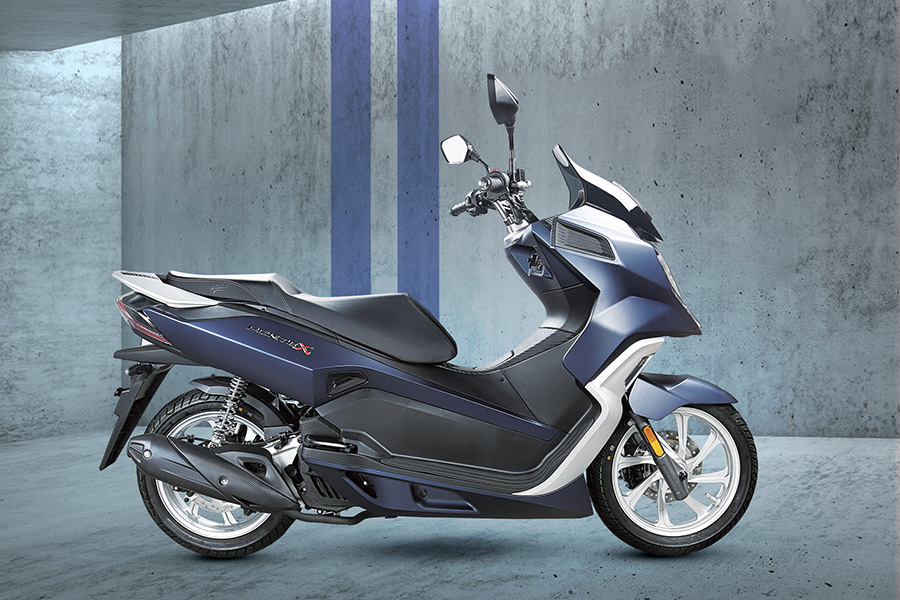
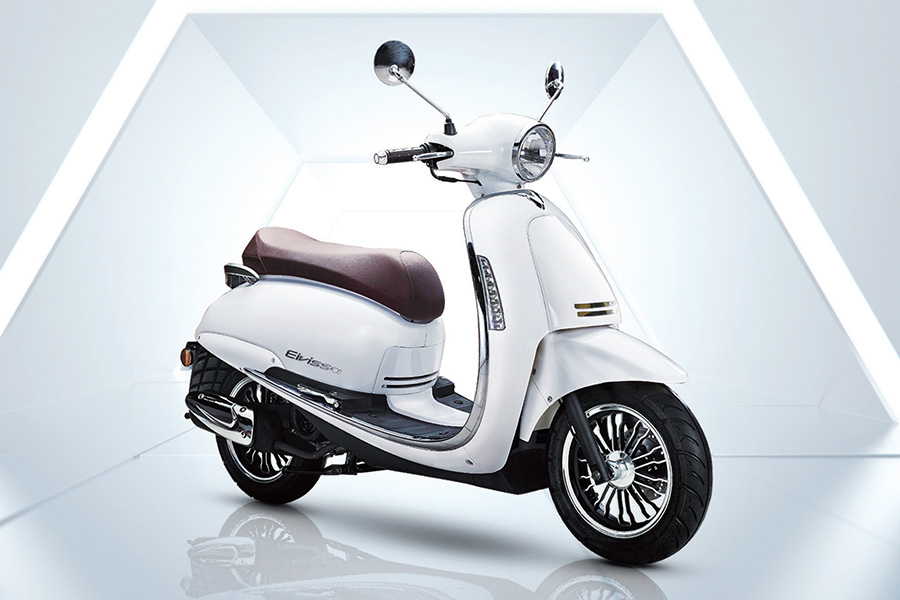
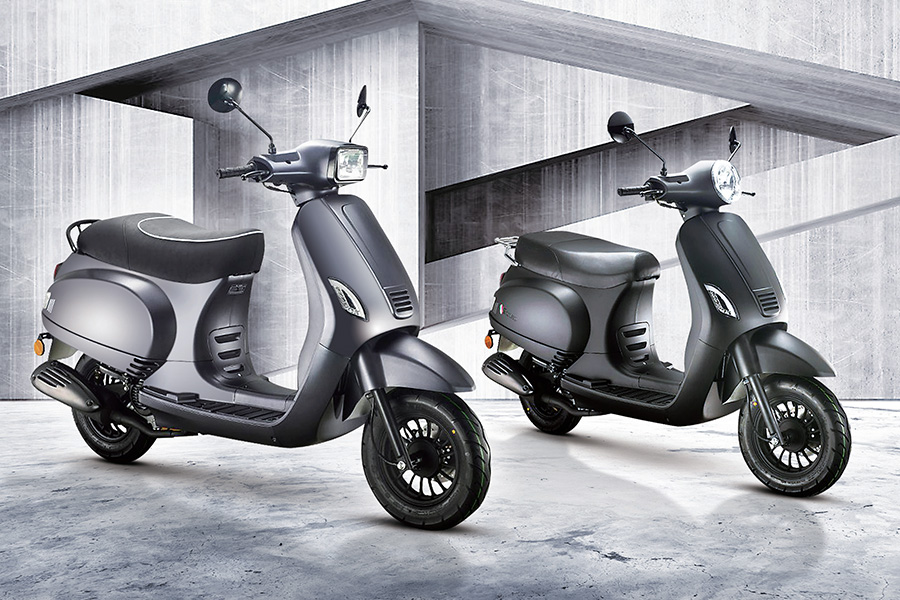
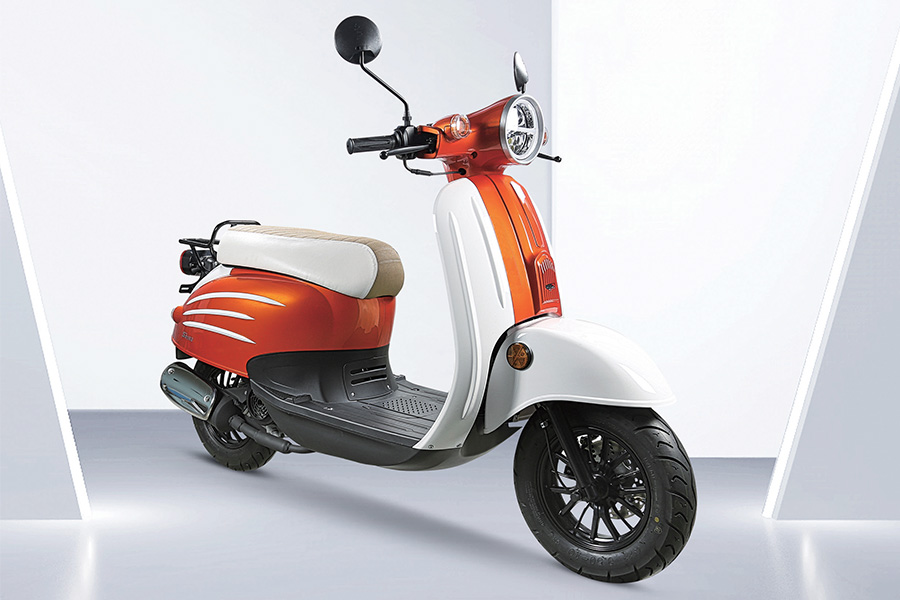
One noticeable feature of Gasoline Mopeds is their compact construction. A smaller frame can make the vehicle easier to position in narrow streets and crowded parking areas.
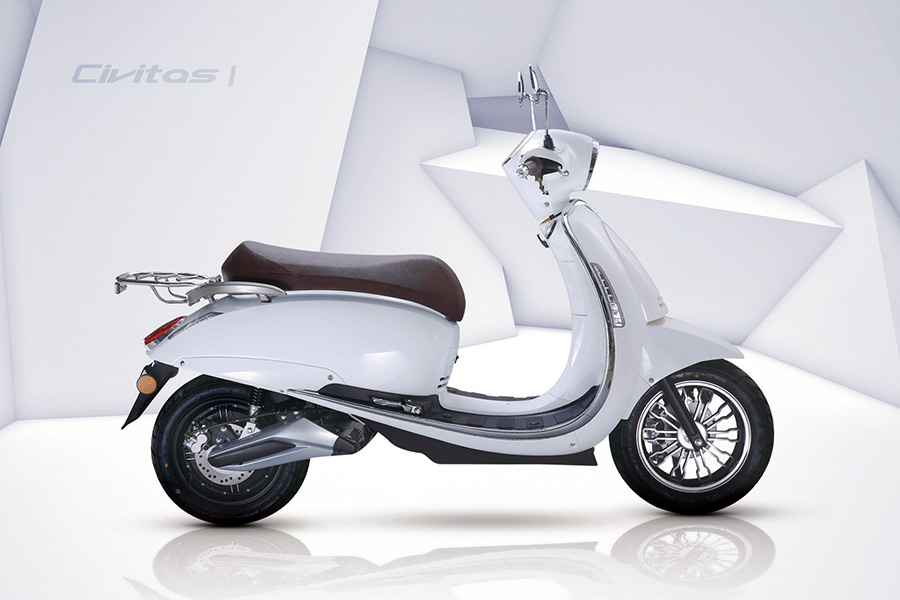
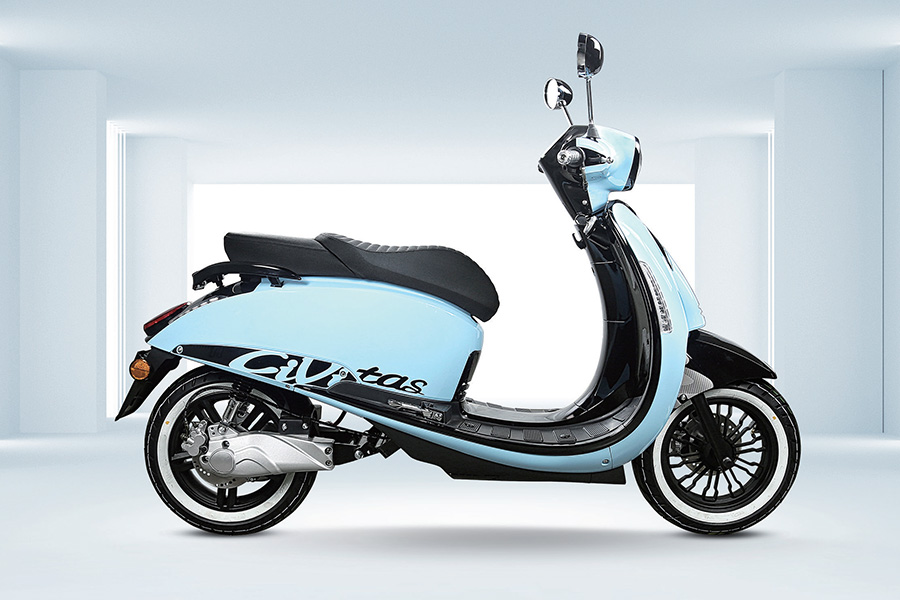
The frame normally supports the engine, fuel tank, seat, wheels, and other mechanical components. Designers can adjust the wheel size, seat height, handlebar position, and frame shape to create different riding characteristics.
For riders using a moped for short trips, the overall dimensions can influence how easily the vehicle moves through busy areas and how convenient it is to park after reaching a destination.
Gasoline Engines Define the Riding Experience
The engine is the central power source of Gasoline Mopeds. Compared with pedal-assisted models, a gasoline engine provides propulsion through fuel combustion rather than relying on electric assistance.
Engine displacement can vary between models, allowing manufacturers to develop mopeds for different riding requirements. The engine connects with the drivetrain, transferring power to the rear wheel through a suitable transmission or drive system.
The arrangement of the engine and related components also affects the vehicle's weight distribution. This can influence handling and overall riding characteristics.
Fuel Capacity Supports Trip Planning
A fuel tank is another important component of Gasoline Mopeds. Tank size can vary according to the vehicle's design and intended use.
A compact tank can help reduce the amount of space occupied by the fuel system, while a larger tank can support longer riding intervals. The position of the tank also contributes to the overall layout of the moped.
For manufacturers, balancing fuel capacity, frame dimensions, and component placement is part of developing a practical vehicle configuration.
Different Components Work Together
A moped is made up of several interconnected systems rather than a single mechanical unit. The engine provides power, while the transmission transfers that power toward the driven wheel.
The braking system controls deceleration, while the suspension helps manage movement between the wheels and frame. Tires provide contact with the road surface, and the steering system allows the rider to control direction.
For Gasoline Mopeds, the relationship between these components influences handling, acceleration response, and riding comfort.
Seating and Controls Affect Usability
The seating arrangement can make a noticeable difference in everyday riding. A longer seat may provide additional room, while a more compact seat can contribute to a smaller overall design.
Handlebars carry controls for functions such as acceleration and braking. Their width and height can influence the rider's posture and steering response.
Manufacturers may also incorporate different instrument layouts, lighting arrangements, storage areas, and footrest positions to create distinct versions of Gasoline Mopeds.
Suitable for More Than Commuting
Although commuting is a common application, Gasoline Mopeds can also be used for neighborhood errands, local deliveries, recreational rides, and short-distance transportation.
Their smaller form can make them convenient for trips where a larger motorcycle or car may feel unnecessary. At the same time, the gasoline engine gives the vehicle a mechanical character that distinguishes it from battery-powered alternatives.
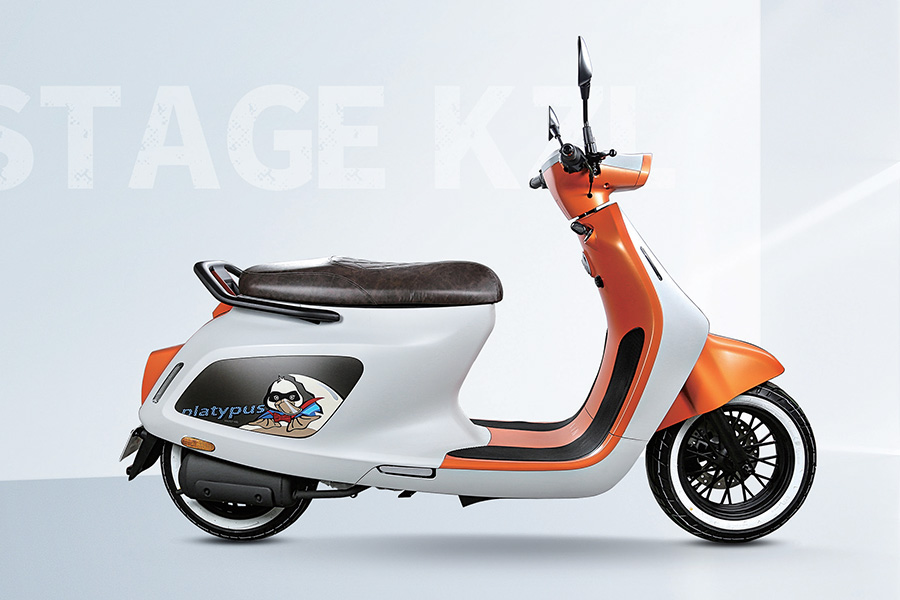
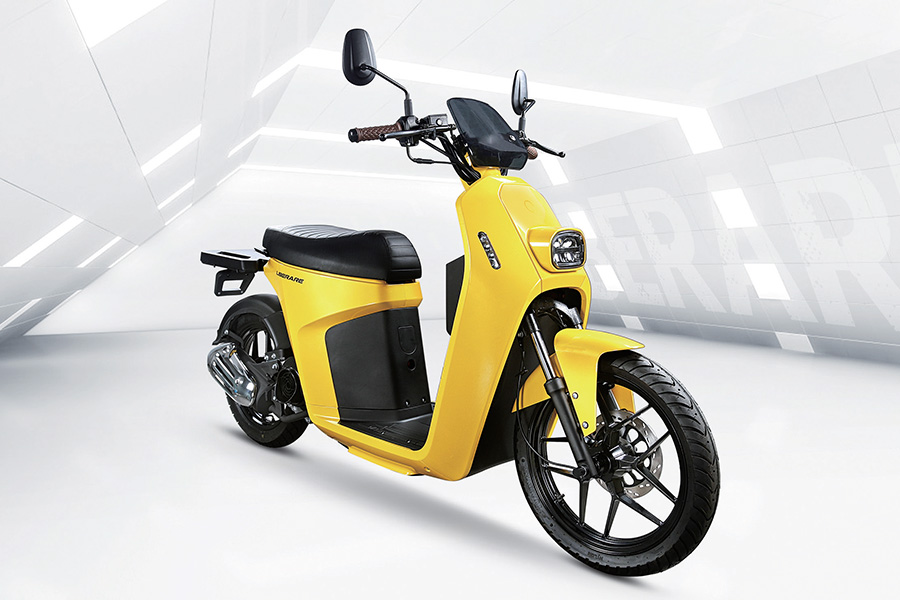
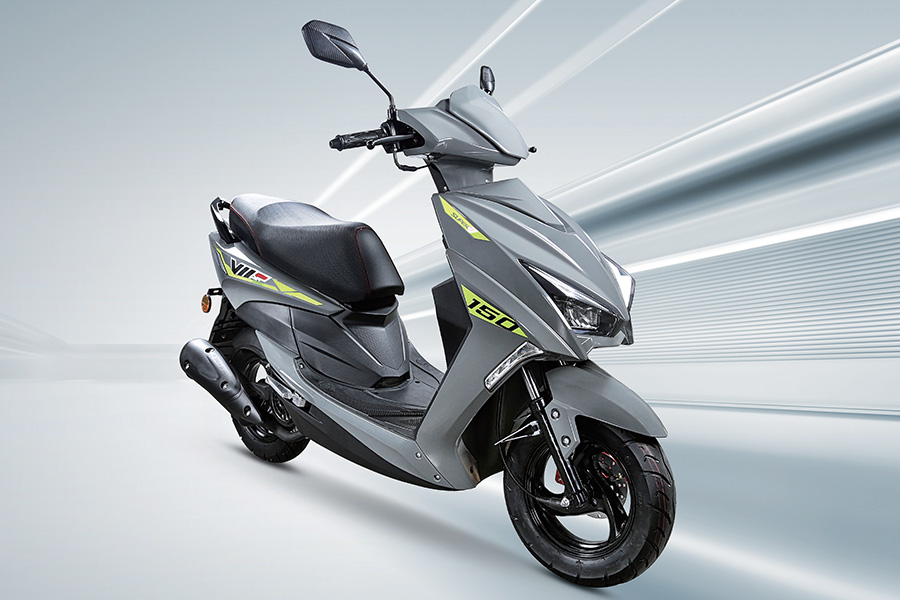
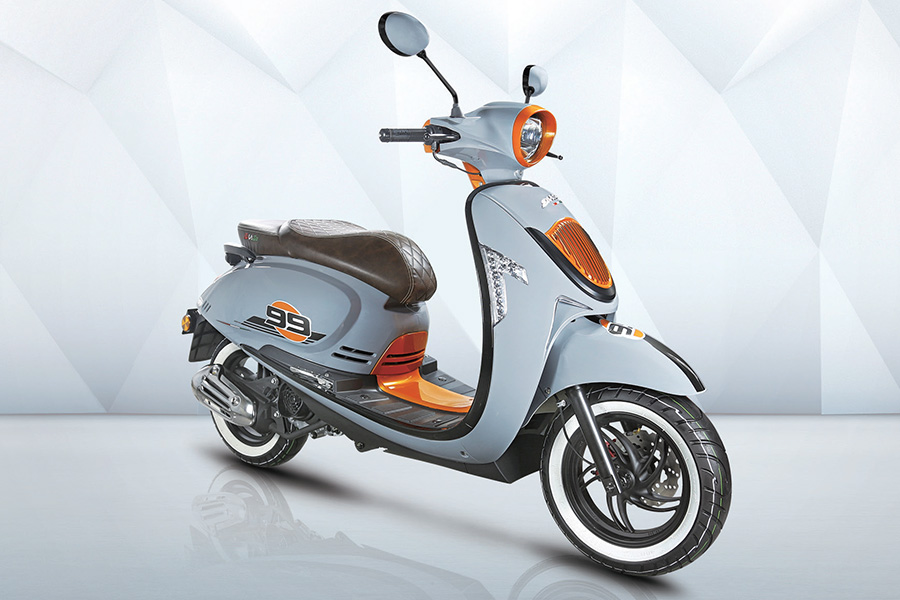
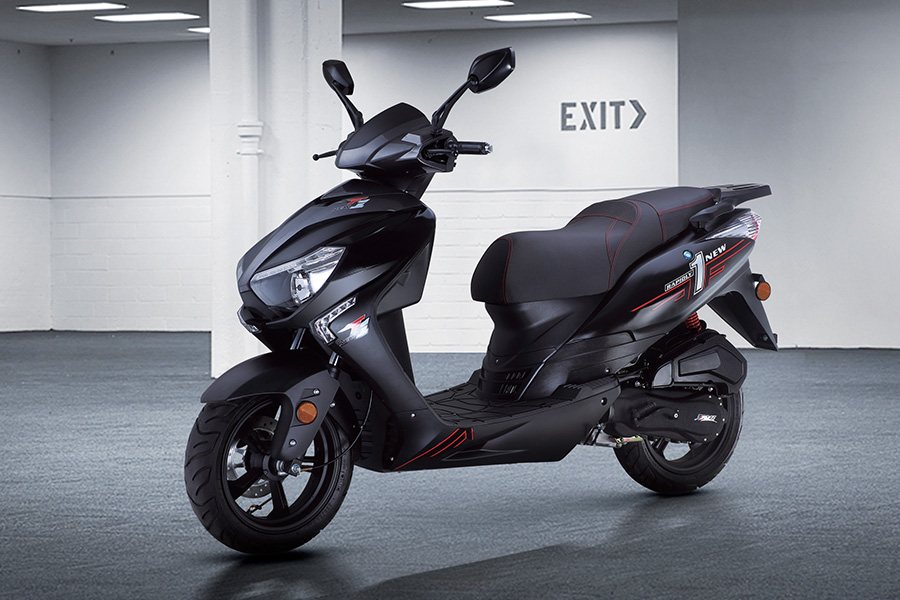
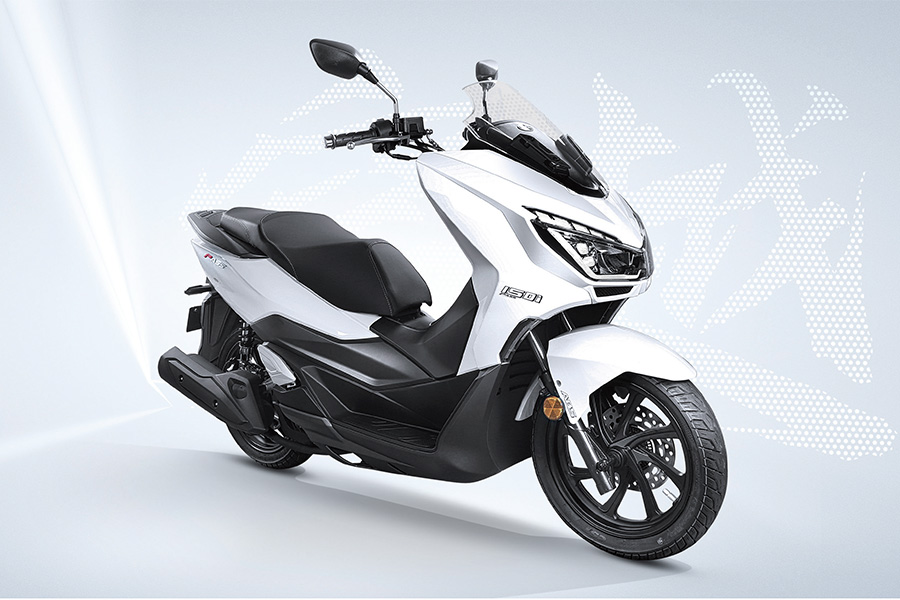
Different body styles can further expand their applications, ranging from simple step-through designs to models with a more motorcycle-inspired appearance.