

 俄语
俄语 西班牙语
西班牙语 阿拉伯语
阿拉伯语Gasoline moped scooters have been a familiar part of city streets and small towns for generations. Long before electric options became common, these gas-powered two-wheelers offered riders a straightforward way to get around without the size or expense of a full motorcycle. Even with newer alternatives on the market, gasoline moped scooters continue to hold a steady place among riders who prefer their particular blend of simplicity and familiar performance.
What Is a Gasoline Moped Scooter?
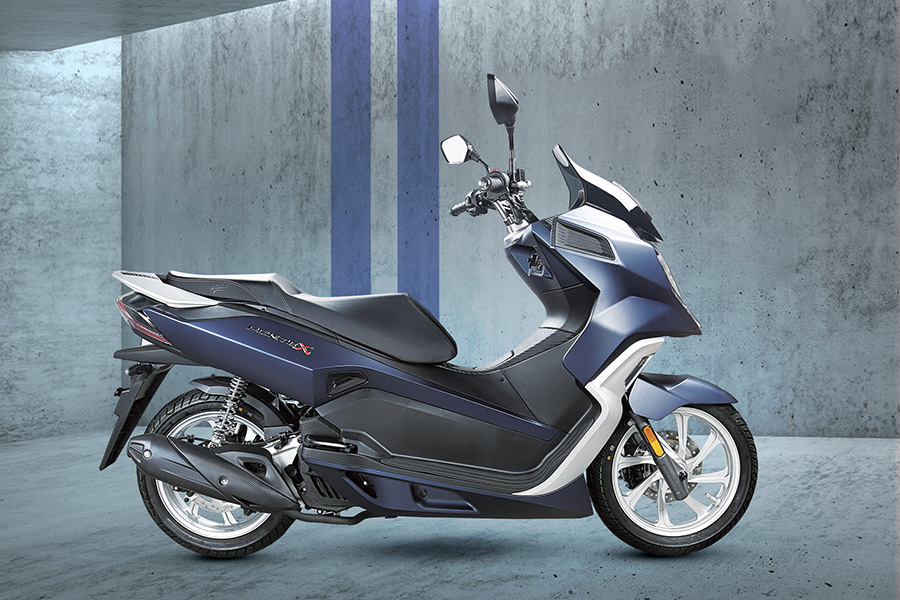
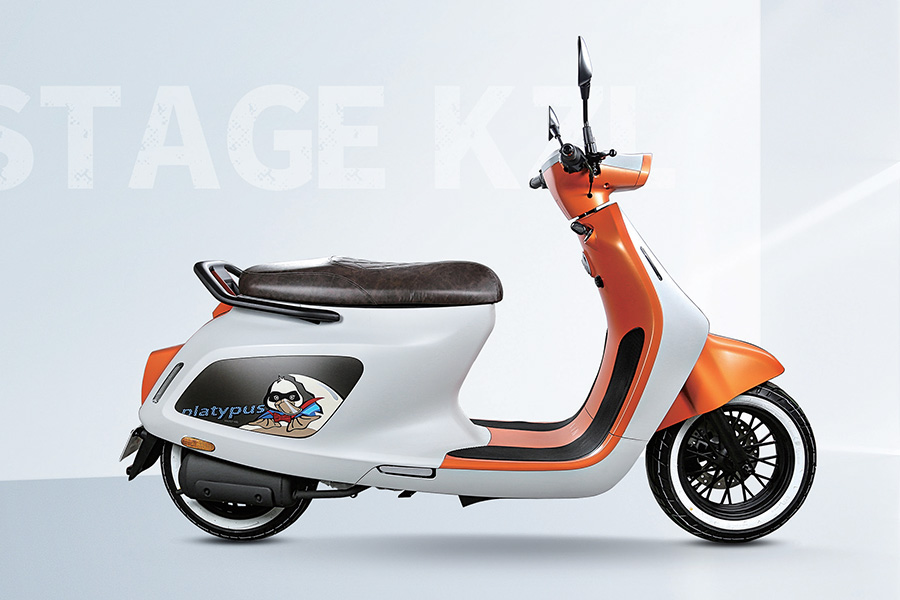
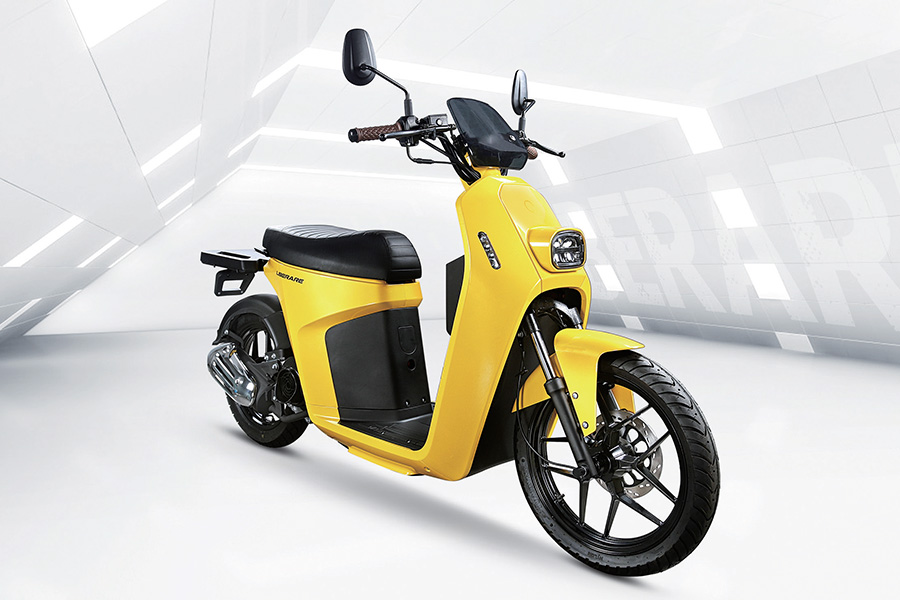
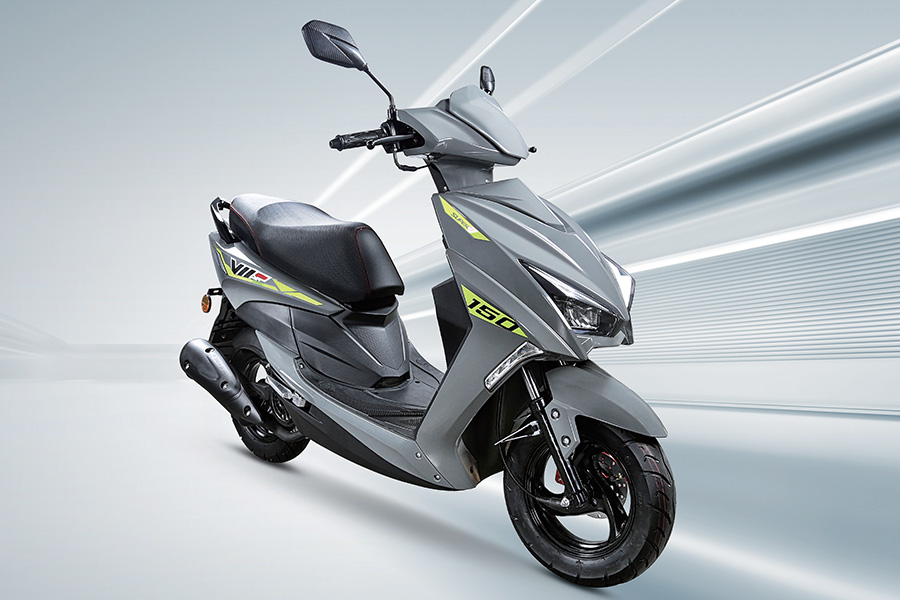
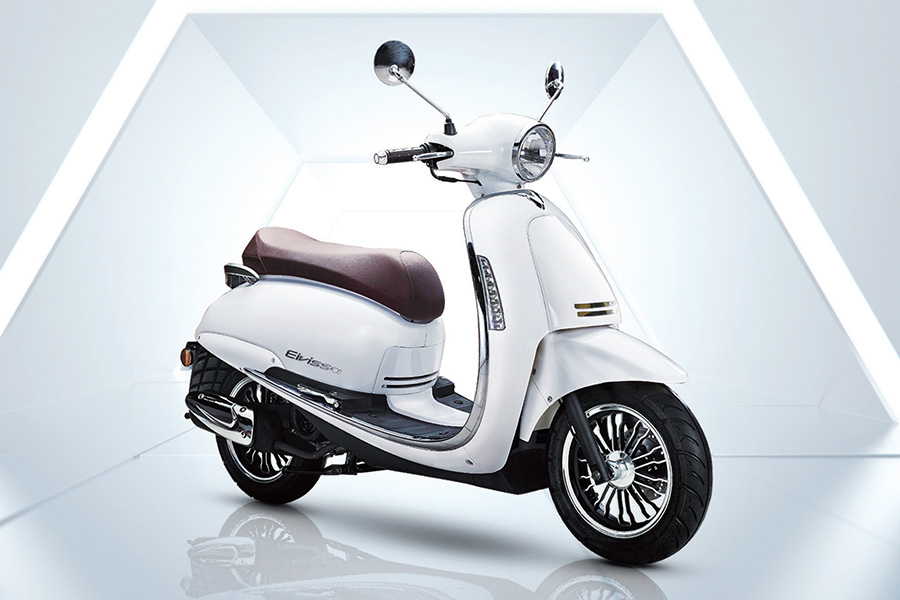
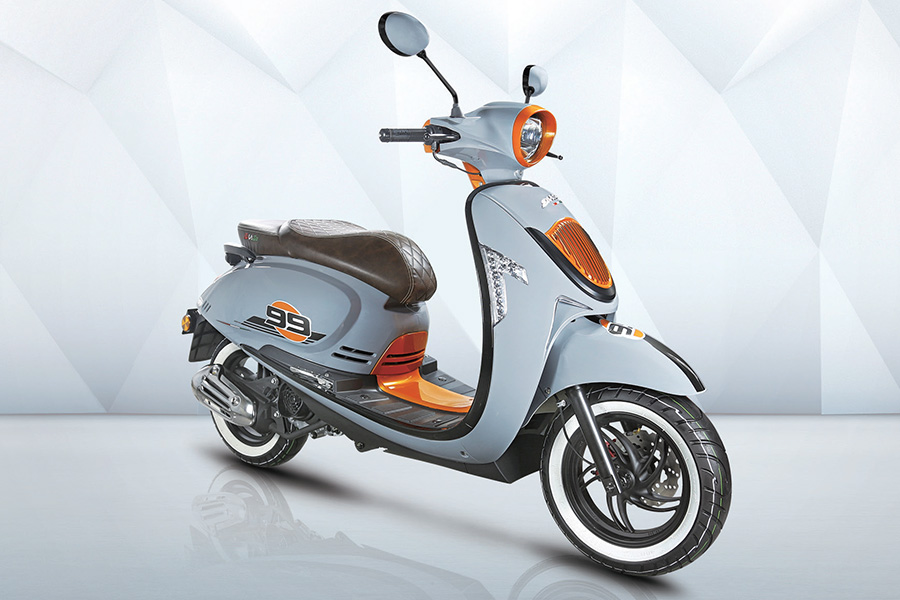
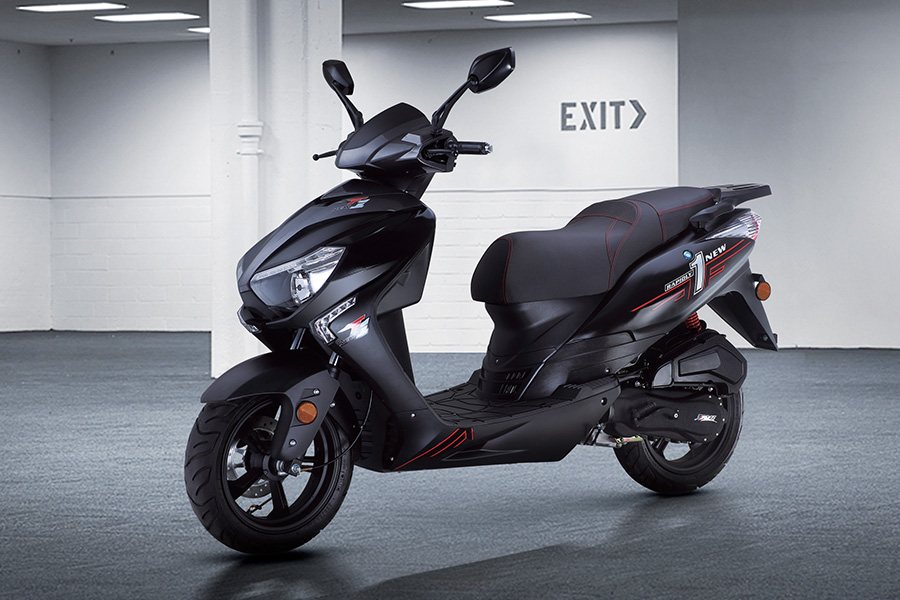
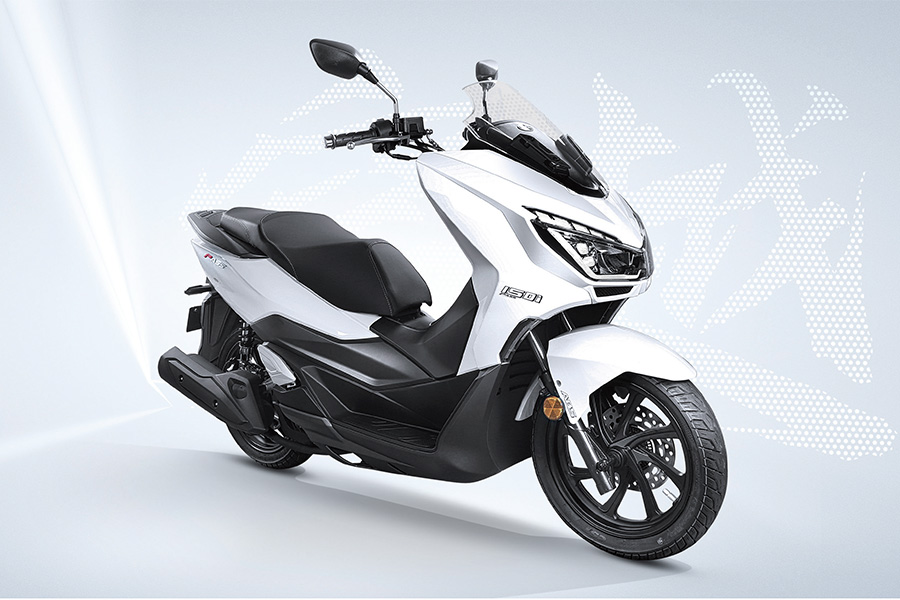
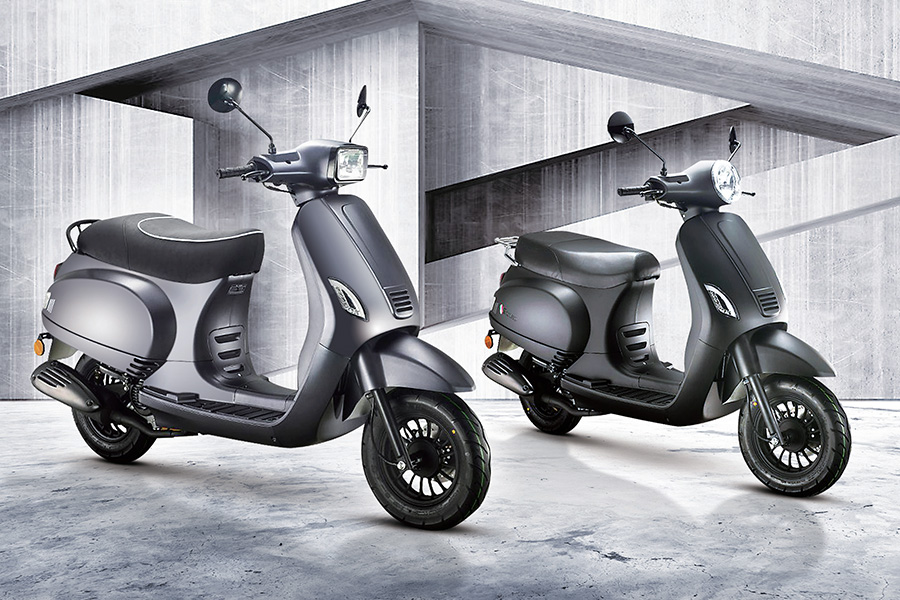
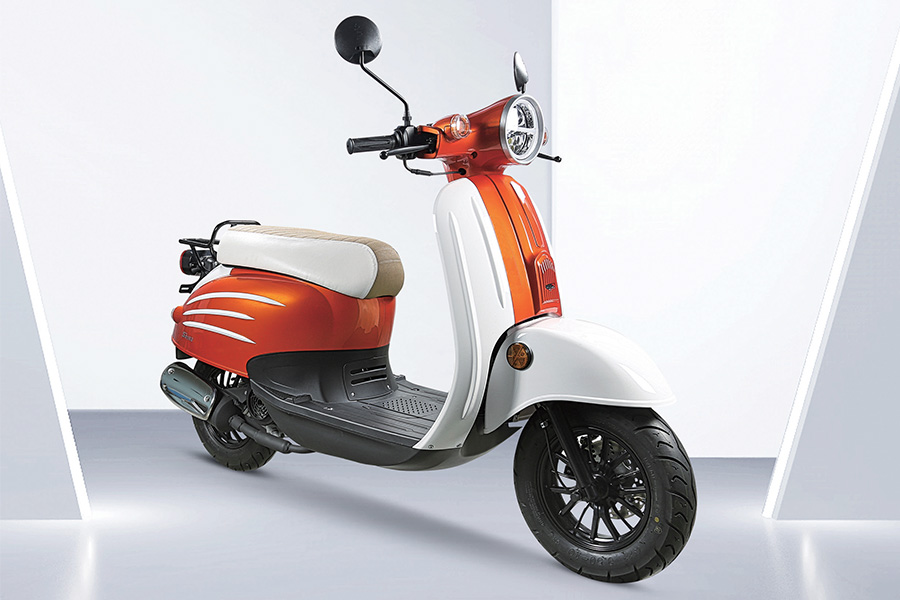
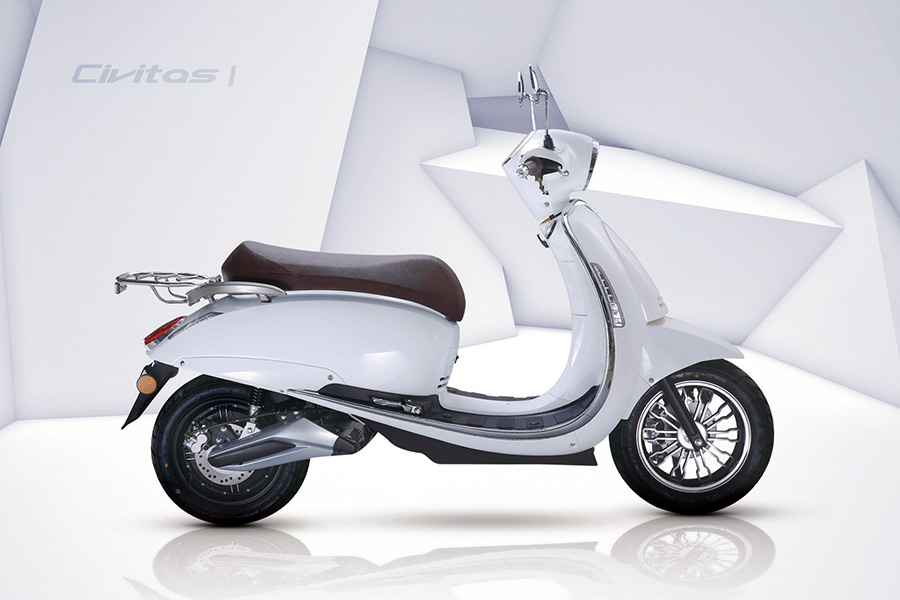
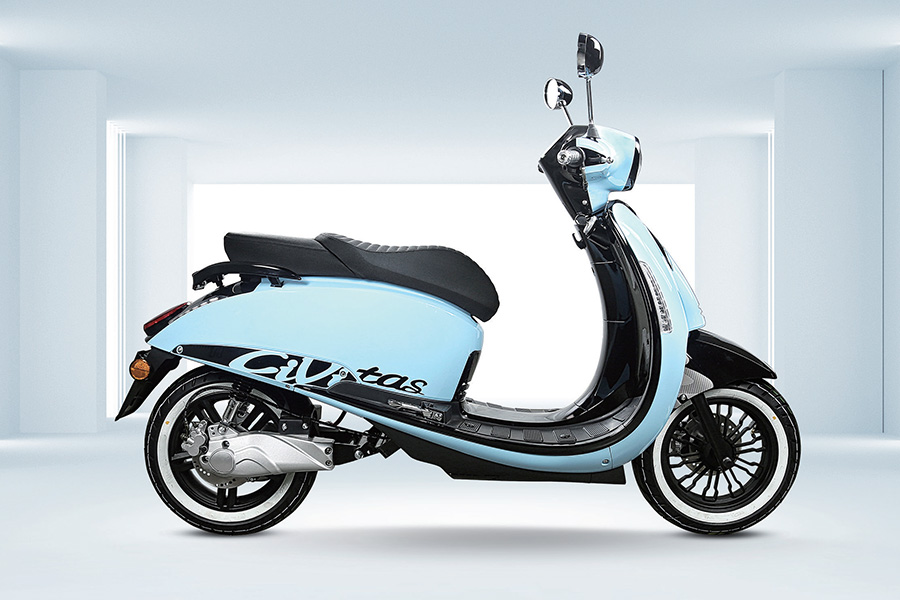
A gasoline moped scooter is a small, engine-powered two-wheeled vehicle that runs on traditional fuel rather than a battery. These scooters typically feature a step-through frame, a seat designed for one or two riders, and a small engine tucked beneath the seat or near the rear wheel. Compared to full-size motorcycles, gasoline moped scooters are generally lighter, easier to handle, and built with lower top speeds in mind, making them suited for shorter trips around town.
How Does a Gasoline Engine Power a Scooter?
The engine in a gasoline moped scooter burns fuel to generate power, which then drives the rear wheel through a transmission system. Most models use a simple twist-throttle design, similar to other scooters, allowing riders to control speed without manually shifting gears. Refueling is done at a standard gas station, and tanks are typically compact, reflecting the scooter's smaller size and shorter-range use case.
Common Features on Gasoline Moped Scooters
While designs differ across brands and models, many gasoline moped scooters share a similar set of features:
- A small fuel tank positioned under the seat or near the floorboard
- An analog or digital dashboard showing speed and fuel level
- Storage compartments, often located under the seat
- Mirrors, headlights, and turn signals for road use
- A kickstand and flat floorboard for easy foot placement
These shared features give gasoline moped scooters a recognizable look and feel, even across different manufacturers.
Why Some Riders Prefer Gasoline Over Electric
Even with more electric options available, gasoline moped scooters still appeal to a certain type of rider. A few reasons come up often:
- Refueling takes just a few minutes at any gas station, without waiting for a charge
- Many riders are already familiar with how gasoline engines sound and perform
- Parts and repairs for gas engines are widely available in many areas
- Longer-distance rides can sometimes feel more convenient without needing to track battery levels
These practical points explain why gasoline moped scooters haven't disappeared from the market despite growing interest in electric alternatives.
Comparing Gasoline Moped Scooters to Other Options
Gasoline moped scooters sit in an interesting spot compared to other two-wheeled vehicles. They're generally more powerful than pedal-assisted bikes and offer a more traditional riding experience than electric scooters, with the familiar sound and feel of a combustion engine. Compared to full-size motorcycles, they remain lighter and easier to maneuver, especially in tight city traffic or crowded parking areas. Riders often choose gasoline moped scooters when they want engine-based power without stepping up to a larger, heavier motorcycle.
What to Think About Before Choosing One
Anyone considering a gasoline moped scooter might want to weigh a few basic questions first. How far are the typical rides, and does the fuel tank size make sense for that range? Is the scooter mainly for solo riding, or will it occasionally carry a passenger? Does the local terrain include hills or mostly flat roads, which can affect how the engine performs? Thinking through these details can help narrow down which type of gasoline moped scooter fits a particular riding style.