

 俄语
俄语 西班牙语
西班牙语 阿拉伯语
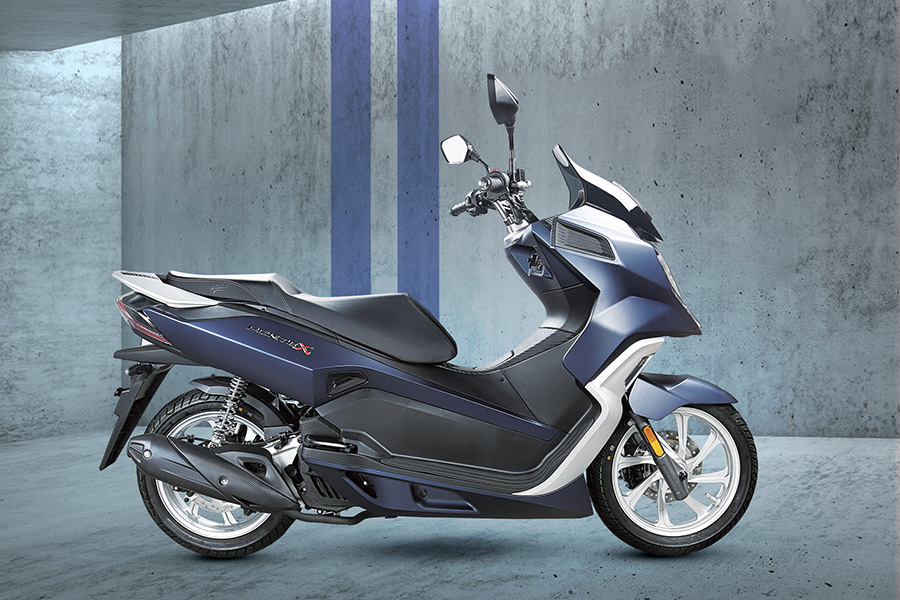
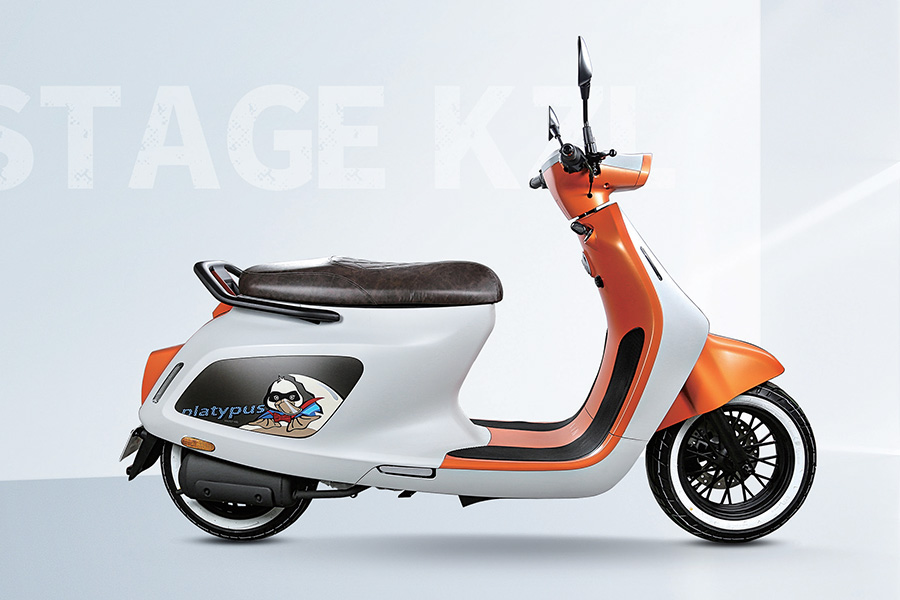
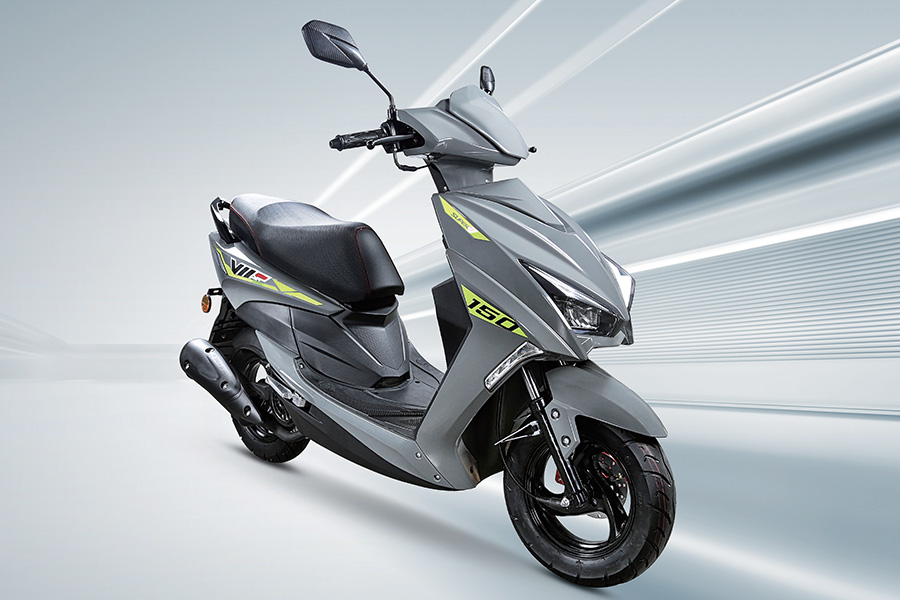
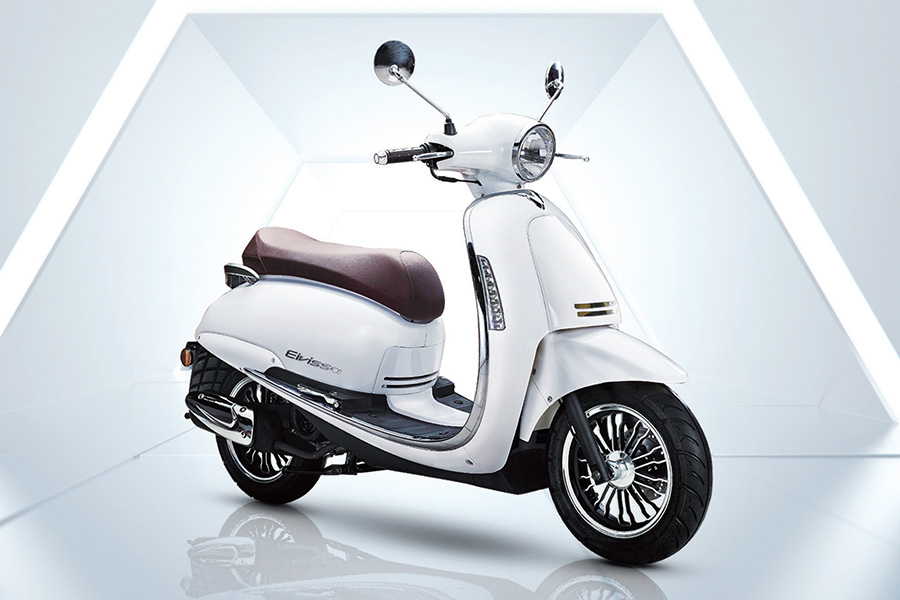
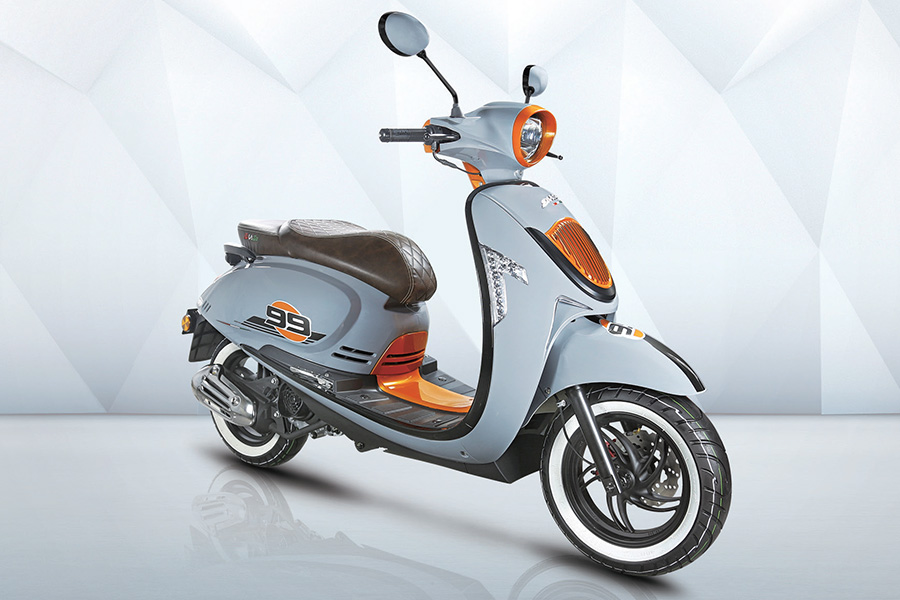
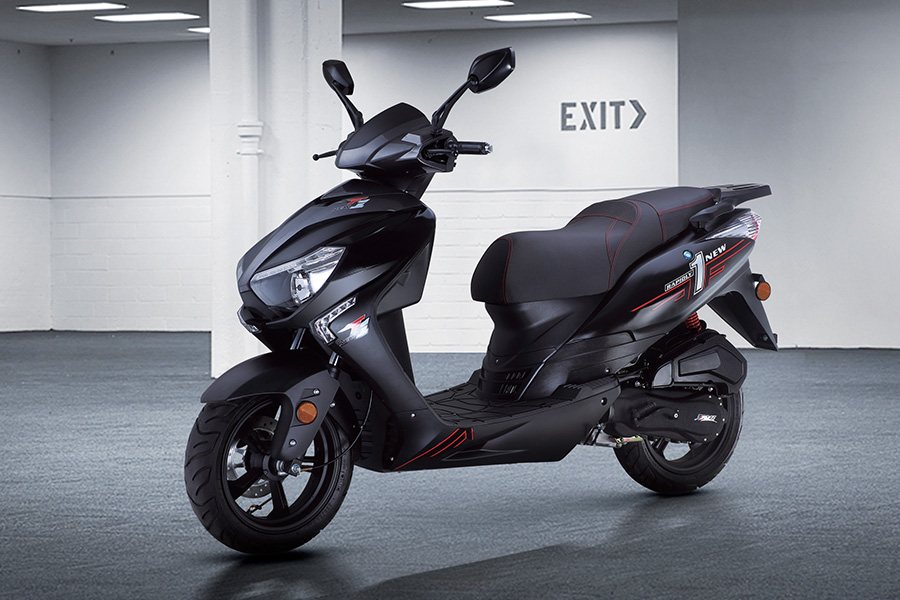
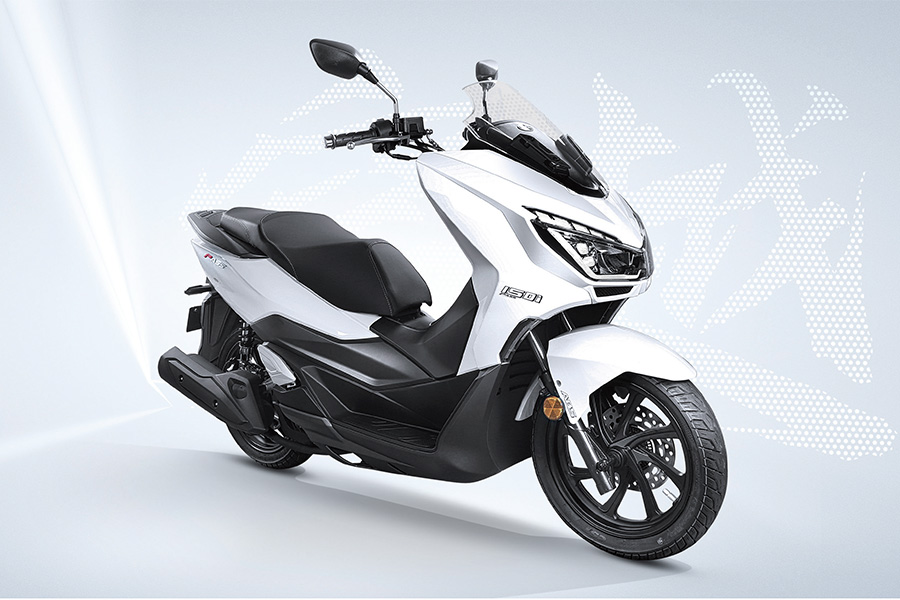
阿拉伯语The moped is finding a new place in the two-wheel mobility market. Once associated mainly with simple commuting, today's models can include electric powertrains, digital displays, improved suspension layouts, storage compartments, and redesigned frames. This shift has brought Mopeds For Adults into discussions among vehicle manufacturers, distributors, mobility retailers, and buyers looking for compact transportation products.
Unlike bicycles designed primarily around human pedaling, mopeds use a motor to provide propulsion. Their structure sits somewhere between a bicycle and a lightweight motorcycle, creating a distinct product category with plenty of room for different designs.
Compact Frames Shape The Riding Experience
Frame geometry has a direct influence on how a moped feels during operation. Manufacturers can adjust wheelbase, seat height, frame angle, and overall dimensions according to the intended application.
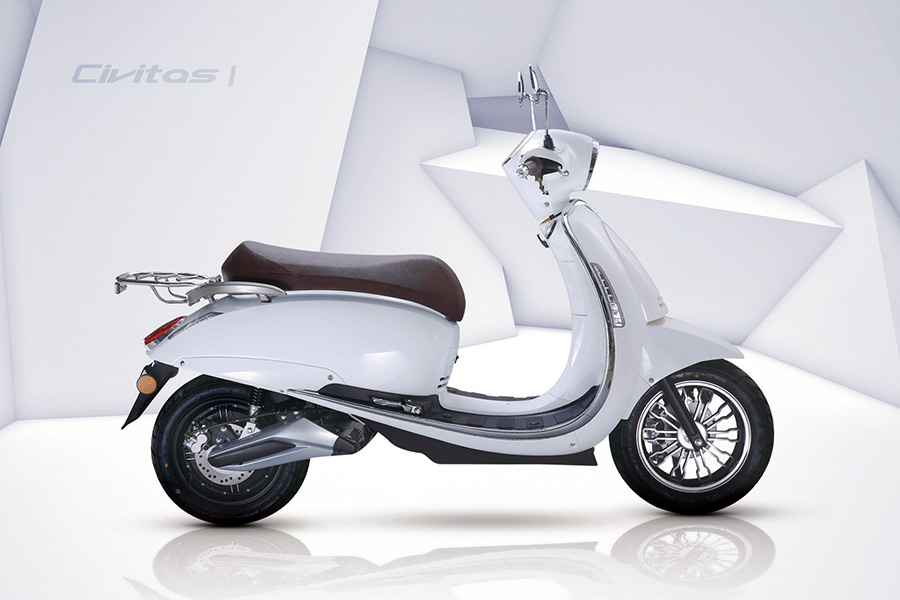
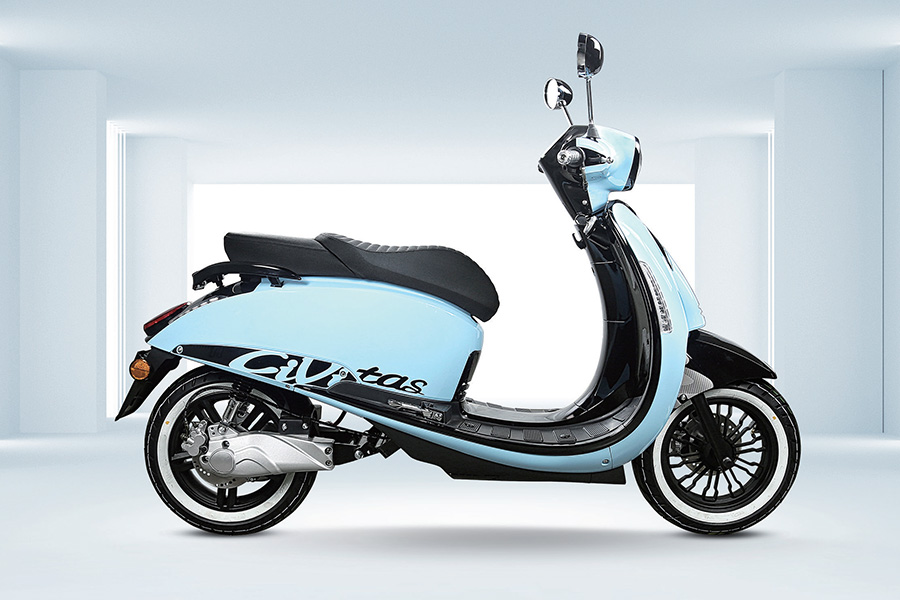
A longer wheelbase may create a different riding feel from a compact frame, while a lower seat can make mounting easier for some riders. Step-through structures are also common in certain designs because they provide a more accessible way to get on and off the vehicle.
For Mopeds For Adults, frame development is not simply about appearance. Engineers need to arrange the battery, motor, controller, suspension, wheels, seat, and storage components within a relatively small structure.
Electric Power Changes The Layout
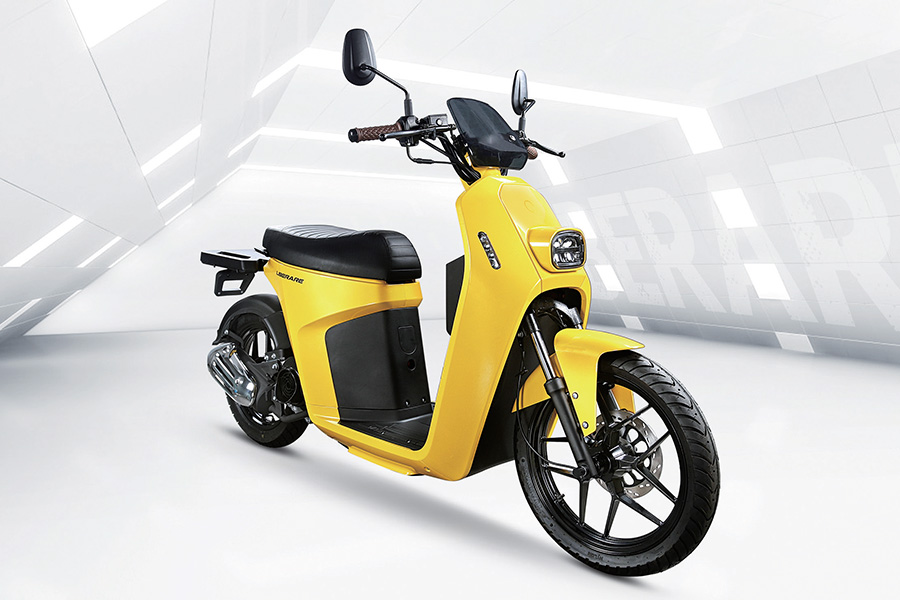
Electric motors have introduced new possibilities for moped design. Instead of a fuel tank and combustion engine occupying the central section, electric models typically use a battery pack, motor, controller, and associated wiring.
Motor placement can vary. Hub motors are integrated into the wheel, while mid-mounted arrangements place the motor closer to the center of the vehicle. Each configuration changes weight distribution and influences how designers arrange other components.
Battery placement is equally important. A frame-mounted battery can keep the power source integrated into the vehicle structure, while removable battery systems may offer a different approach to product design.
These choices give manufacturers several ways to develop Mopeds For Adults around different riding patterns and product requirements.
Wheels And Tires Need Their Own Strategy
Wheel size is another variable that can change the character of a moped. Smaller wheels can support compact vehicle dimensions, while larger wheels can alter ground clearance and handling characteristics.
Tire selection also depends on the intended riding environment. Urban models may use tires designed around paved surfaces, while products aimed at mixed-use routes can feature different tread patterns and dimensions.
The wheel, tire, fork, and frame must work as a coordinated system. Changing one component can influence the position or behavior of another, making suspension and chassis development an important part of vehicle engineering.
Controls Are Becoming More Digital
The traditional handlebar is gaining new functions as manufacturers introduce electronic systems. Depending on the model, riders may interact with digital displays showing speed, battery status, riding mode, or other information.
Electronic controllers regulate communication between the battery and motor. Throttle design can also vary between products, giving manufacturers different ways to configure acceleration response.
Some models integrate lighting controls, electronic locks, USB charging ports, or connectivity features into the cockpit area. These additions can turn a relatively simple two-wheel vehicle into a more electronically integrated product.
For manufacturers developing Mopeds For Adults, the challenge is arranging these components without making the handlebar area unnecessarily complicated.