

 俄语
俄语 西班牙语
西班牙语 阿拉伯语
阿拉伯语Gasoline scooters offer a practical way to move through city streets and nearby areas with a sense of independence. These two-wheeled vehicles combine a compact frame with an engine that runs on gasoline, giving riders a ready option for short to medium distances. From weaving through traffic to reaching local spots without delay, they fit into many everyday routines with straightforward appeal.
Compact Design and Key Features
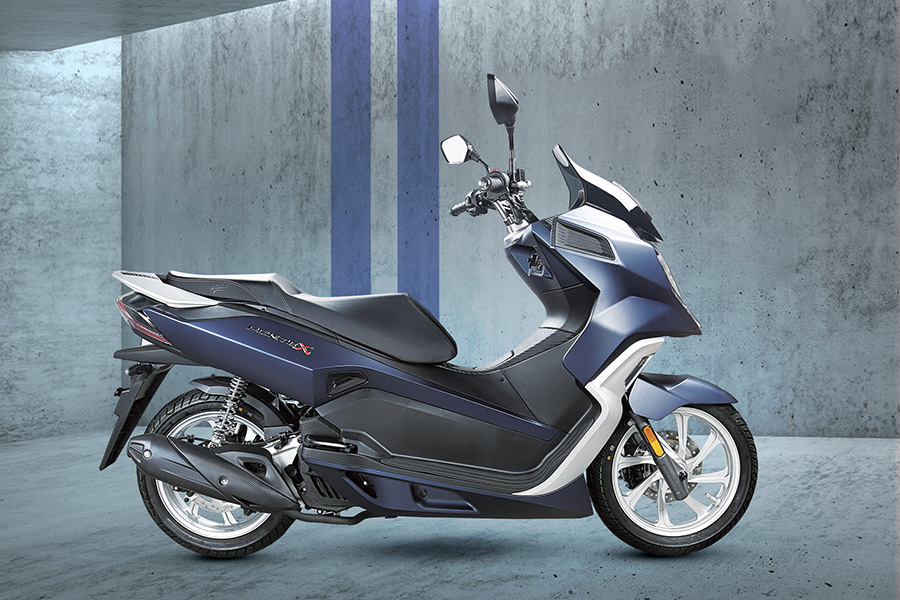
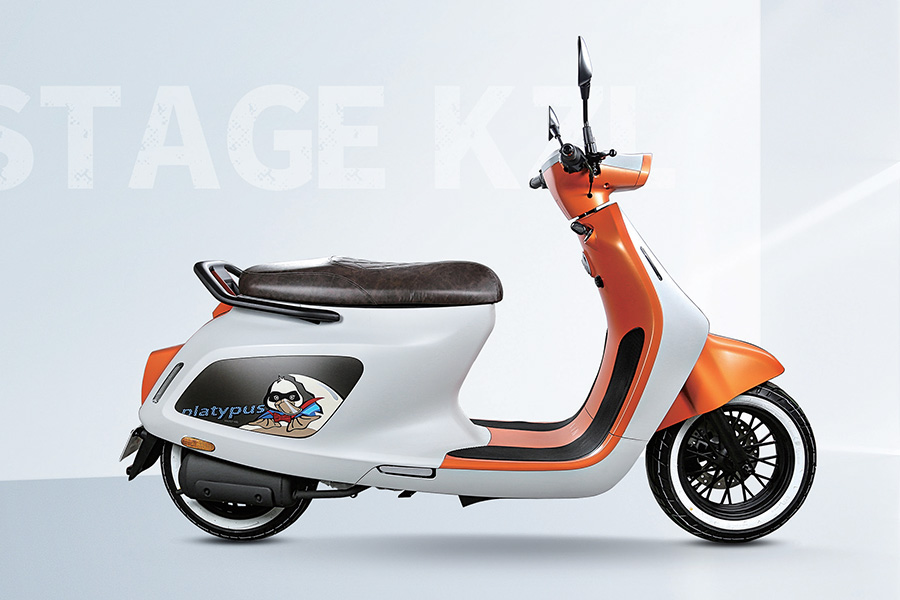
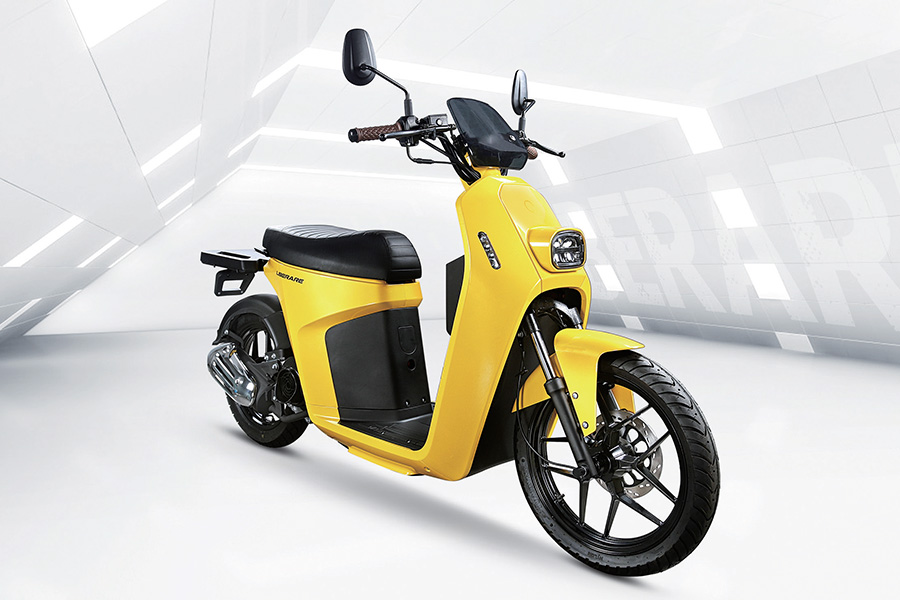
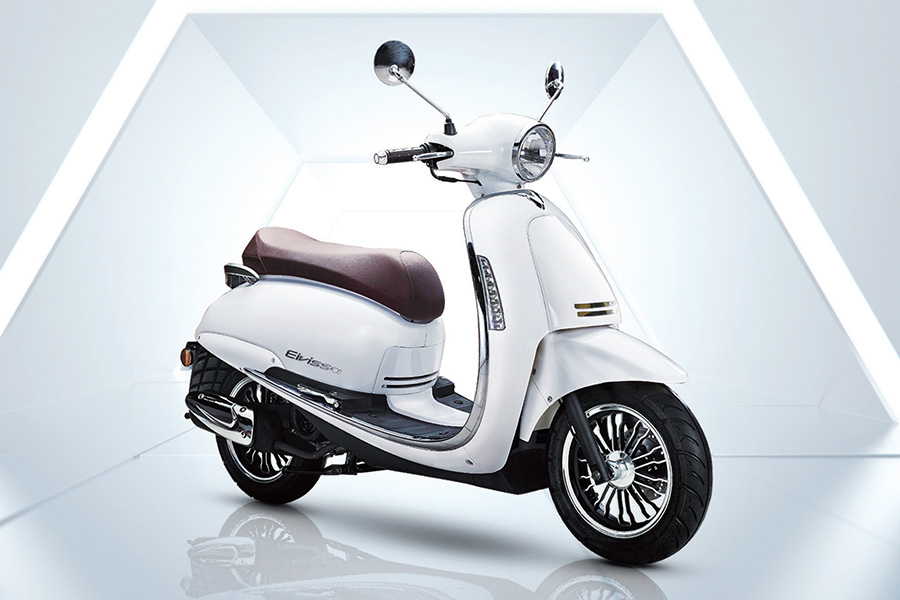
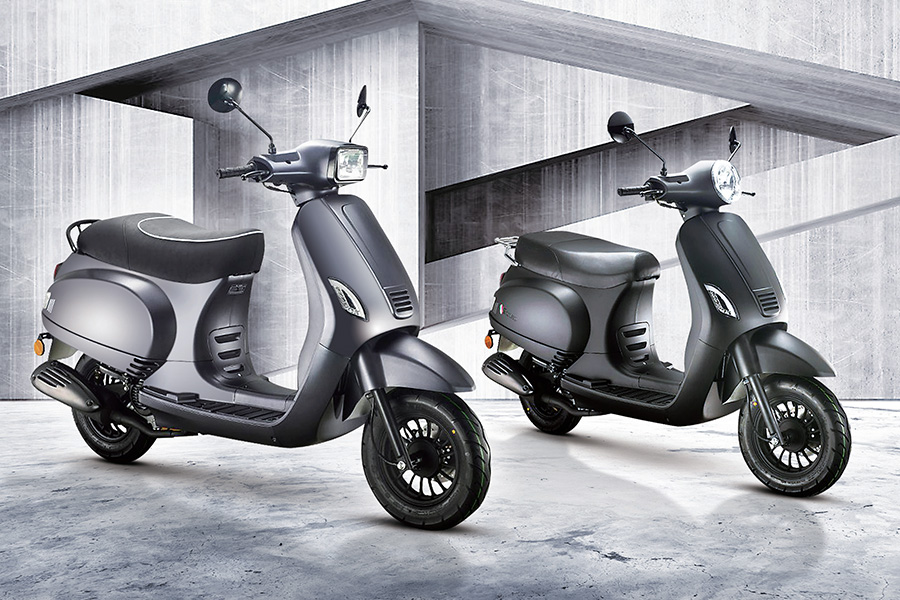
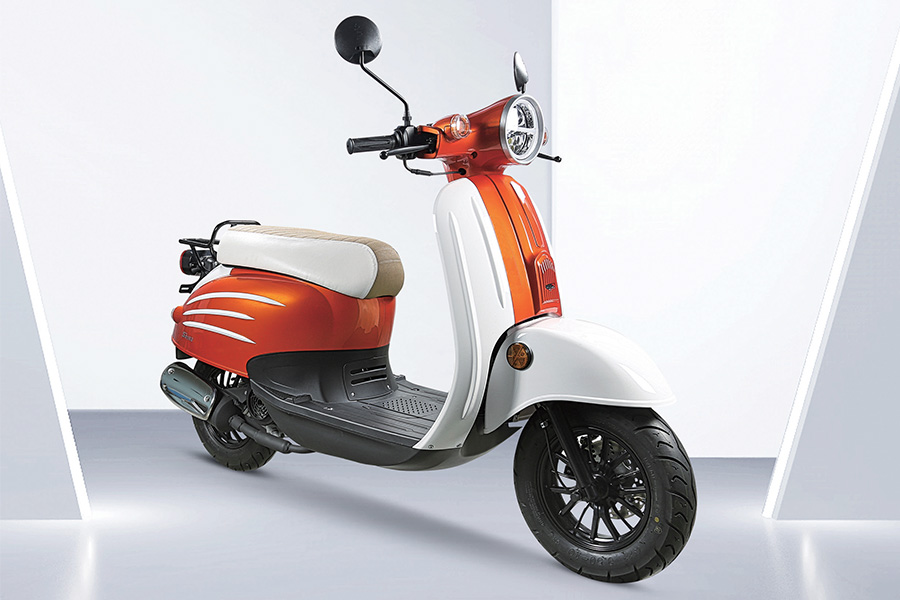
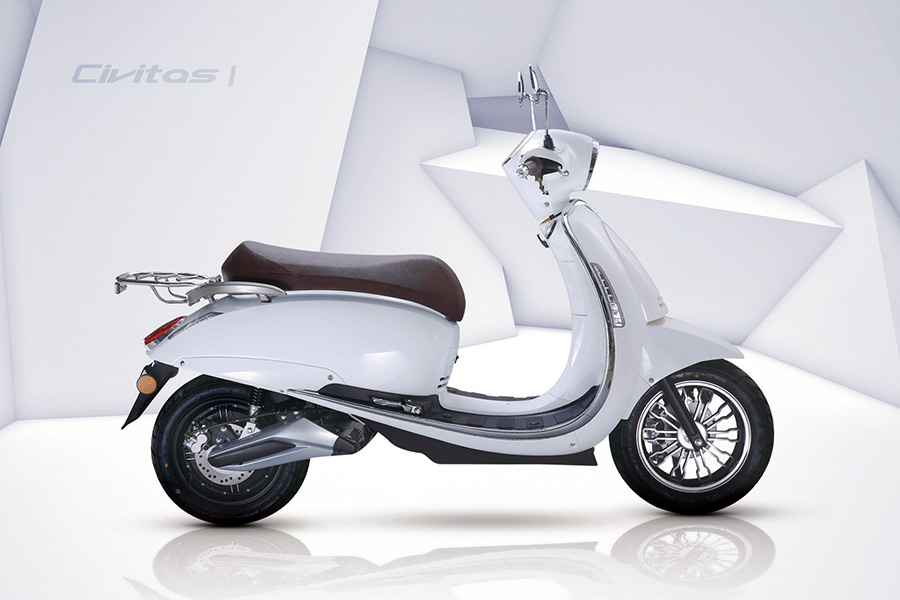
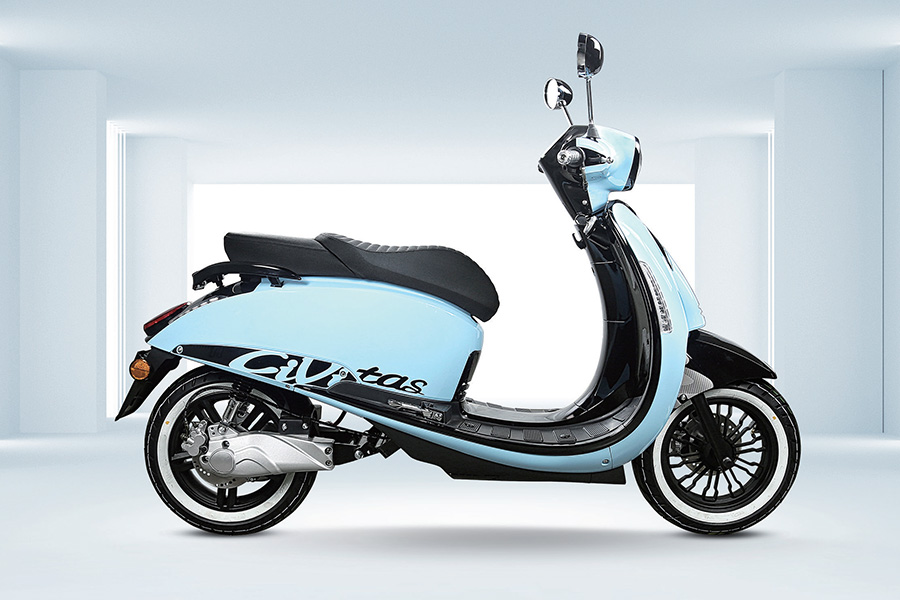
A typical gasoline scooter features a step-through frame that makes mounting and dismounting simple. The engine sits low in the body, contributing to a stable center of gravity. Wheels usually range in size to balance agility and comfort over common road surfaces. A single seat or dual seating arrangement accommodates one or two people depending on the model.
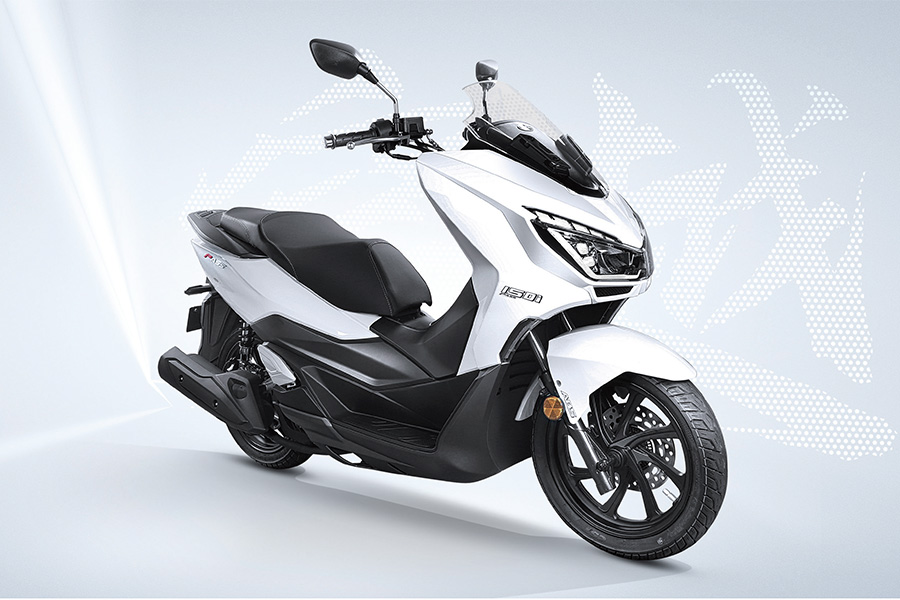
Controls stay familiar and accessible. The throttle sits on the right handlebar, while brakes appear on both sides for balanced stopping power. Storage space under the seat or in a small front compartment holds items like a helmet, bag, or small purchases. Some designs include a windshield for light weather protection and mirrors for clearer awareness of surrounding traffic.
Fuel tanks vary in capacity but generally support rides across town without frequent stops. The overall weight stays manageable, allowing riders to handle the scooter with reasonable effort when parking or moving it short distances by hand.
Common Uses in Daily Life
People turn to gasoline scooters for a range of practical needs. Morning and evening commutes become more direct when traffic slows larger vehicles. Running errands such as picking up groceries or visiting nearby shops takes less time than walking and avoids the search for larger parking spaces.
Students and young professionals often rely on them to move between campuses, workplaces, and social spots. In denser neighborhoods, the scooter slips into tight parking areas that cars cannot access easily. Weekend rides to parks, markets, or friends’ homes add a layer of flexibility to free time.
Delivery workers and small business owners sometimes use gasoline scooters for local routes, appreciating the ability to navigate crowded streets efficiently. Families may keep one for secondary transportation when the main vehicle is in use elsewhere.
Advantages of Portability and Ease
One clear benefit of a gasoline scooter is how little space it demands. Parking requires only a small footprint, whether on the street, in a garage, or beside a building. The light frame makes it possible to roll the scooter into elevators or storage areas in some buildings.
Starting the engine usually involves a simple process with a key or button, and the scooter responds quickly once underway. Acceleration feels responsive in city speed ranges, helping riders keep pace with traffic flow. The upright riding position reduces strain on the back and arms during typical trips.
Fuel stops remain convenient at regular stations, and the process of refueling takes only a few minutes. Combined with the compact size, this setup supports spontaneous trips without extensive planning.
Selecting Size and Style Options
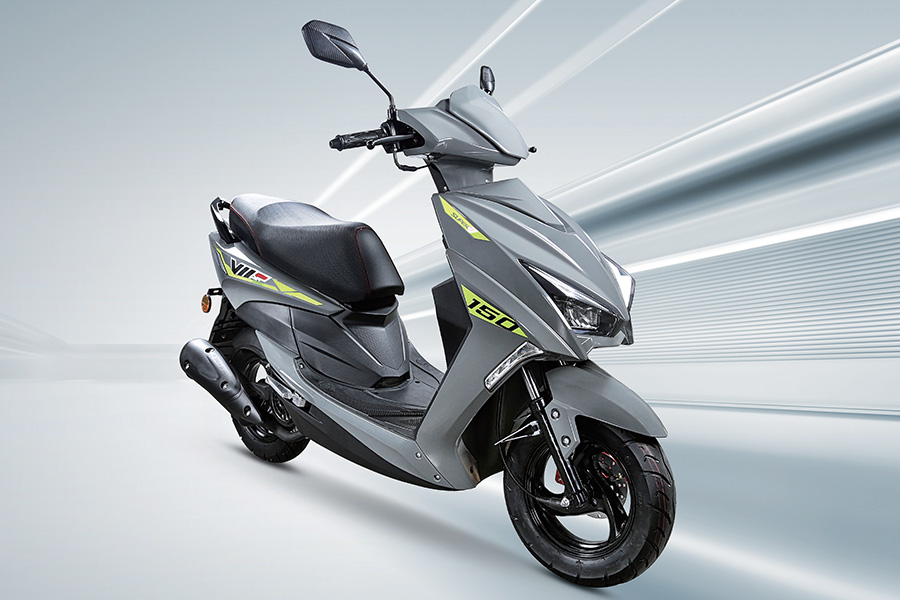
Gasoline scooters come in different body sizes and engine capacities suited to various preferences. Smaller models feel nimble in tight urban settings and suit riders who prioritize ease of handling. Slightly larger versions provide more stability at moderate speeds and extra room for a passenger or cargo.
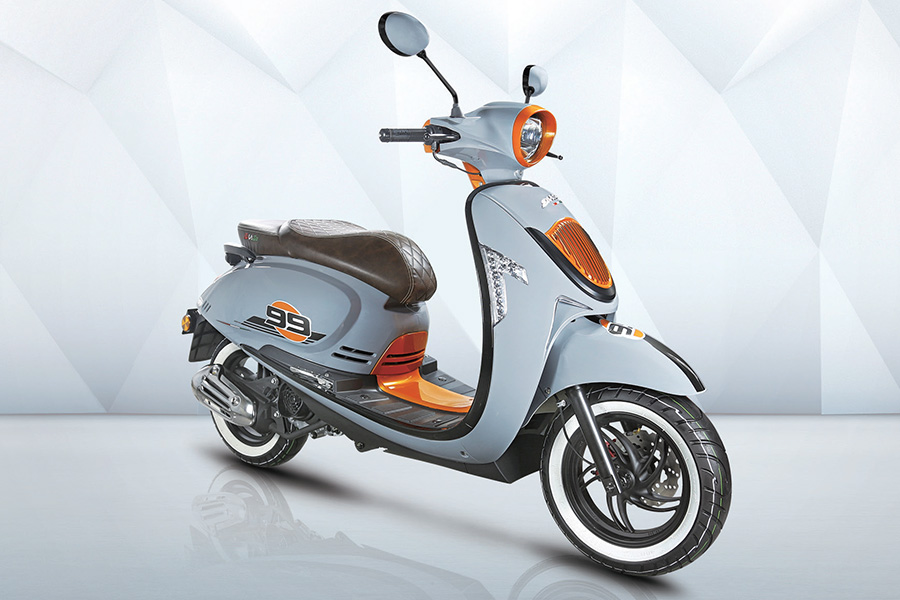
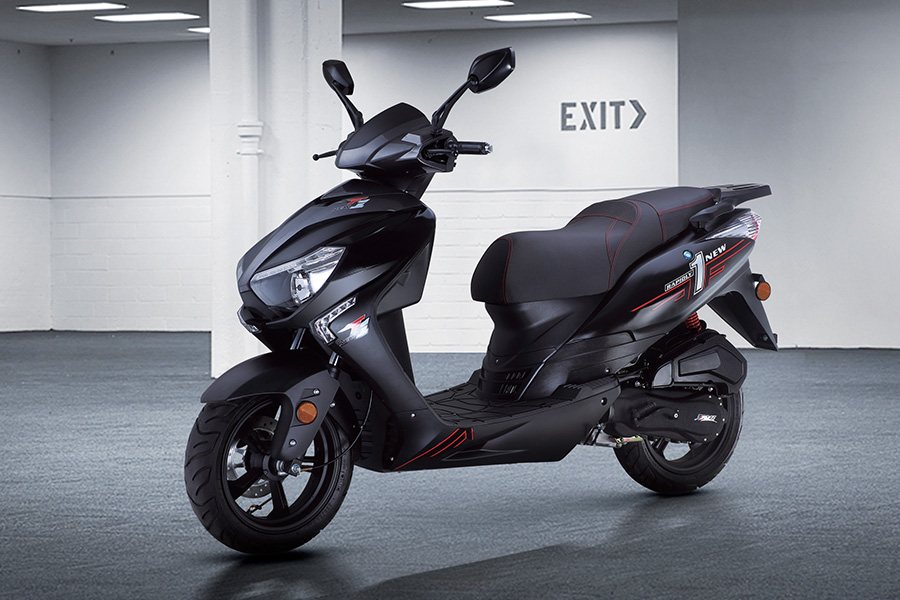
Color choices and body shapes range from understated tones to brighter finishes that stand out in traffic. Some scooters emphasize a sleek profile, while others focus on a more upright, comfortable stance. Checking the seat height and handlebar position helps ensure a natural riding posture for the individual user.
Floorboard space varies too, giving different levels of foot room and comfort during longer rides within the local area.
Gasoline scooters continue to serve as a flexible option for people who want reliable local mobility without the bulk of a car. Their straightforward design and adaptable nature support a variety of daily movements, from routine errands to casual exploration of nearby streets and neighborhoods. Whether navigating busy avenues or quiet side roads, these vehicles provide a ready means to cover ground with a sense of personal control and convenience.