

 俄语
俄语 西班牙语
西班牙语 阿拉伯语
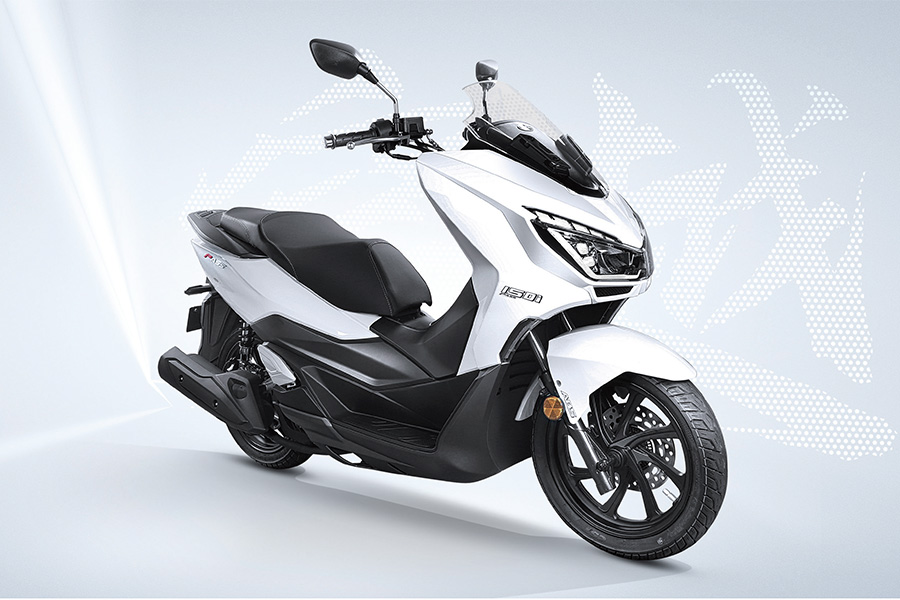
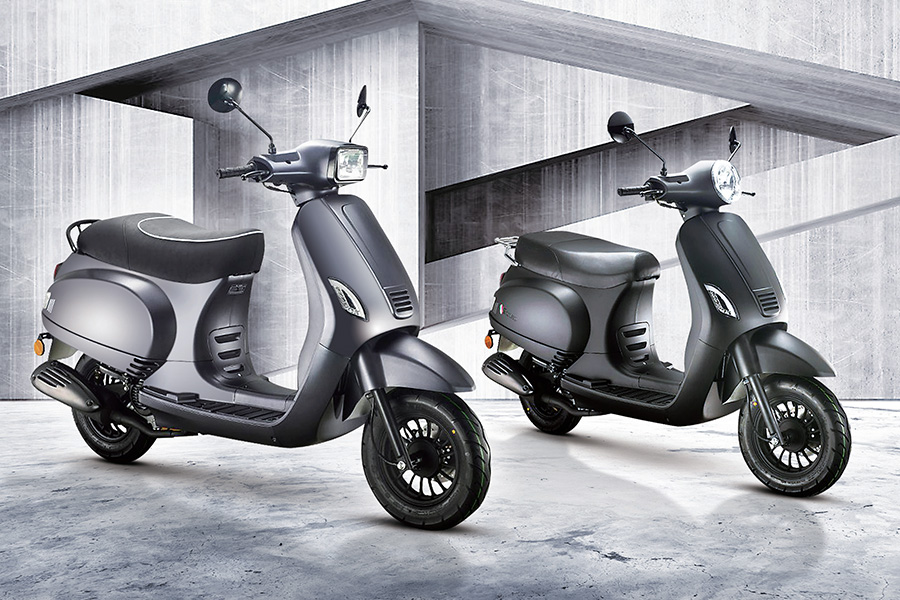
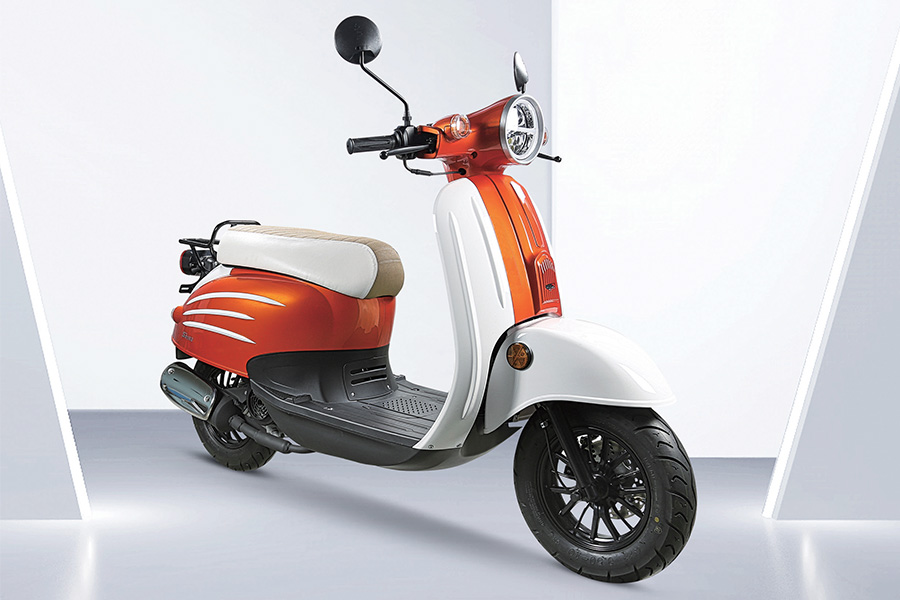
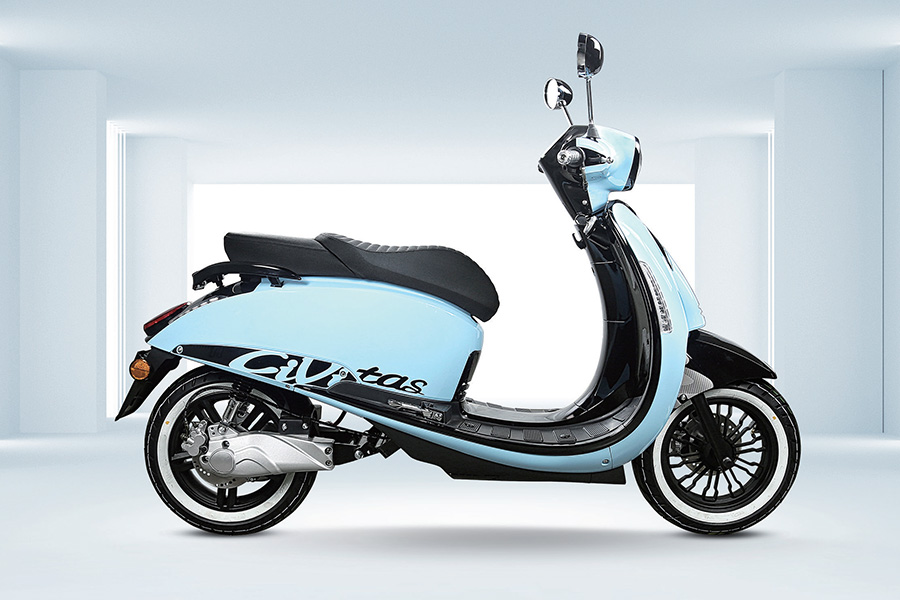
阿拉伯语Mopeds for adults have become a noticeable part of urban transportation in many cities where traffic congestion, fuel costs, and parking limitations continue to shape daily commuting choices. These compact vehicles sit between bicycles and motorcycles in terms of speed, power, and design, offering a practical solution for short to medium-distance travel. Their growing presence reflects a shift toward more flexible and efficient mobility options in modern urban environments.
A typical moped for adults is designed with a lightweight frame, a small engine or electric motor, and a simple control system that allows easy handling even for riders with limited experience. Traditional models use small internal combustion engines, while newer versions increasingly rely on electric power systems. Both types aim to provide efficient transportation without the complexity or higher operating costs associated with full-sized motorcycles or cars.
One of the main advantages of mopeds is their suitability for city commuting. In densely populated areas, traffic congestion can significantly increase travel time for cars and buses. Mopeds offer a way to navigate through traffic more easily due to their smaller size and maneuverability. They can also access narrow streets and parking areas that are often inaccessible to larger vehicles, making them practical for short trips such as commuting to work, running errands, or visiting nearby locations.
Fuel efficiency is another important factor contributing to their popularity. Traditional gasoline-powered mopeds consume less fuel compared to cars, making them more economical for daily use. Electric mopeds take this further by reducing reliance on fuel entirely, instead using rechargeable batteries that can be charged at home or at public charging stations. This shift aligns with growing interest in lower-emission transportation options in urban planning discussions.
Cost considerations also play a role in the increasing use of mopeds for adults. The purchase price of a moped is generally lower than that of a car or motorcycle, and maintenance costs tend to be more manageable. Insurance requirements in many regions are also less expensive, depending on local regulations. These financial factors make mopeds an accessible option for students, young professionals, and individuals seeking affordable transportation alternatives.
Ease of use is another contributing factor. Mopeds are generally simpler to operate than motorcycles, often featuring automatic transmission systems that eliminate the need for manual gear shifting. This makes them more approachable for new riders. The learning curve is typically shorter, allowing users to become comfortable with riding in a relatively short period of time.
Safety considerations are an important part of moped usage. While they are smaller and less powerful than motorcycles, riders still need to follow traffic regulations, wear protective helmets, and remain aware of road conditions. Some modern mopeds include safety enhancements such as improved braking systems, LED lighting for visibility, and digital displays that provide speed and battery information. These features contribute to a more controlled riding experience in urban environments.
Electric mopeds have introduced additional changes to the market. With quieter operation and reduced emissions, they are increasingly used in cities that promote environmentally friendly transportation. Battery range continues to improve, allowing riders to complete daily commutes without frequent recharging. Charging infrastructure is also expanding, making electric options more practical for everyday use.
Storage and parking convenience further support the appeal of mopeds for adults. Unlike cars, mopeds require significantly less parking space, and in some areas, designated parking zones are available specifically for two-wheel vehicles. This reduces the time spent searching for parking and lowers the overall stress associated with urban driving.