

 俄语
俄语 西班牙语
西班牙语 阿拉伯语
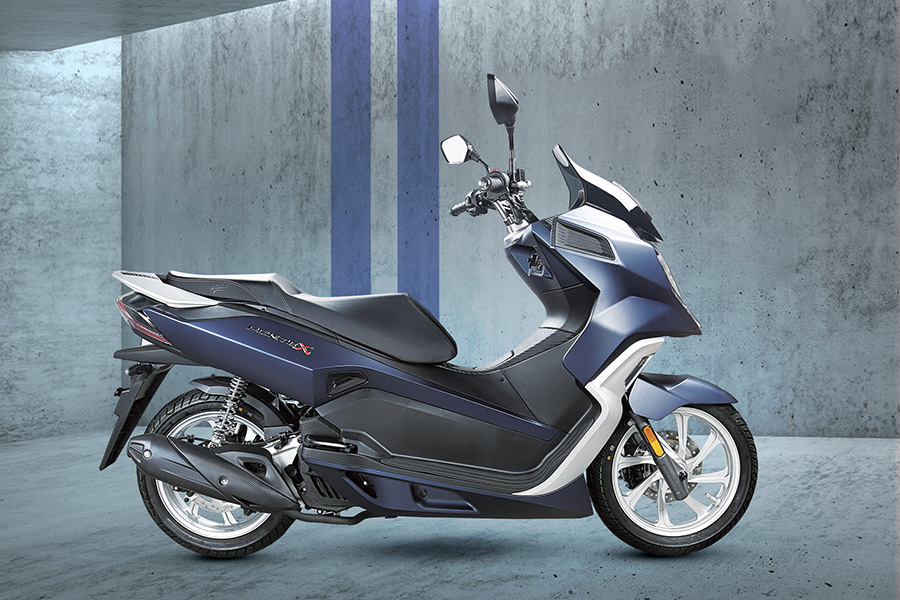
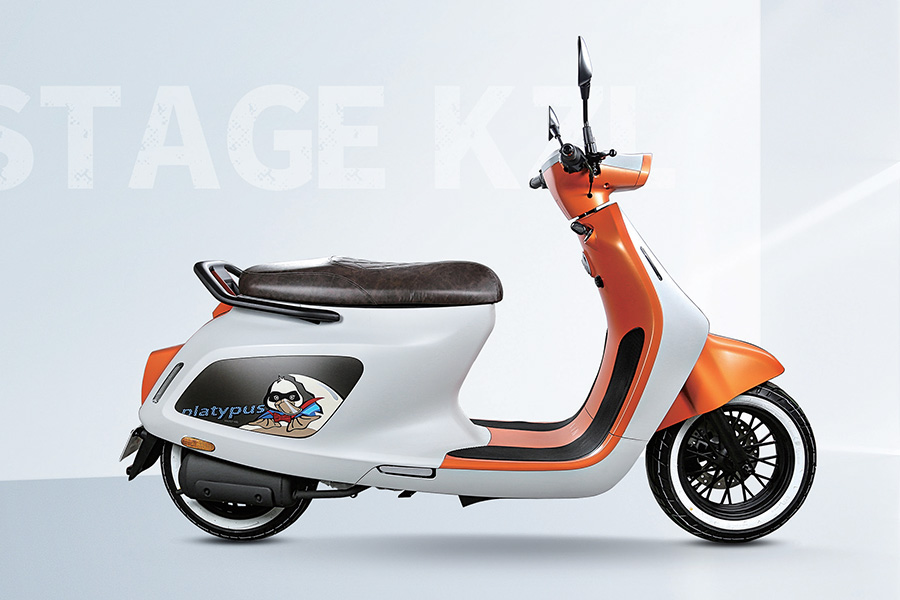
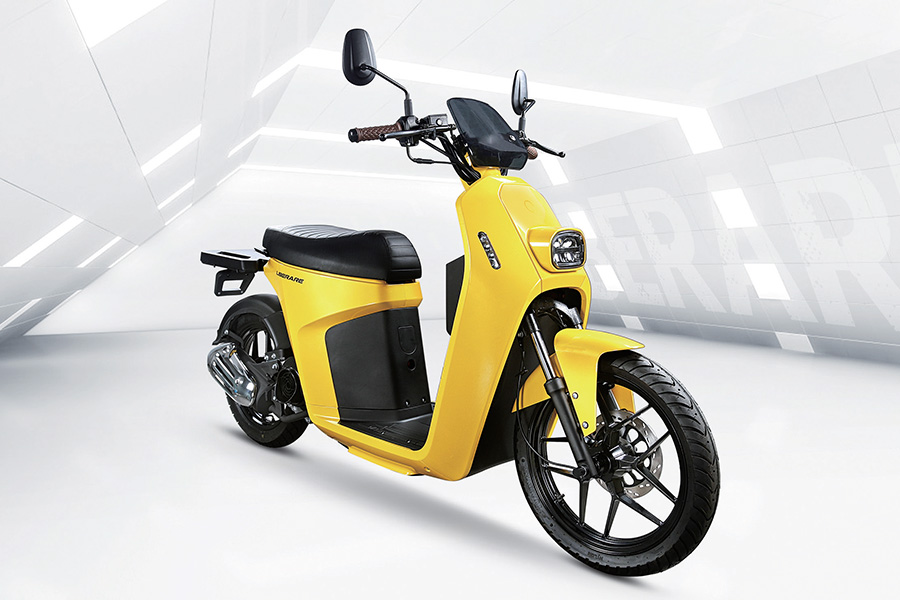
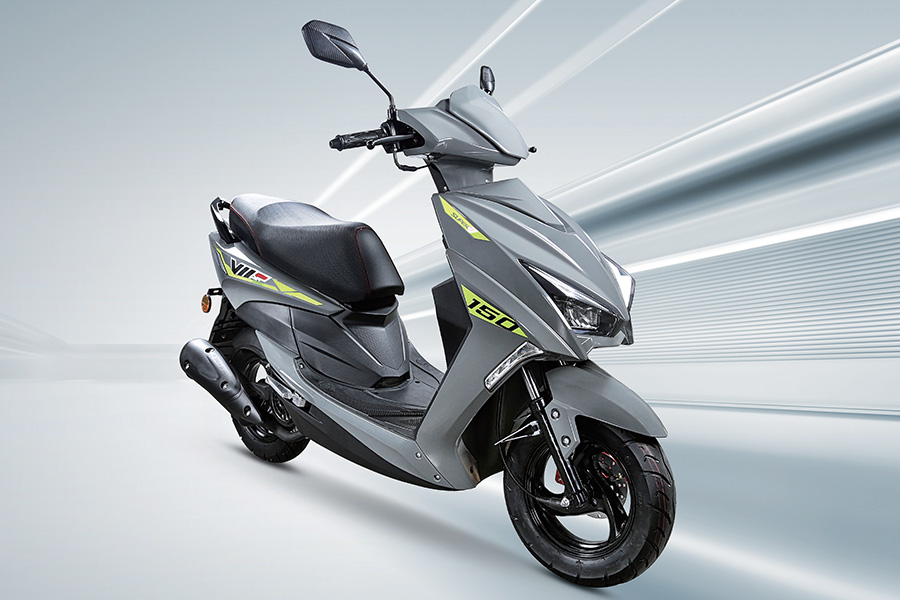
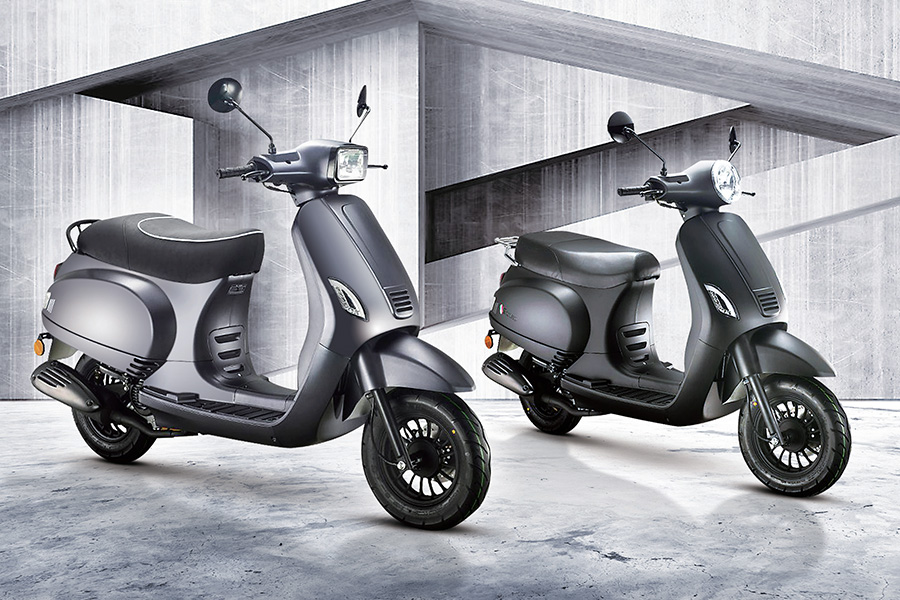
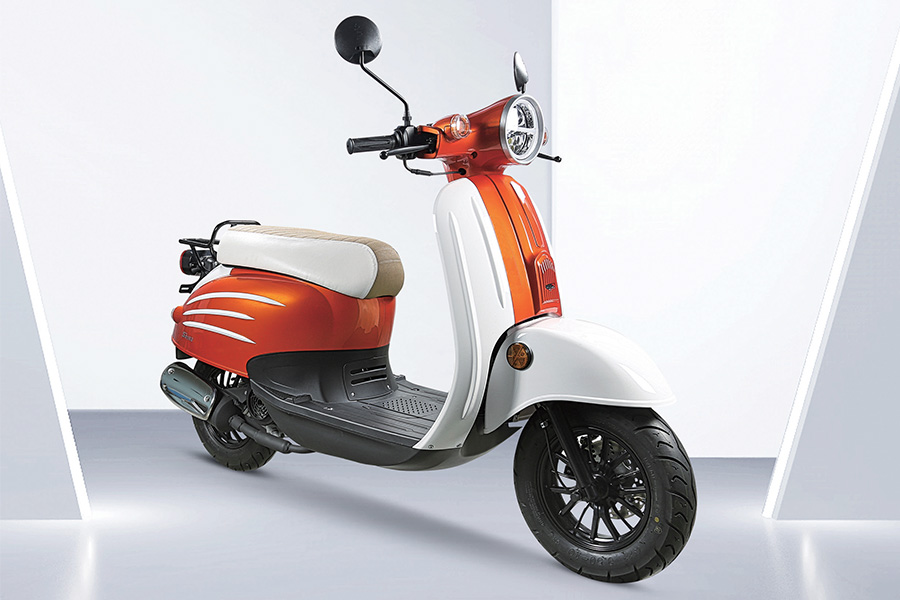
阿拉伯语The gasoline scooter continues to hold a stable position in urban transportation despite the rapid growth of electric mobility options. In many cities, these compact vehicles remain a familiar part of daily commuting because they offer a practical balance between affordability, mobility, and ease of operation. Their ability to navigate crowded streets and reduce travel time makes them attractive for riders seeking efficient transportation in busy environments.
A gasoline scooter is typically powered by a small internal combustion engine designed to provide enough speed and torque for short and medium-distance travel. Most models use engines ranging from 50cc to 150cc, although larger versions are also available in certain markets. These scooters are built with lightweight frames and automatic transmission systems, allowing riders to focus on steering and traffic awareness rather than manual gear changes.
One reason gasoline scooters remain widely used is their convenience in urban commuting. In areas where traffic congestion slows larger vehicles, scooters can move more easily through narrow streets and crowded intersections. Their compact size also simplifies parking, especially in cities where parking spaces are limited or expensive. Riders often choose scooters for commuting to work, attending school, or running everyday errands because they provide faster movement compared to walking or waiting for public transportation.
Fuel efficiency is another factor that contributes to the popularity of gasoline scooters. Compared to standard passenger cars, scooters consume significantly less fuel during daily operation. This lower fuel consumption helps reduce transportation costs, particularly for individuals who travel short distances frequently. In regions where fuel prices fluctuate, economical fuel use becomes an important consideration for daily commuters.
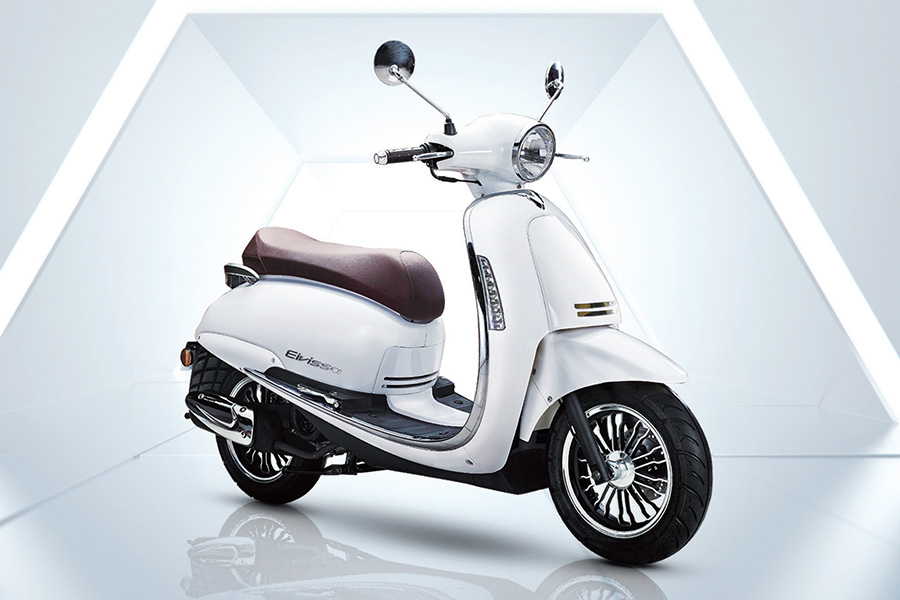
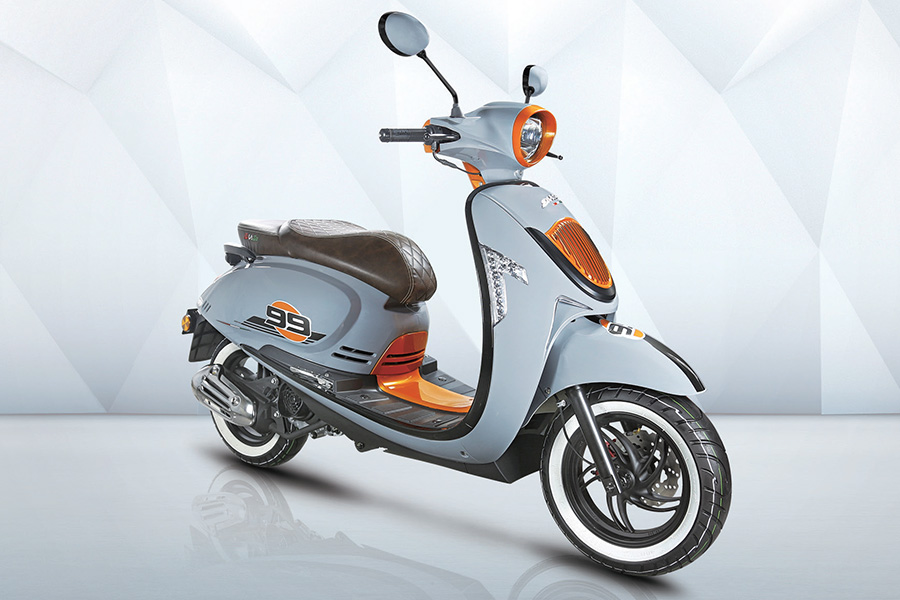
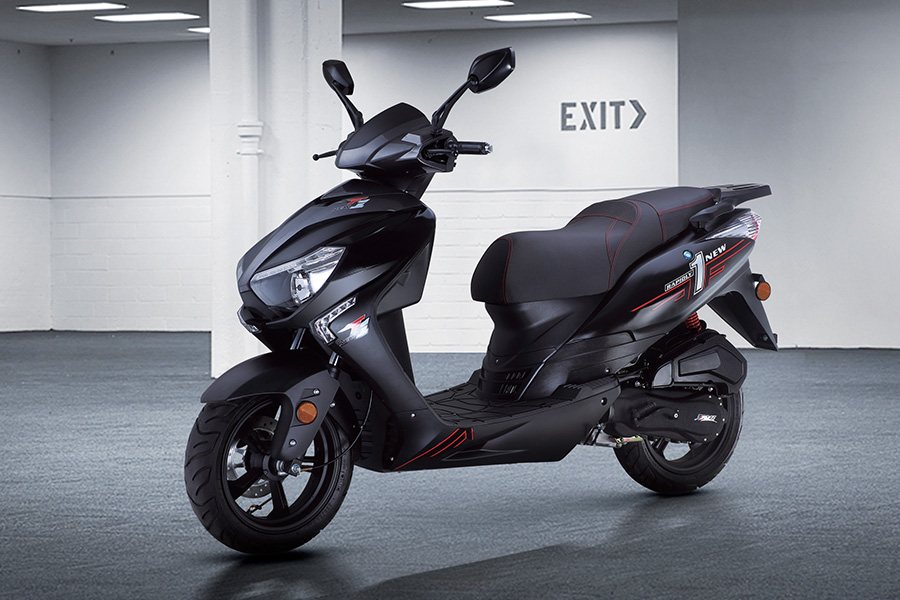
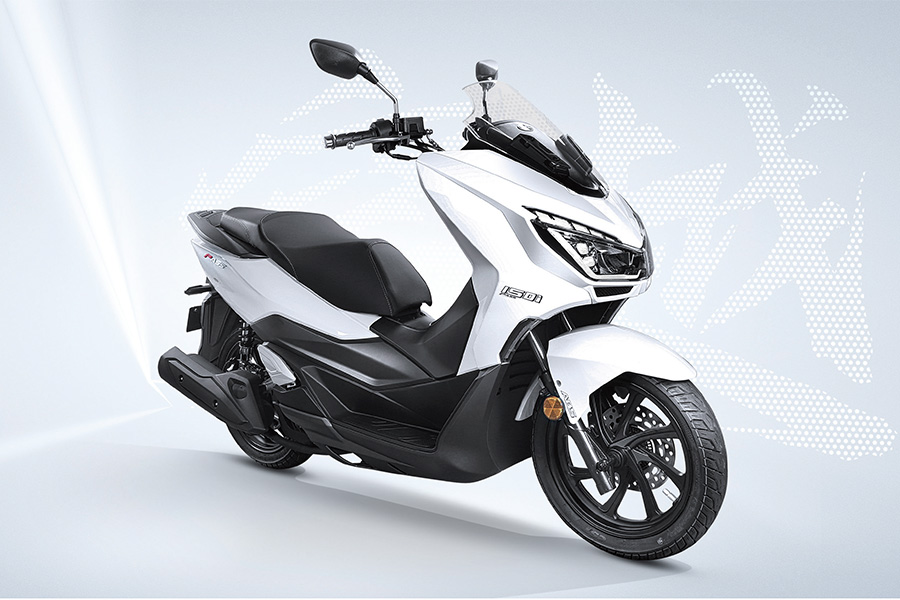
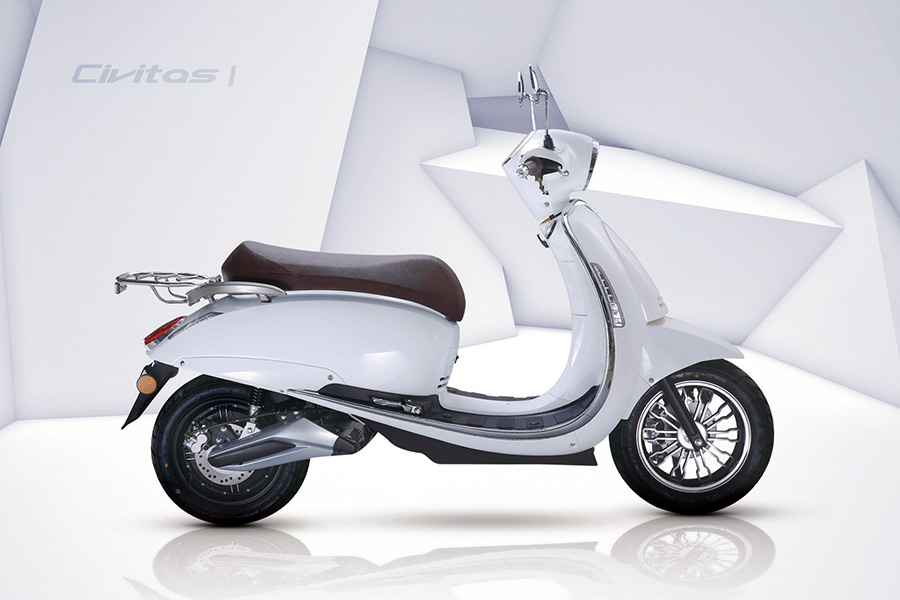
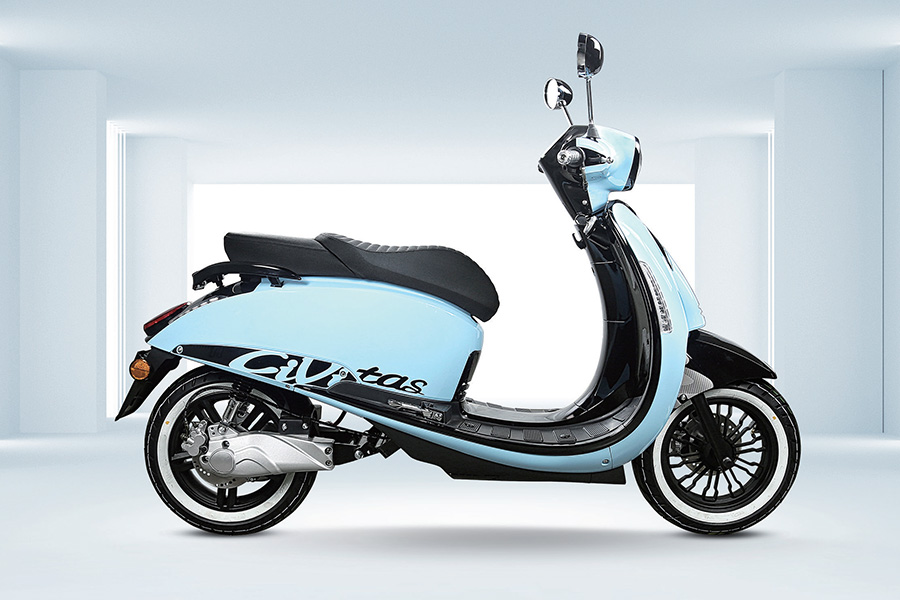
The design of gasoline scooters has evolved considerably over time. Earlier models focused mainly on basic transportation, often with simple styling and minimal storage capacity. Modern scooters now include features such as digital instrument panels, LED lighting systems, improved suspension designs, and under-seat storage compartments. These updates improve both functionality and rider comfort during regular use.
Comfort plays an important role in scooter design. Many scooters feature wider seats, ergonomic handlebars, and suspension systems designed to absorb road vibrations. These features help riders remain comfortable during longer trips or repeated daily commutes. Passenger seating is also common, allowing scooters to transport two people when local regulations permit.
Storage convenience has become another practical advantage. Under-seat compartments allow riders to carry helmets, bags, groceries, or personal items without needing additional cargo systems. Some scooters also include rear racks or front storage hooks that expand carrying capacity for daily use. This practicality supports their role as multi-purpose transportation vehicles in urban environments.
Safety discussions remain important in the gasoline scooter market. Riders are encouraged to wear helmets, reflective clothing, and protective gear during operation. Modern scooters increasingly include safety-focused technologies such as disc braking systems, anti-lock braking features, and brighter lighting for improved visibility in traffic. Urban infrastructure also influences safety outcomes, particularly in cities that provide designated lanes or parking areas for two-wheel vehicles.
Manufacturers continue adjusting scooter designs to meet changing consumer expectations and regional regulations. Improvements in fuel efficiency, emissions control systems, and engine performance aim to maintain the relevance of gasoline scooters in evolving urban transportation systems. At the same time, design trends increasingly focus on balancing practicality with visual appeal, attracting riders seeking both function and style.