

 俄语
俄语 西班牙语
西班牙语 阿拉伯语
阿拉伯语Electric mopeds are becoming a familiar sight in urban neighborhoods, university districts, and suburban communities as transportation habits continue evolving. Once viewed mainly as niche vehicles for short rides, electric mopeds are now entering broader discussions about mobility, convenience, and energy-conscious transportation. Manufacturers, city planners, delivery services, and consumers are all paying closer attention to how these compact vehicles fit into modern lifestyles.
One factor contributing to the growing visibility of electric mopeds is the increasing demand for flexible transportation options in crowded cities. Many commuters are looking for alternatives that can reduce time spent in traffic while remaining practical for daily use. Electric mopeds offer a compact structure that allows riders to navigate busy streets, narrow parking areas, and shorter commuting routes with greater convenience than larger vehicles. Their lightweight design also makes them suitable for quick errands and local travel.
Battery technology is playing a major role in shaping the electric moped market. New battery systems are supporting longer travel ranges and more stable charging performance compared with earlier generations. Some models now feature removable batteries that can be charged indoors, making them more practical for apartment residents and urban commuters without dedicated charging stations. Charging infrastructure is also gradually expanding in commercial districts, parking facilities, and residential developments, supporting broader adoption.
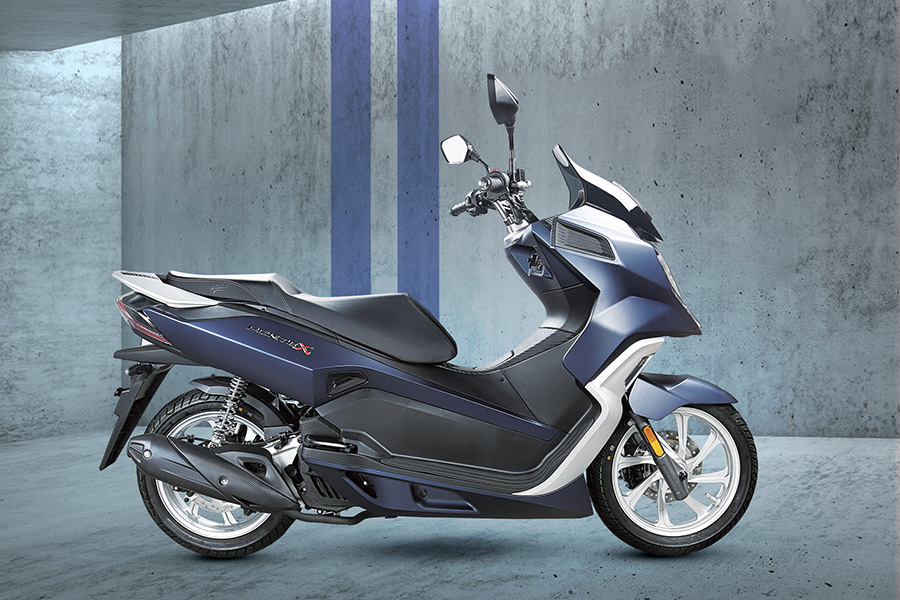
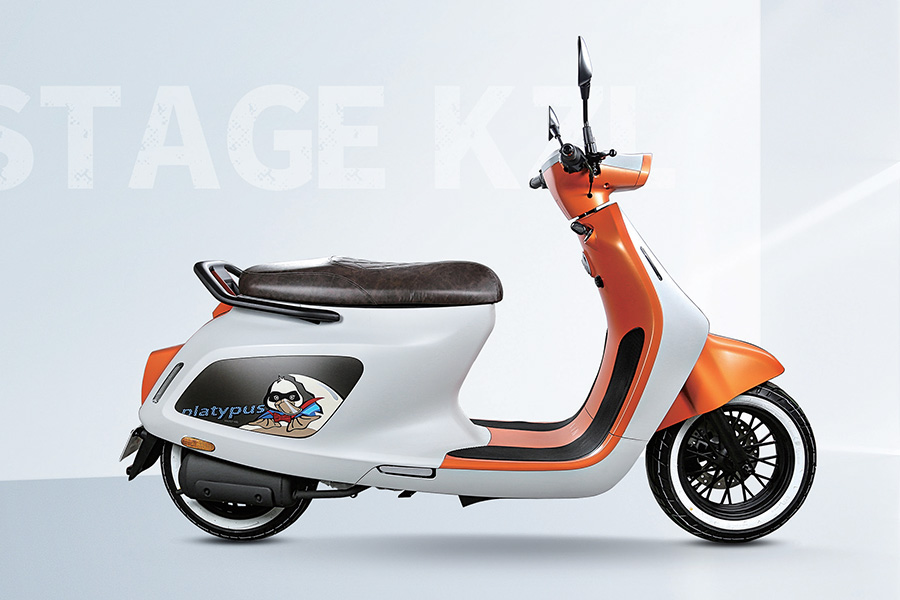
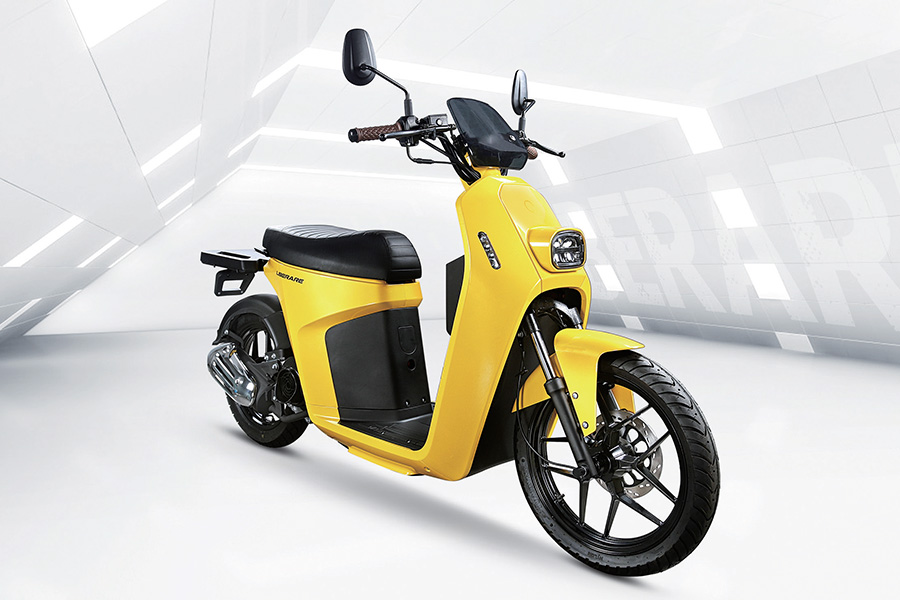
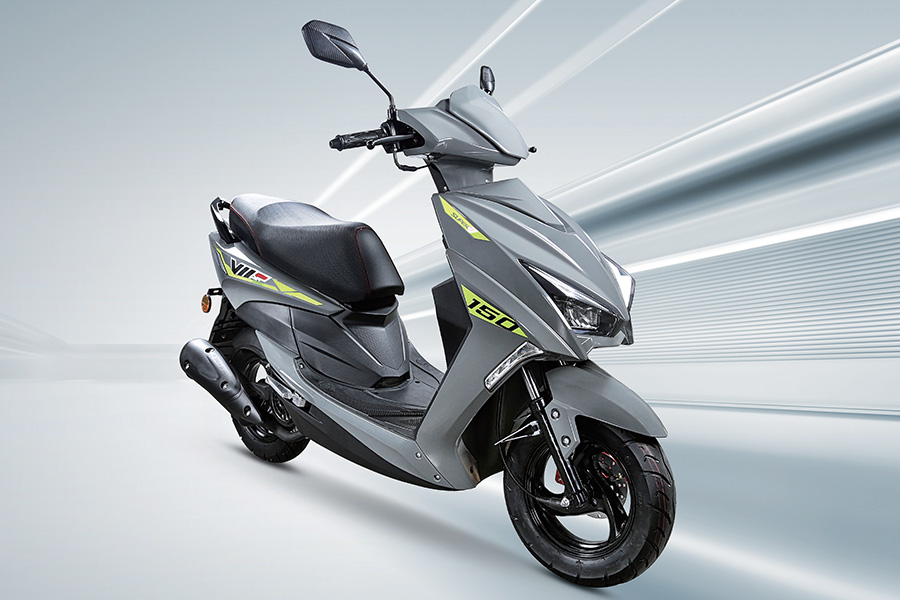
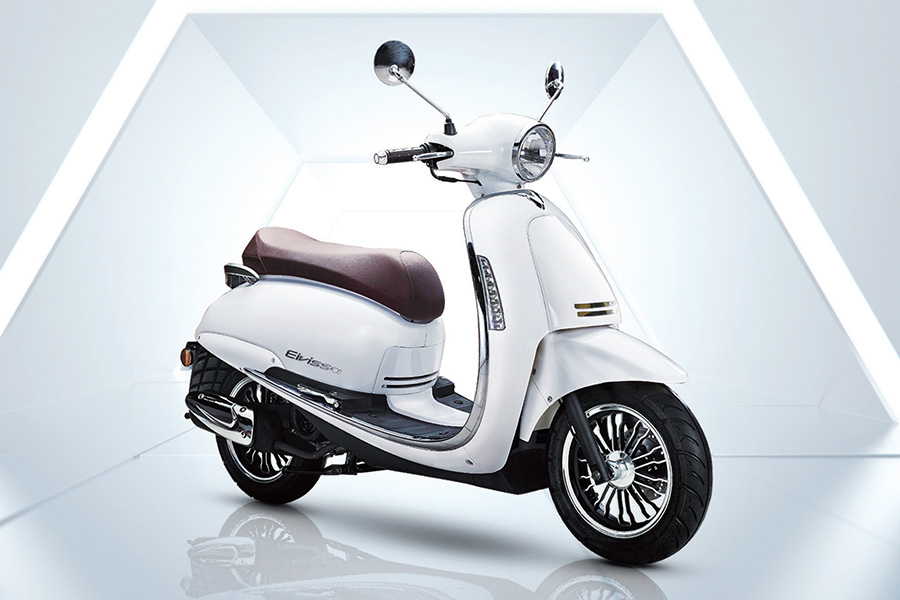
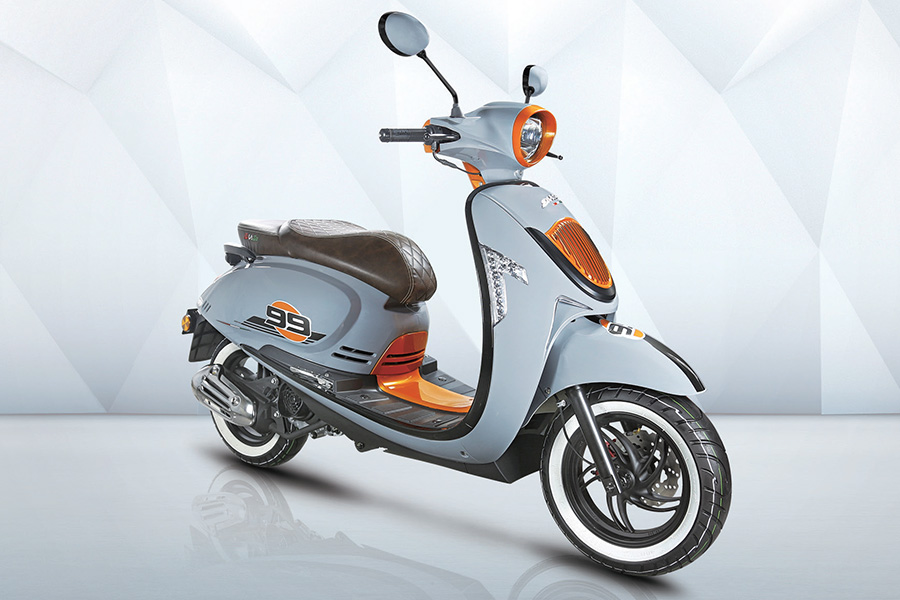
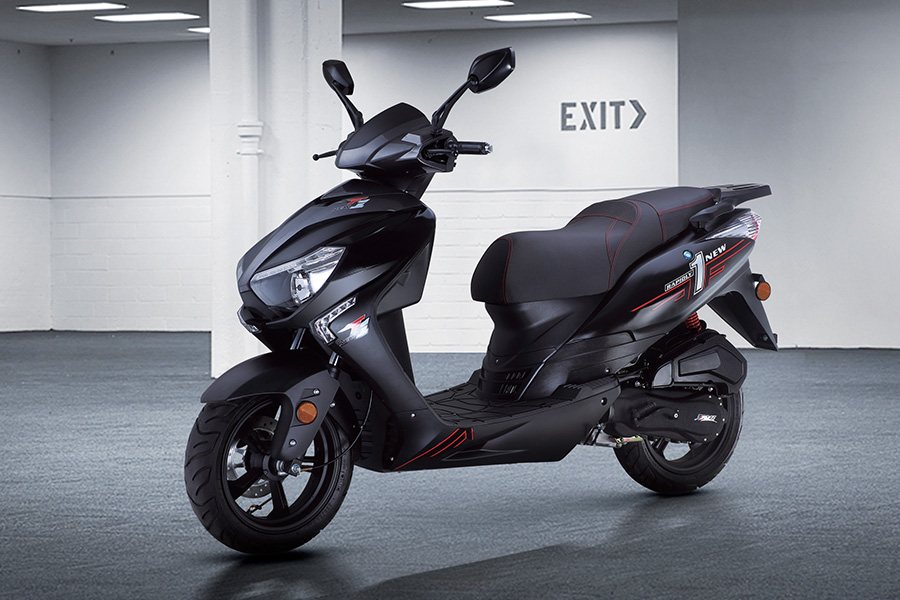
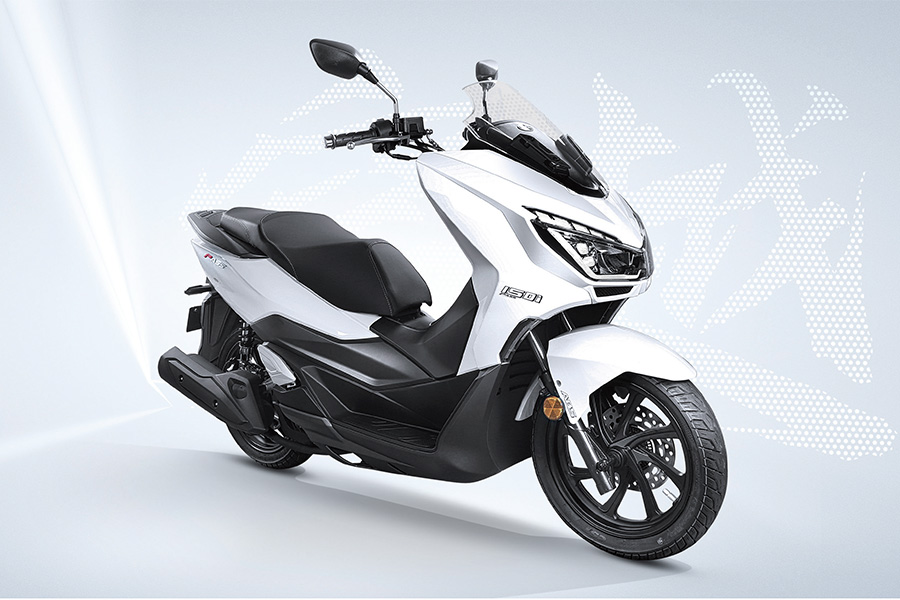
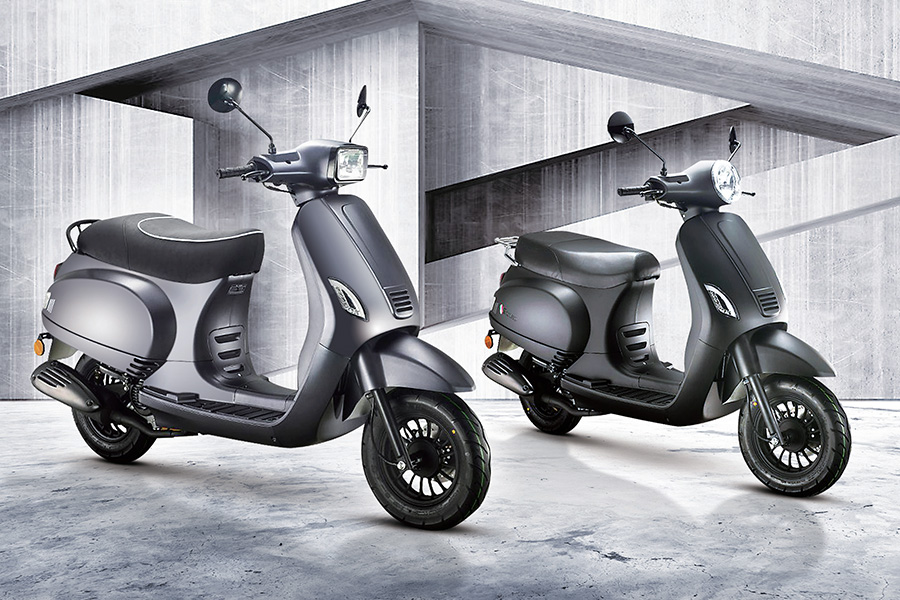
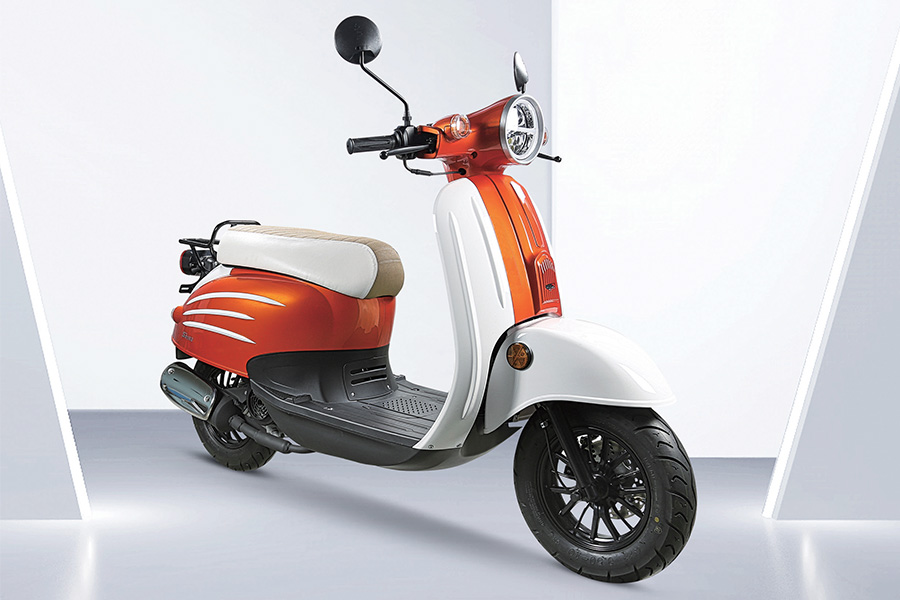
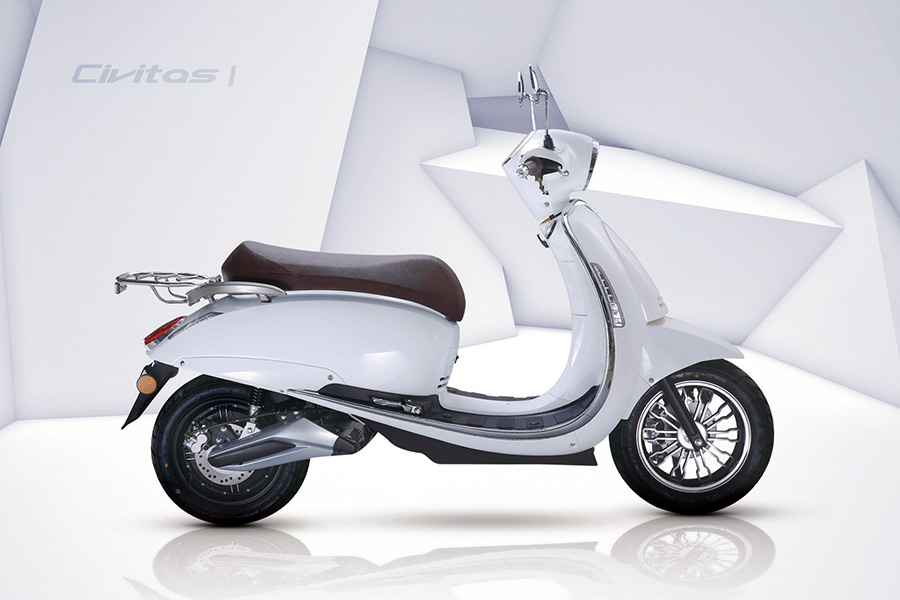
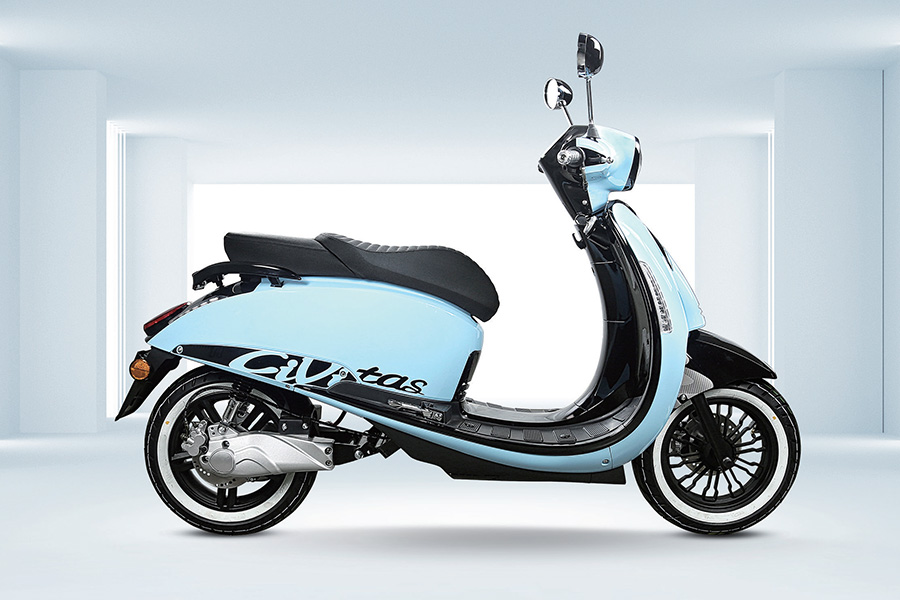
Design trends are changing as manufacturers compete to attract different consumer groups. Some electric mopeds feature retro-inspired appearances with rounded headlights and classic frame shapes, while others use sharp lines and digital displays aimed at younger riders interested in modern styling. Color customization, smart dashboard systems, and integrated lighting packages are becoming more common as brands focus on combining functionality with visual appeal.
Delivery services are contributing to increased interest in electric mopeds as well. Restaurants, grocery platforms, and courier companies often require vehicles capable of navigating dense traffic while supporting lower operating costs. Electric mopeds can help reduce fuel-related expenses and simplify maintenance in comparison with traditional gasoline-powered scooters. Their relatively quiet operation is also viewed positively in residential areas where noise reduction has become an important consideration.
Technology integration is becoming another important trend in the electric moped sector. Mobile applications can now connect riders to vehicle diagnostics, battery status monitoring, GPS navigation, and anti-theft systems. Some models support keyless starting functions and remote locking features through smartphone connectivity. These digital tools are helping electric mopeds appeal to consumers who expect transportation products to integrate smoothly with daily mobile technology use.
Safety improvements are also receiving attention from manufacturers and regulators. Disc braking systems, LED lighting, traction control features, and improved suspension structures are appearing in a wider range of models. Some companies are additionally exploring smart safety systems that can provide riding alerts or track vehicle stability during operation. Helmet regulations and urban traffic rules continue influencing how electric mopeds are introduced into different transportation environments.
Weather resistance and durability are becoming increasingly important in product development as electric mopeds are used in varied climates. Manufacturers are improving waterproofing around battery compartments and electrical systems to support operation during rain and humid conditions. Tire design and frame stability are also being adjusted to improve handling on different road surfaces commonly found in urban and suburban environments.