

 俄语
 西班牙语
 阿拉伯语
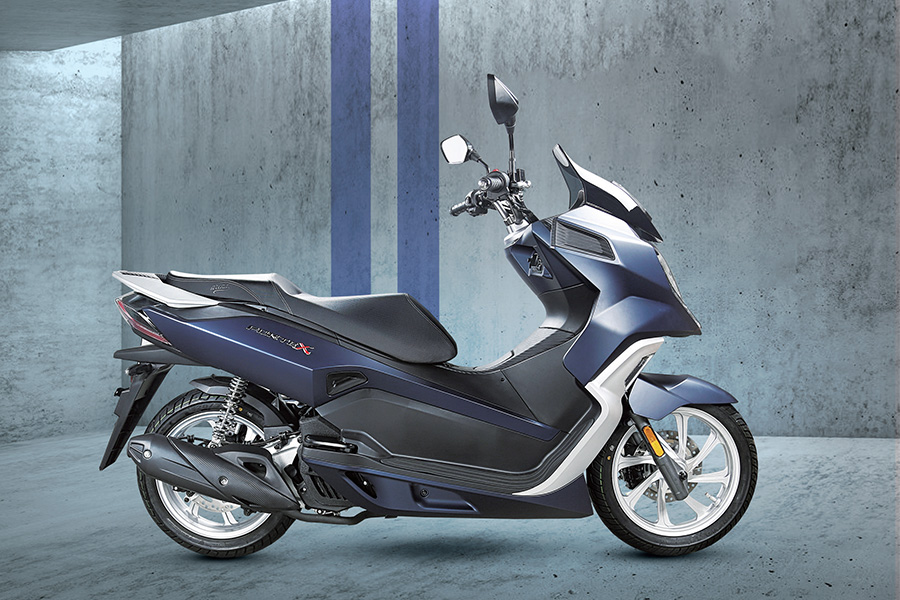
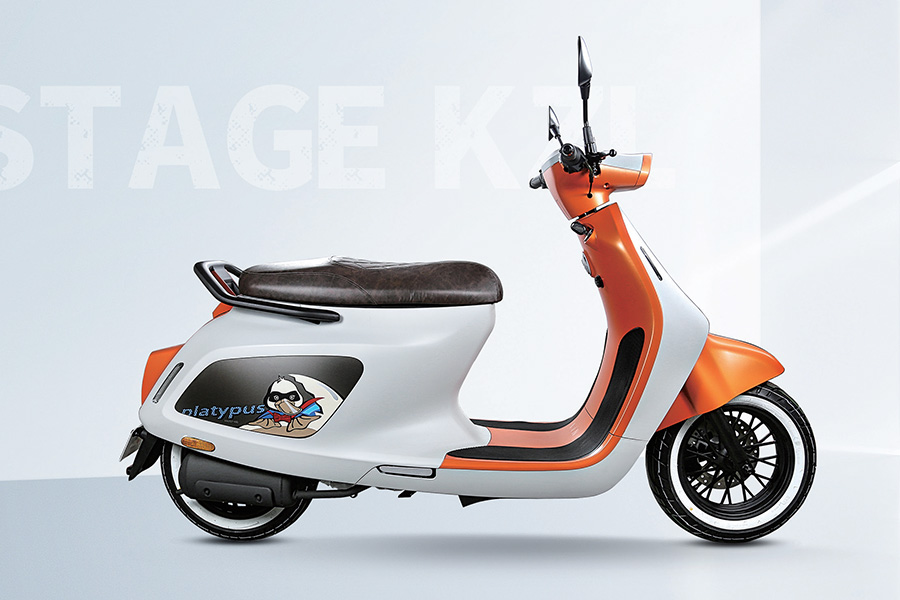
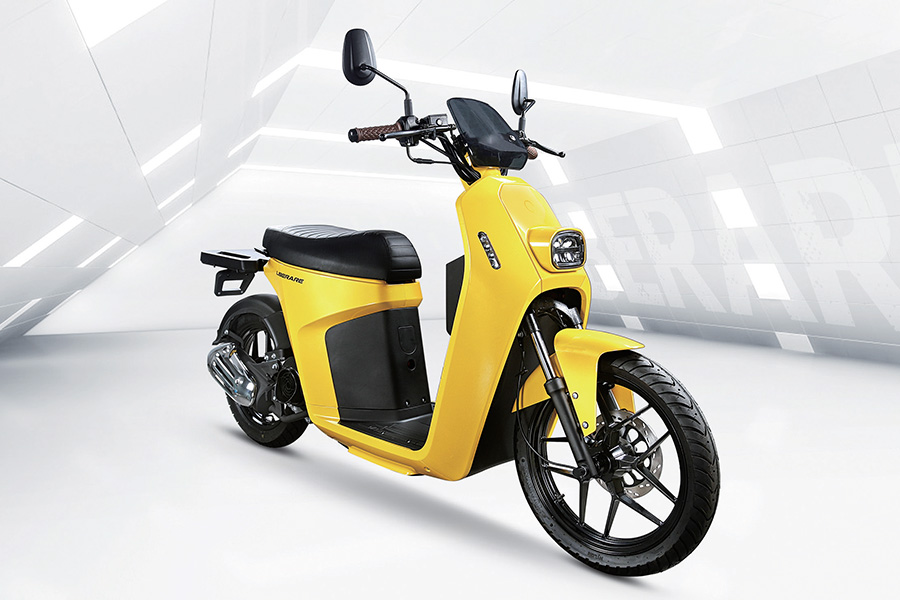
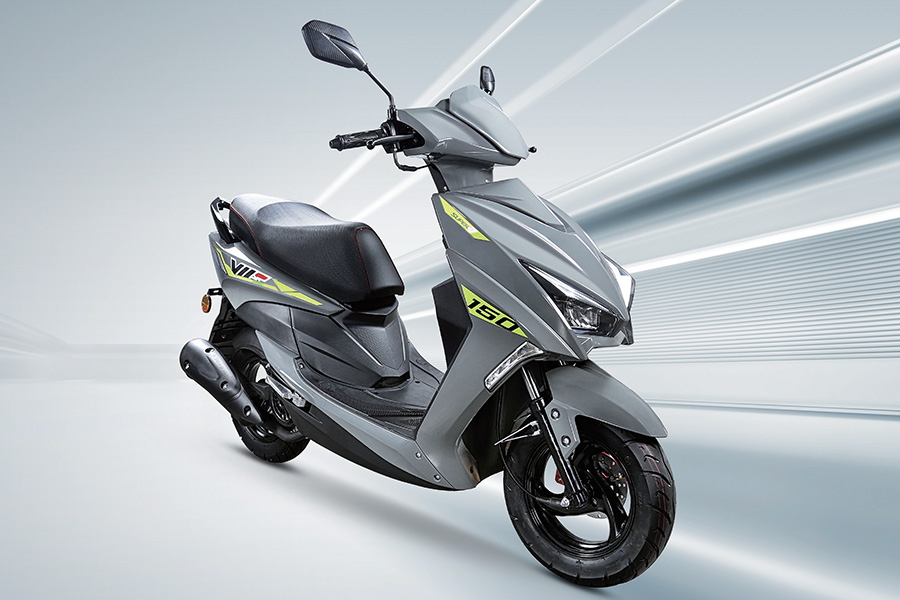
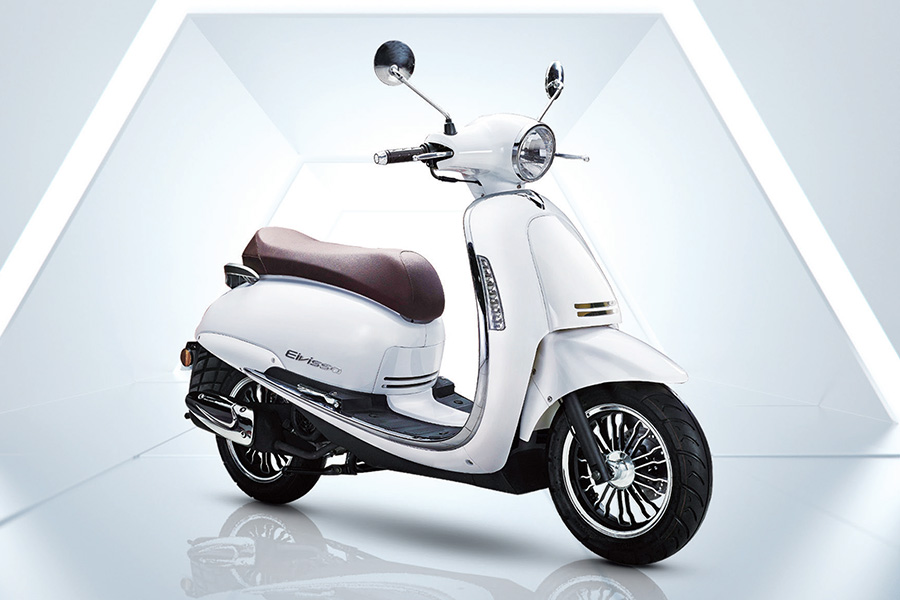
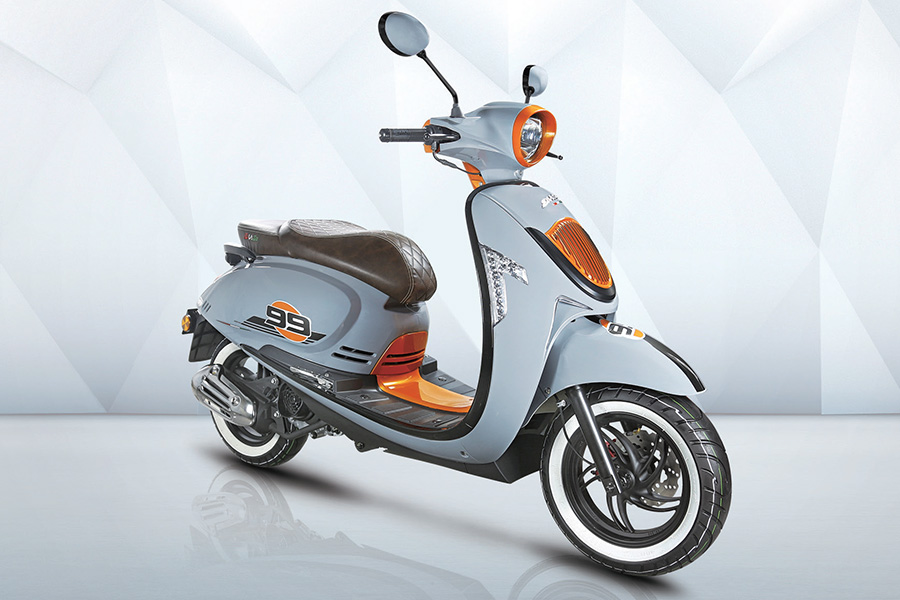
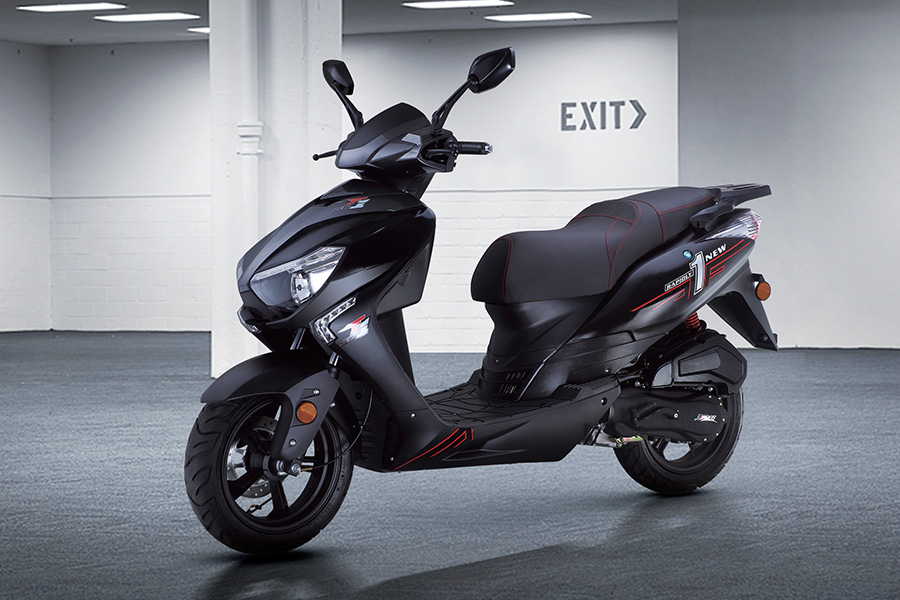
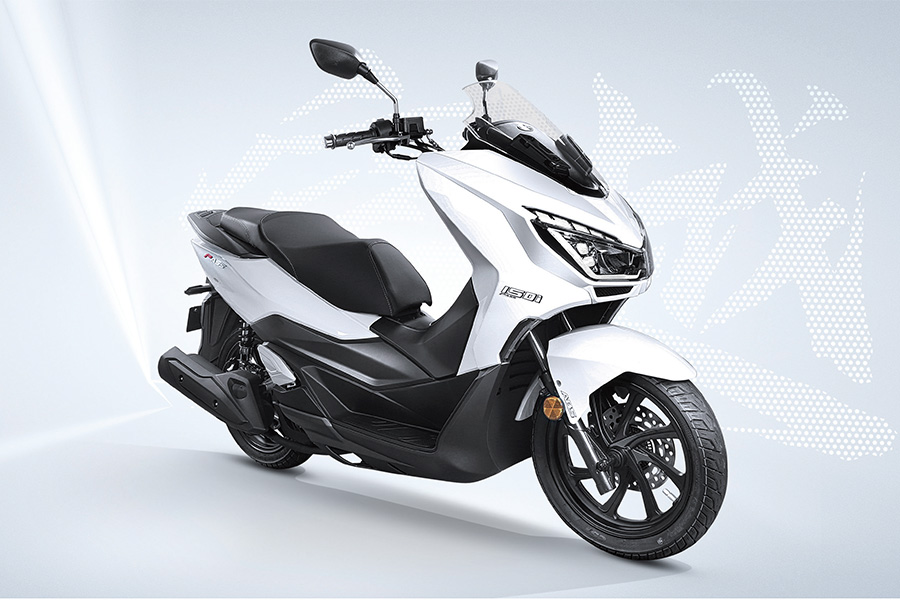
Electric mopeds offer a straightforward way to cover short distances without the bulk of a larger vehicle. Their compact frames, quiet motors, and simple controls make them a familiar sight on city streets and neighborhood paths. Riders often turn to them for quick errands, campus travel, or the final stretch of a longer commute.
Everyday Situations Where Electric Mopeds Fit
Morning coffee runs become simpler when an electric moped waits outside. The rider can weave through light traffic, park near the entrance, and return home without circling for space. Students moving between classes or apartments appreciate the speed that still feels manageable on campus roads. Delivery workers in dense neighborhoods use them to reach multiple stops in a single loop.
Weekend trips to the local market or a friend’s house also suit these machines. The rider loads a small bag or backpack and covers the distance in less time than walking yet with more flexibility than waiting for a bus. In areas with mixed traffic, the electric moped stays visible and responsive, helping the rider keep a steady pace.
Design Elements That Support Daily Riding
Most electric mopeds feature a low center of gravity that aids balance at low speeds. The seat height allows both feet to reach the ground when stopped, which builds confidence for newer riders. Digital displays show battery level and current speed in clear numbers so the rider can plan the remaining distance.
Wheels are sized for urban surfaces—smooth enough for pavement yet sturdy enough for occasional rough patches. Suspension systems soften small bumps without adding complexity. Lights and reflectors improve visibility during early morning or evening rides. These elements work together to keep the focus on the ride rather than on managing the machine.
Range and Charging Considerations
Battery capacity determines how far an electric moped can travel on a single charge. Typical ranges cover the needs of local trips, such as several miles of mixed city riding. Riders often charge overnight at home using a standard outlet, so the moped sits ready the next morning.
Some models allow the battery to be removed for indoor charging when outdoor outlets are limited. The process remains simple: plug in, wait for the indicator to show full, and reinstall. This routine fits into ordinary schedules without requiring special equipment or long waits.
Handling Different Road Conditions
On smooth city streets an electric moped accelerates gently and holds a steady speed with little effort. The quiet motor lets the rider hear nearby traffic and pedestrian sounds. At intersections the responsive brakes bring the machine to a controlled stop.
Light hills require a bit more throttle, yet the motor delivers consistent power without shifting gears. Wet pavement calls for smoother inputs on the throttle and earlier braking. Narrow lanes and bike paths suit the slim width, allowing the rider to stay in designated areas when available. These handling traits help the electric moped blend into varied urban environments.
The electric moped earns its place through quiet usefulness. It appears on city streets and neighborhood paths because it solves a common need: covering short distances with less effort than walking and more flexibility than larger vehicles. Its design stays straightforward, its operation stays simple, and its value shows up every time a rider reaches a destination without extra steps. In daily urban life, the electric moped continues to serve as a practical companion for those who value ease and mobility.