

 俄语
 西班牙语
 阿拉伯语
Why Are Gasoline Scooters Still Used for Daily Travel?
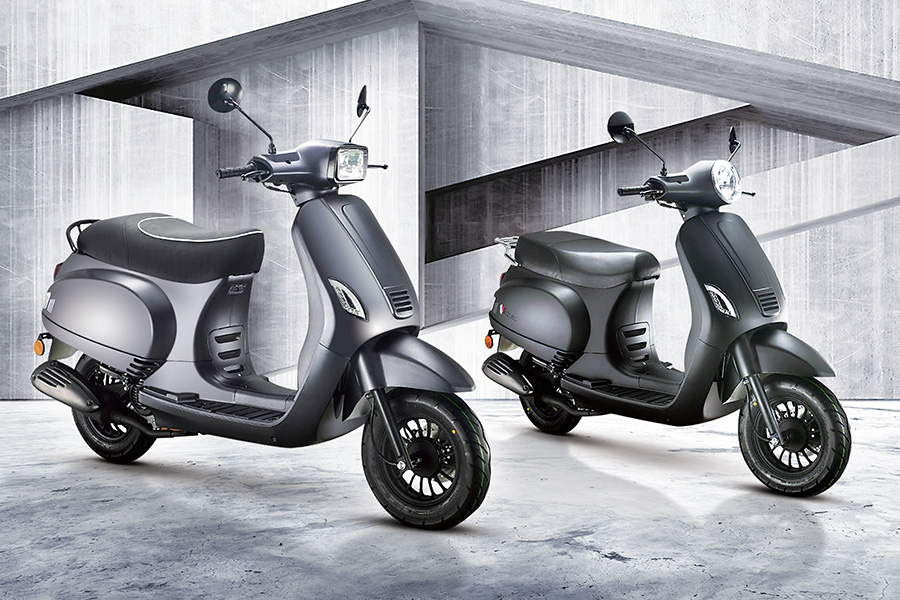
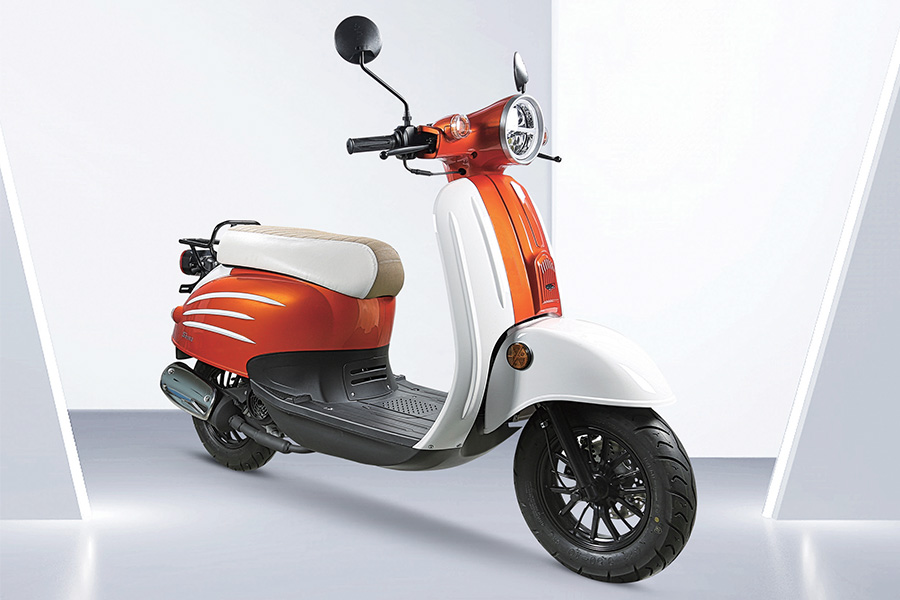
For adults who need a compact way to travel between home, work, shops, and nearby destinations, gasoline scooters offer an alternative to cars and larger motorcycles. Their small frame and motorized design make them suitable for short urban trips, neighborhood travel, and some suburban routes. Depending on the model, a gasoline scooter may also provide storage space for personal items or a passenger seat for shared journeys.
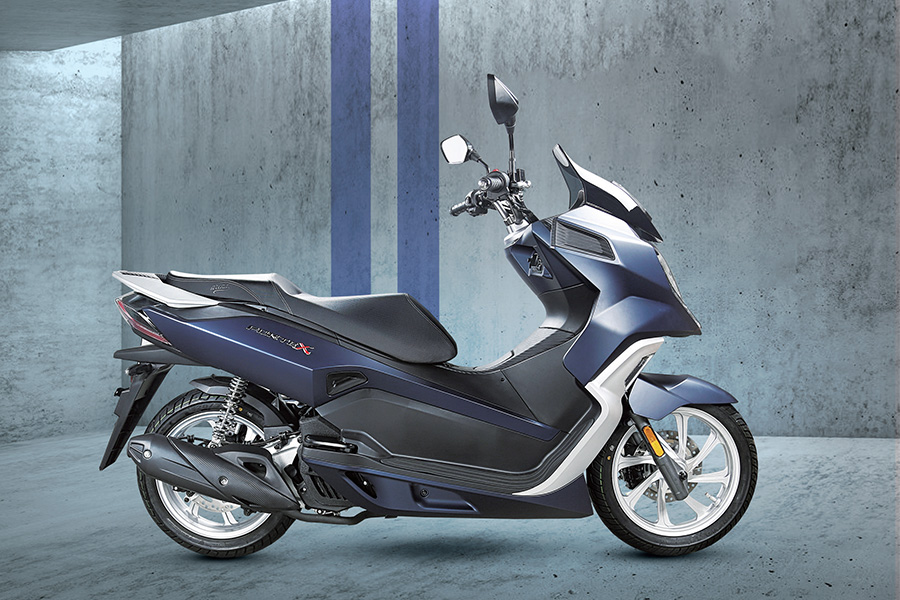
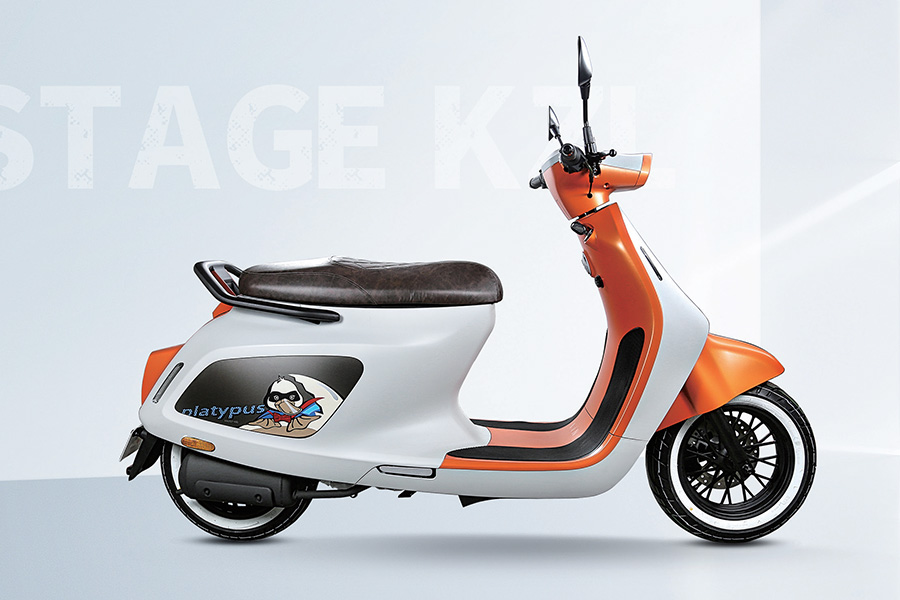
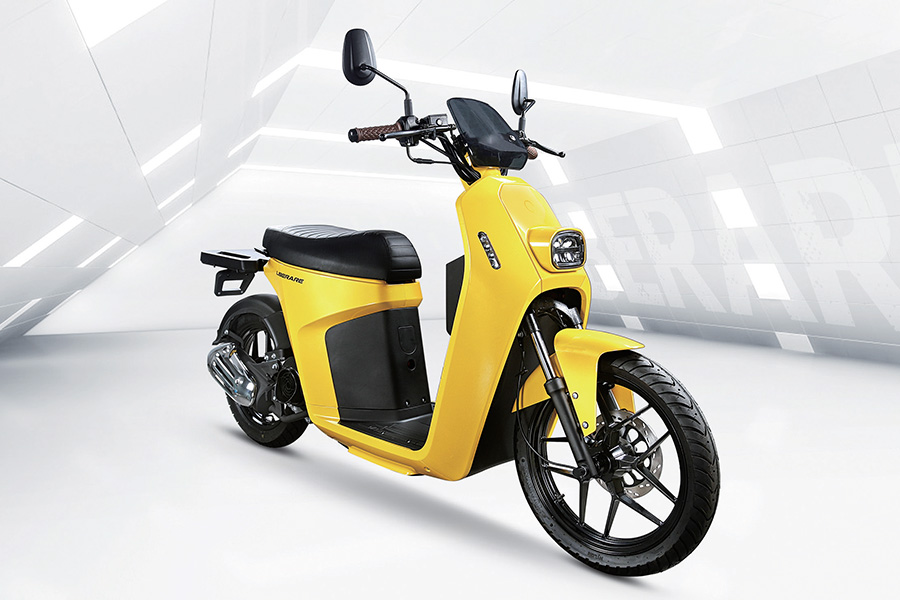
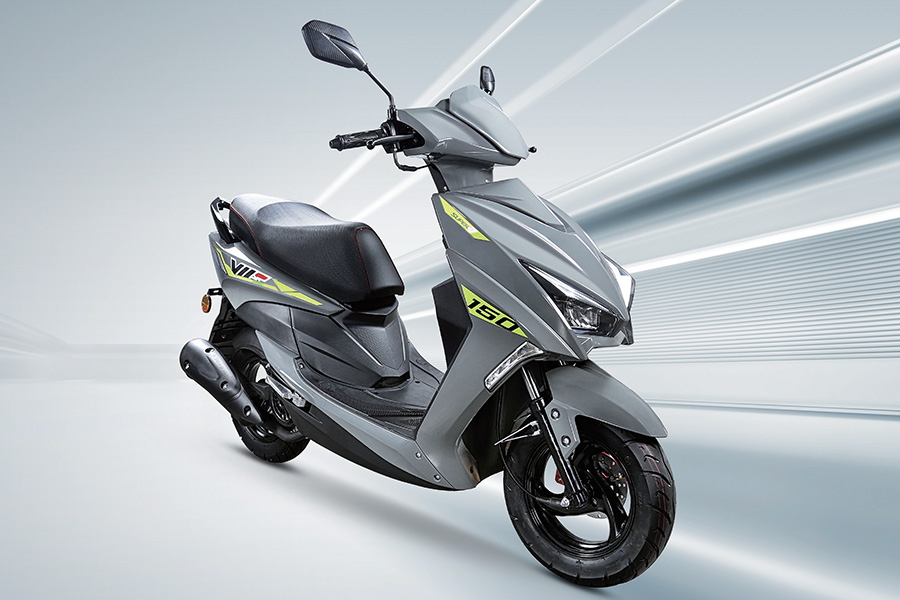
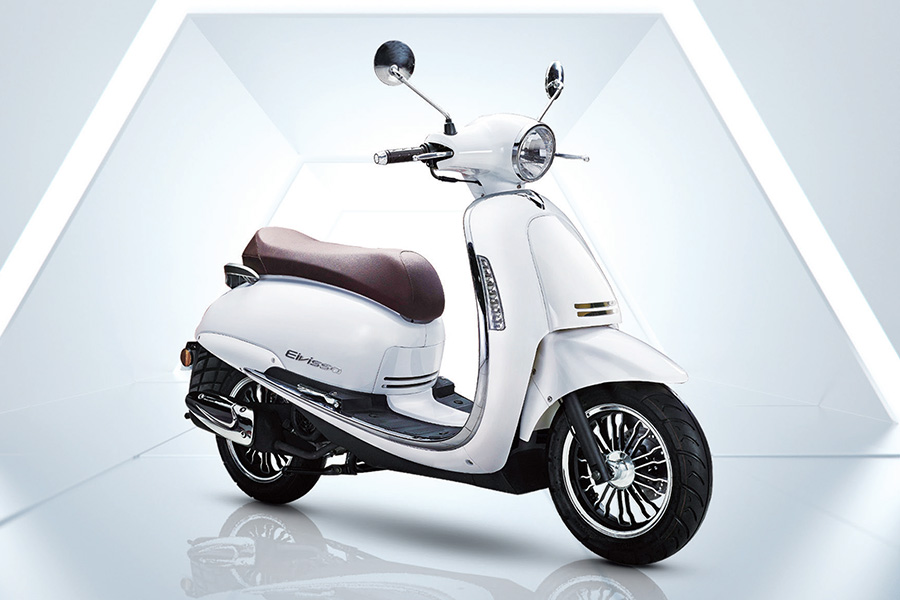
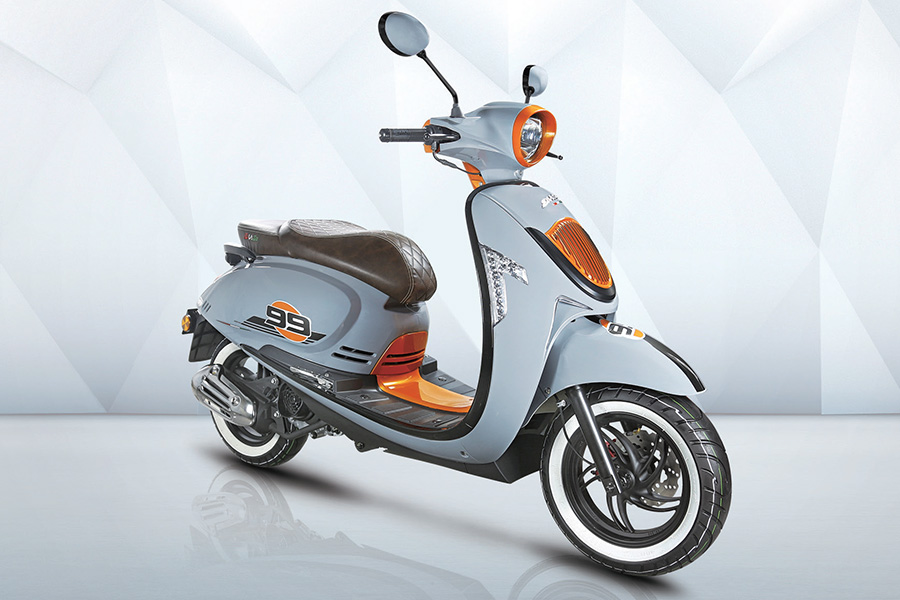
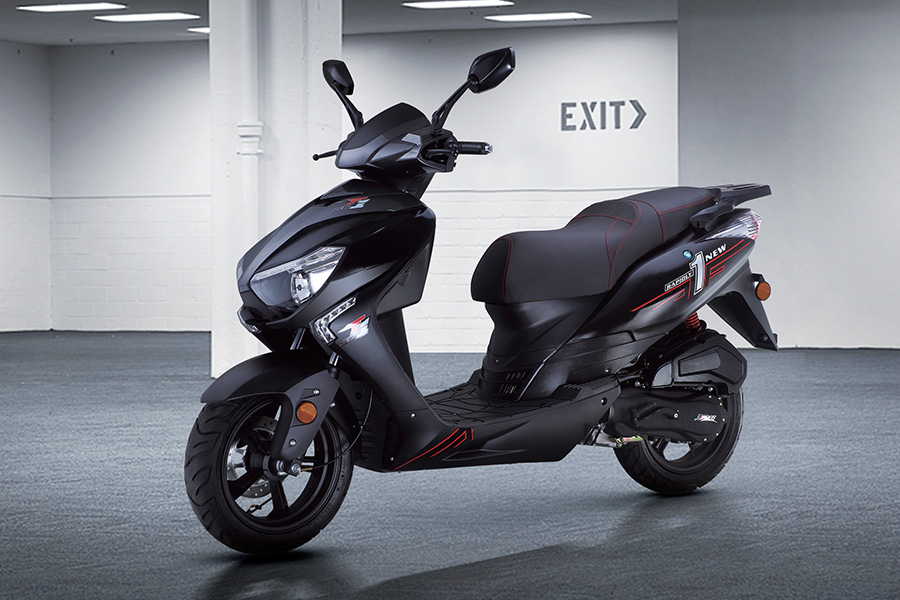
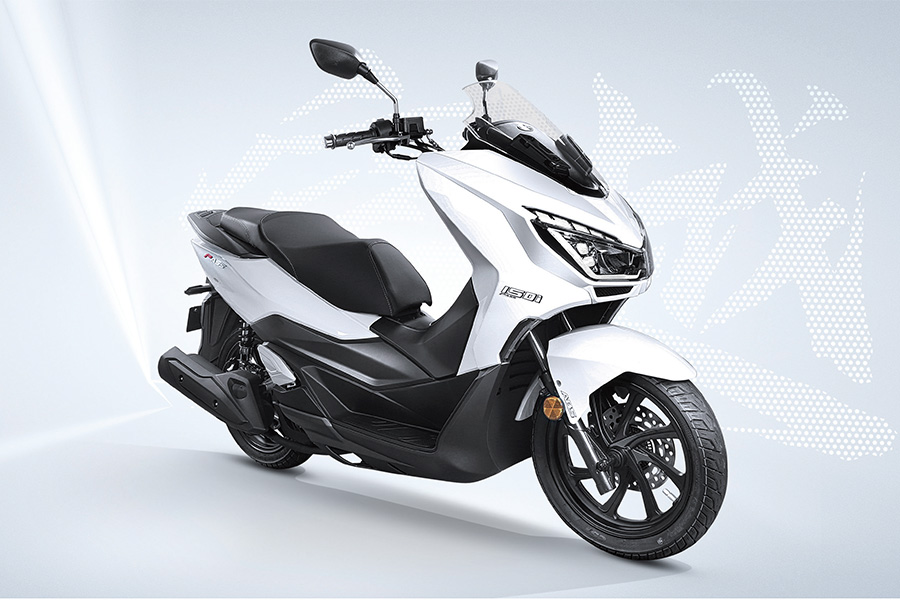
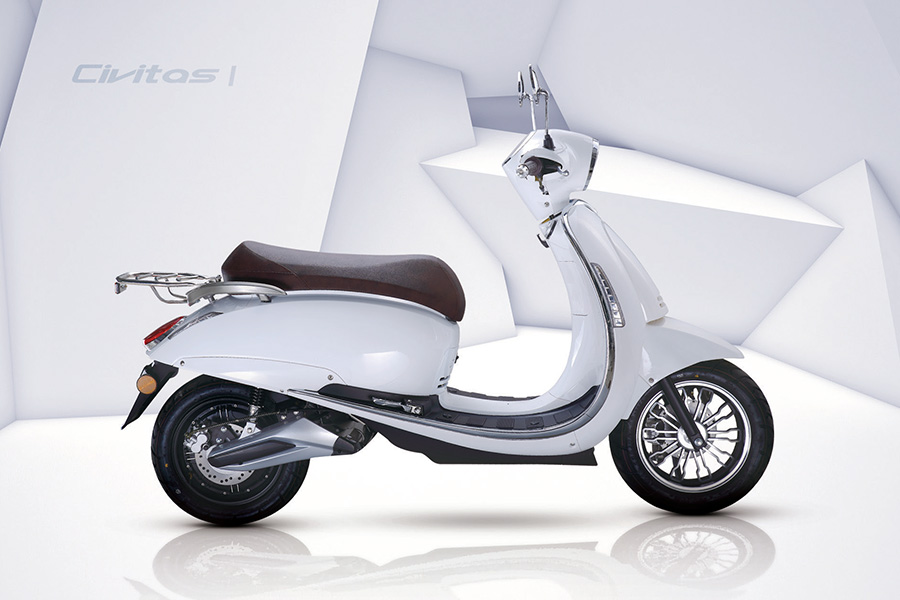
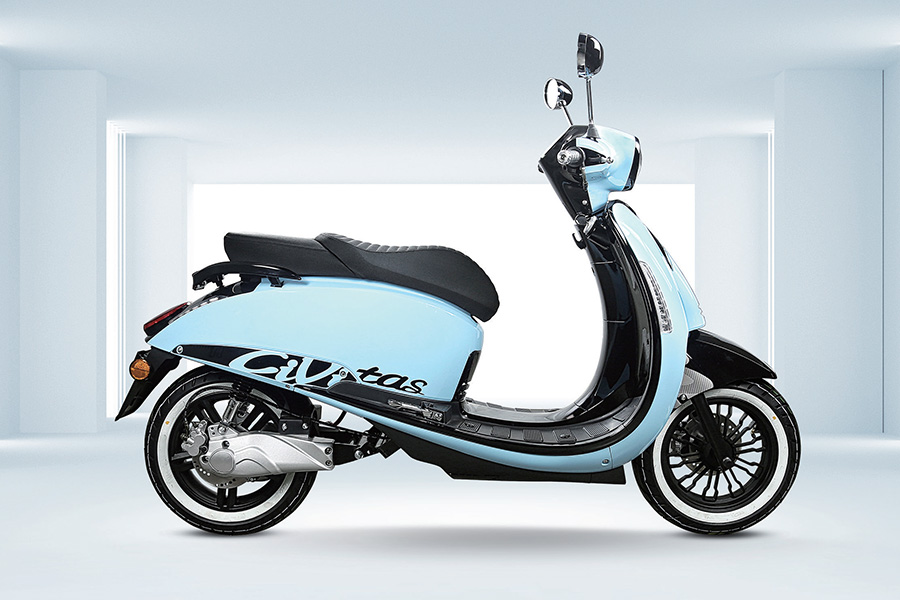
Gasoline Scooters For Adults are available in different engine sizes, body styles, and seat configurations. Choosing a suitable model involves considering the distance traveled, road conditions, rider comfort, storage needs, and the type of performance expected during regular use.
How Do Gasoline Scooters Work?
A gasoline scooter uses an internal combustion engine to convert fuel into mechanical power. The engine drives the rear wheel through a transmission system, allowing the scooter to accelerate and maintain movement.
Many scooters use an automatic continuously variable transmission (CVT). This system adjusts the transmission ratio as the scooter accelerates, so the rider does not need to change gears manually. The result is a straightforward riding experience for people who prefer simple controls during stop-and-go travel.
Typical components include:
- Engine: Produces the power needed to move the scooter.
- Fuel tank: Stores gasoline for the engine.
- Transmission: Transfers engine power to the drive wheel.
- Braking system: Helps the rider control and reduce speed.
- Suspension: Absorbs some road irregularities and contributes to ride comfort.
- Instrument panel: Displays information such as speed and fuel level.
Component layouts and specifications vary by model, so these features should be checked when comparing different scooters.
Engine Size and Performance Considerations
Engine displacement is one factor that influences how a gasoline scooter performs. It is usually measured in cubic centimeters (cc), although displacement alone does not determine acceleration, fuel consumption, or speed.
Smaller-displacement models are commonly associated with neighborhood trips and short urban journeys. Models with larger engines may provide additional power for carrying a passenger or traveling on routes with changing gradients, depending on the scooter's design and rated capacity.
When comparing Gasoline Scooters For Adults, consider the relationship between engine output, vehicle weight, transmission design, and intended riding conditions. A scooter used mainly on flat city streets may have different requirements from one regularly traveling through hilly areas.
What Design Features Affect Rider Comfort?
A scooter's physical design influences how it feels during everyday travel. Seat shape, handlebar position, footboard space, and suspension layout all contribute to the riding experience.
Seating and Riding Position
A broad seat can provide room for different sitting positions, while an upright handlebar layout may help riders maintain a relaxed posture. Seat height is also important because it affects how easily a rider can place their feet on the ground when stopping.
Wheels, Tires, and Suspension
Wheel size and tire design affect how a scooter responds to road surfaces. Suspension components help absorb bumps, while the frame geometry influences handling. These features should be considered together rather than evaluated separately.
Storage and Everyday Convenience
Some gasoline scooters include an under-seat compartment, a front storage pocket, or provisions for a luggage box. These features can help riders carry small shopping bags, work essentials, or personal belongings. Storage capacity and weight limits vary, so the available space should match the intended use.