

 俄语
 西班牙语
 阿拉伯语
Short-distance movement of people or light loads remains a regular need in many commercial and facility settings. Gasoline Mopeds address this through compact two-wheeled vehicles powered by small internal combustion engines. Factories that produce these units focus on frames, engines, and control layouts that support repeated daily use by operators who need reliable local mobility.
Core Structure and Components
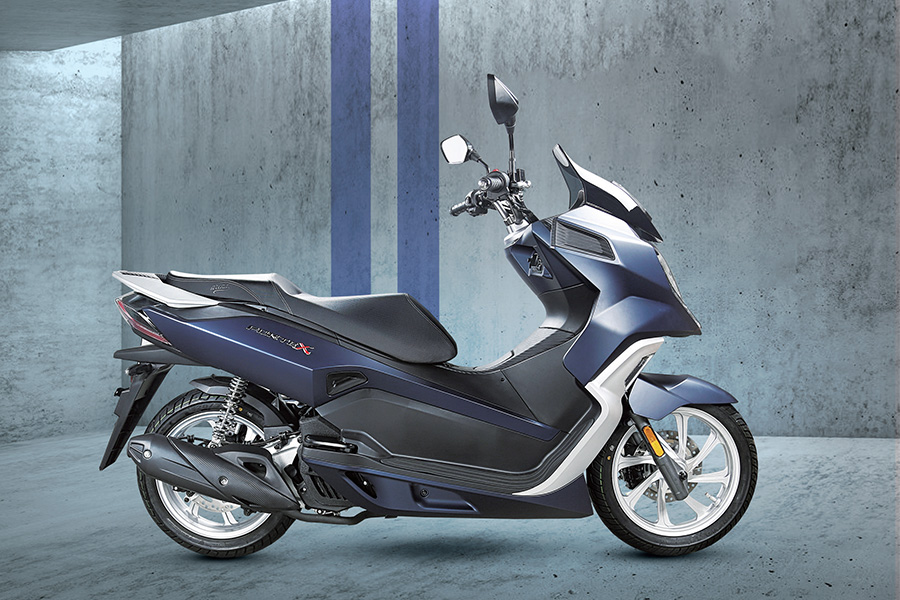
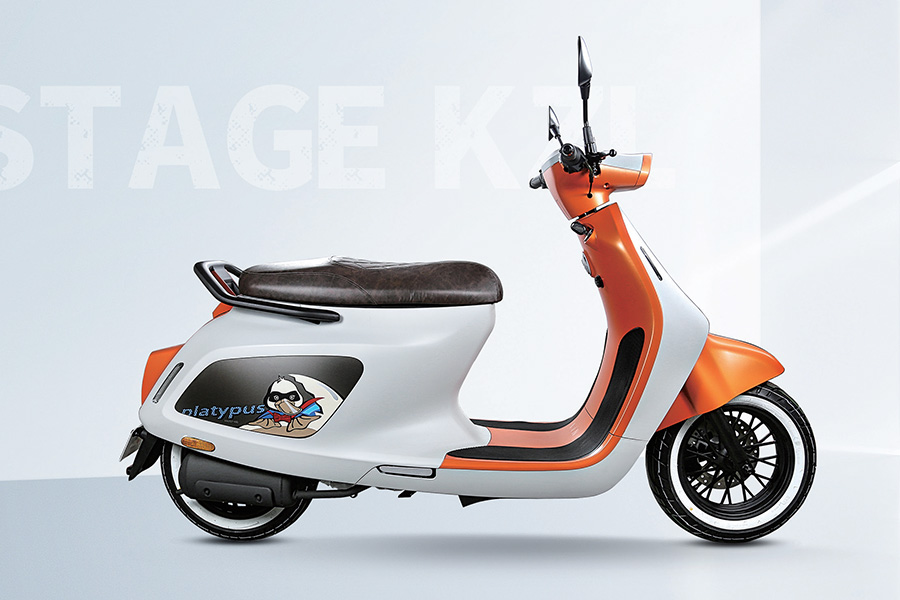
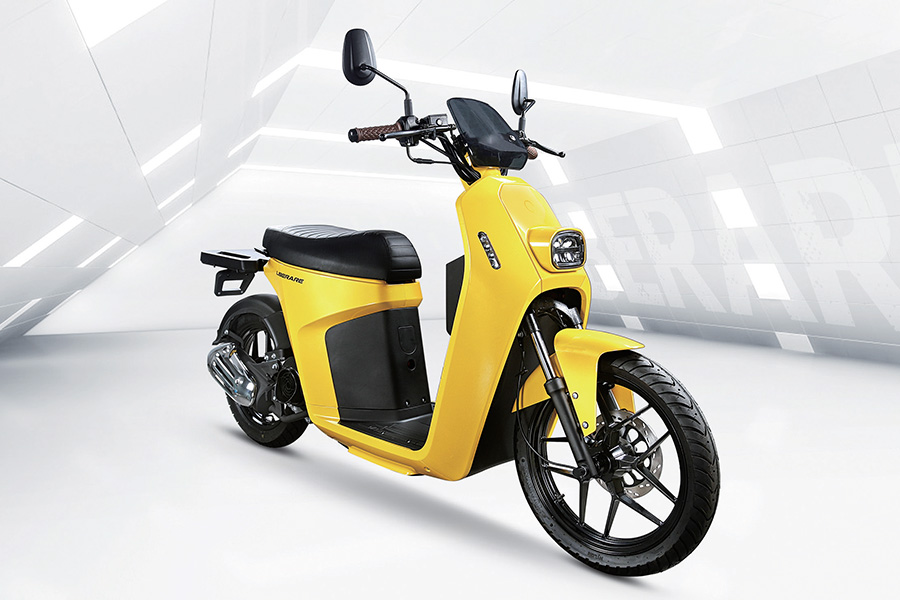
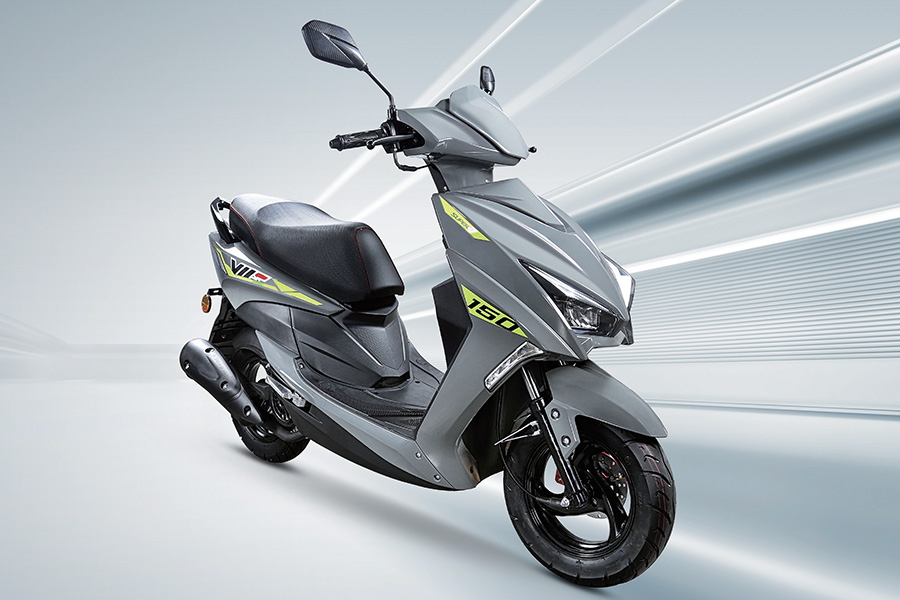
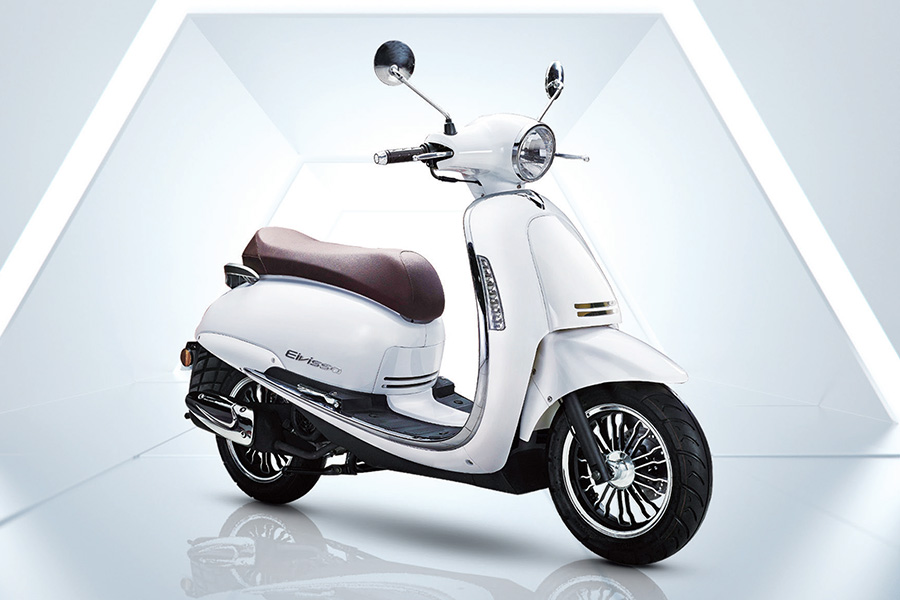
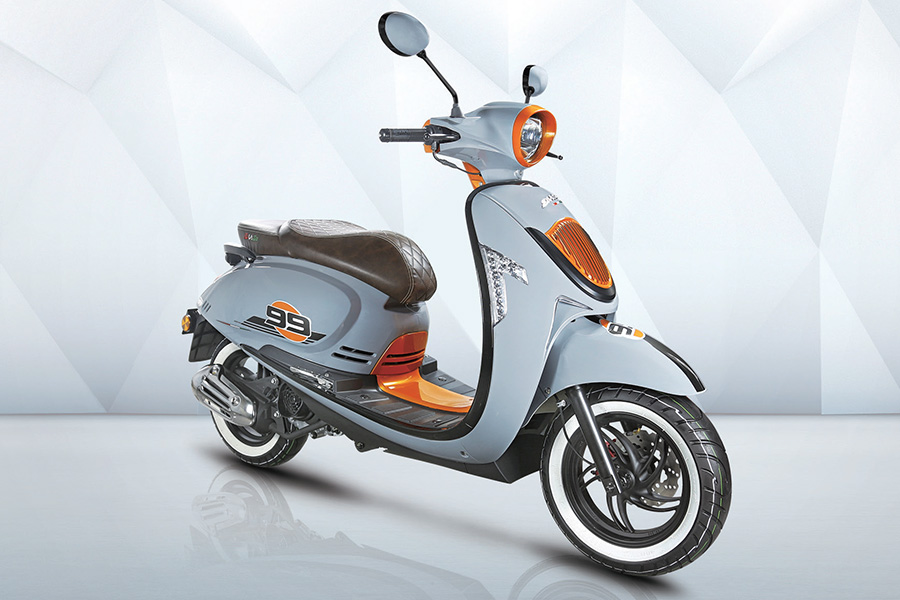
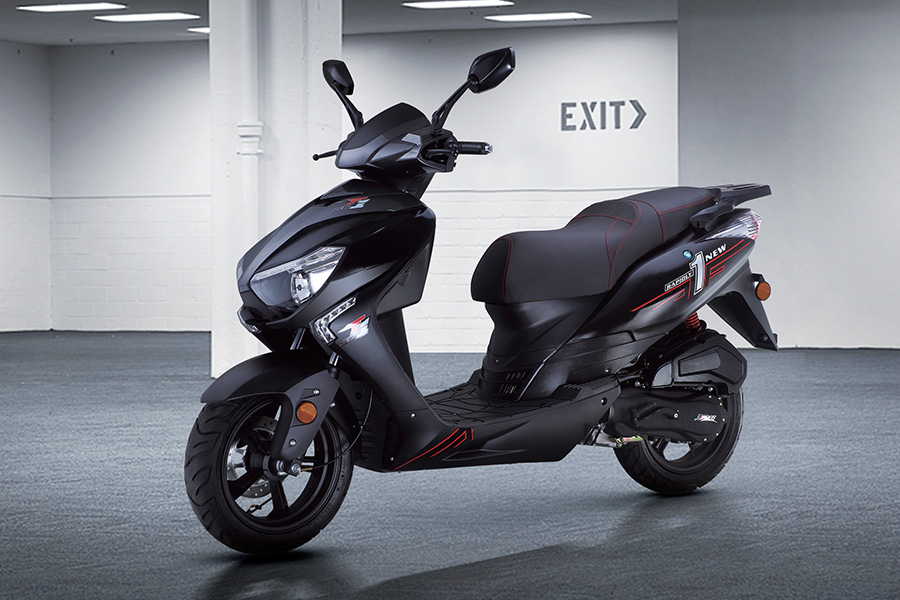
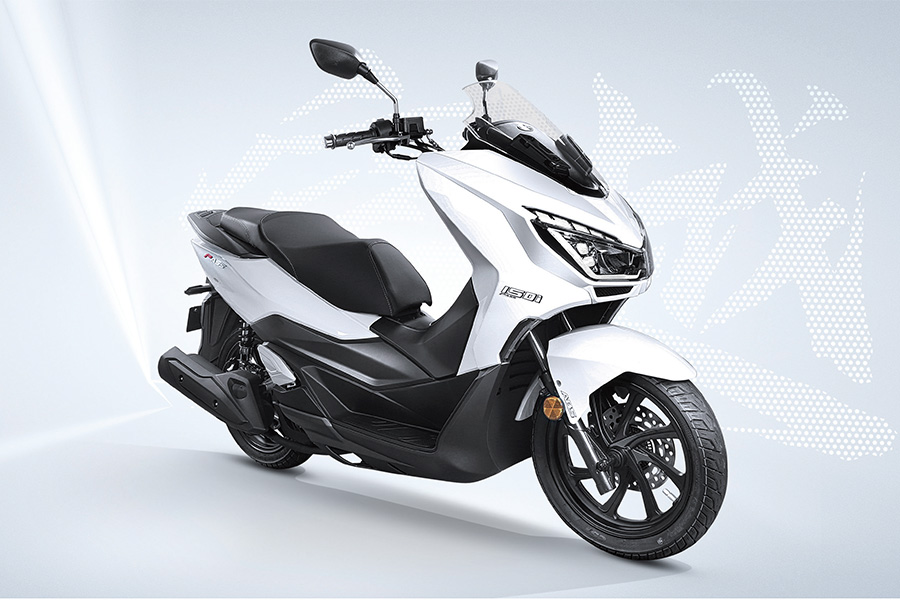
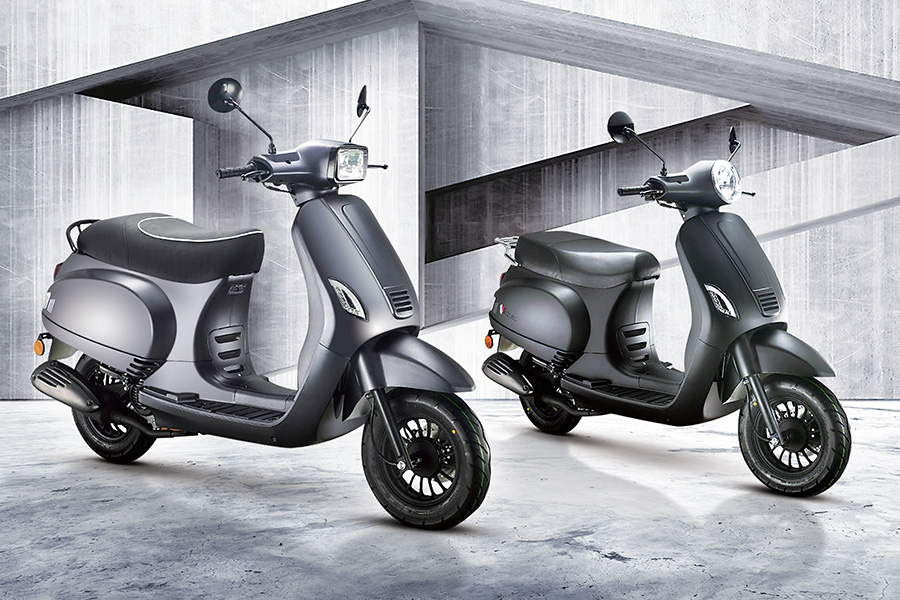
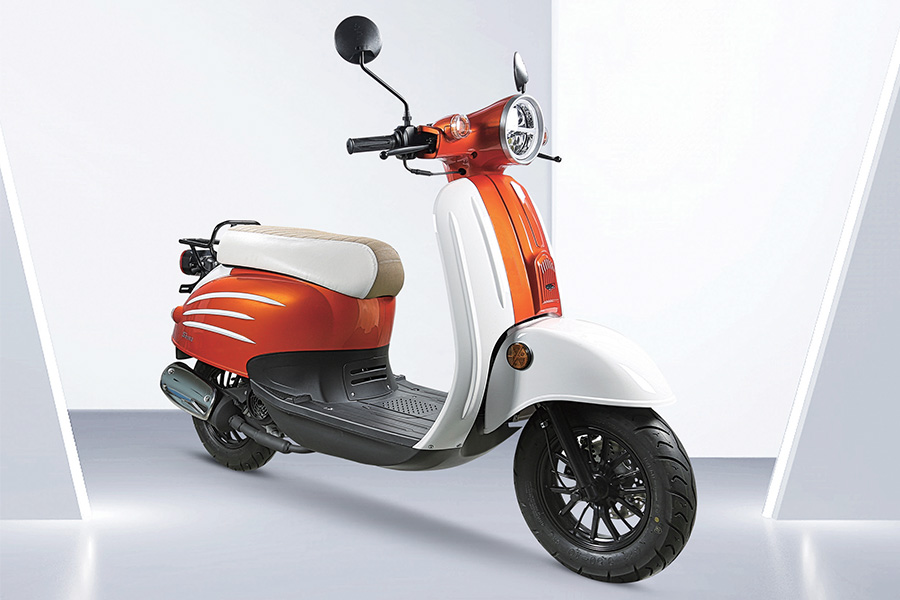
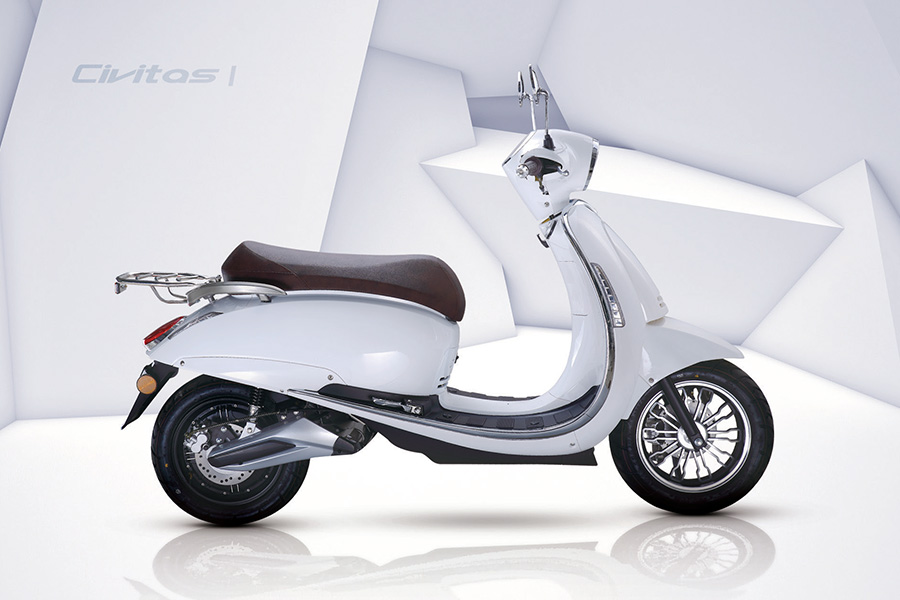
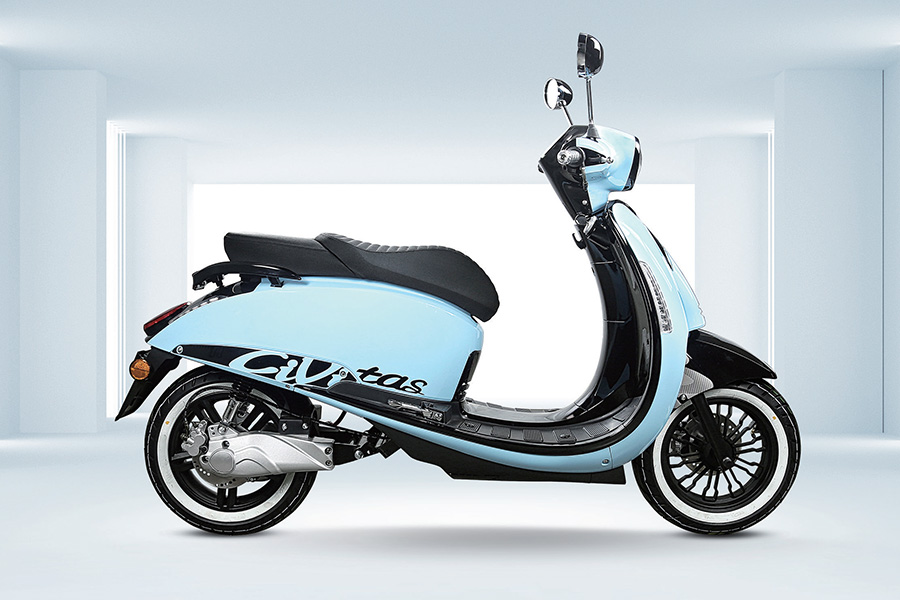
A typical unit in the Gasoline Mopeds category combines a tubular steel or alloy frame with a single-cylinder engine, usually in the 50cc range. The frame carries the engine, fuel tank, seat, and wheels in a balanced layout that keeps the overall length and width modest. Front and rear suspension elements absorb bumps from paved or light unpaved surfaces. Brakes operate through mechanical or simple hydraulic systems on both wheels.
The engine mounts low in the frame for stability. Air cooling keeps the design straightforward, while a carburetor or basic fuel system delivers the mixture. A continuously variable transmission or simple gear arrangement transfers power to the rear wheel. Controls sit within easy reach: throttle on the right grip, brake levers on both sides, and a basic instrument cluster showing speed and fuel level.
Fuel capacity supports several hours of intermittent operation between refills. Seating accommodates one rider in configurations, with some models offering a small rear platform or rack for light cargo.
Practical Handling Characteristics
Operators value predictable response from Gasoline Mopeds during start-up, acceleration, and low-speed maneuvering. Electric start systems appear on many current designs, reducing the effort needed for frequent stops and restarts. Kick-start backups remain available on certain versions. Steering geometry allows tight turns in confined spaces such as warehouse yards or campus paths.
Weight distribution affects how the vehicle feels when ridden or parked. A low center of gravity helps maintain balance at slow speeds. Side stands or center stands provide stable parking on level ground. Some units include basic lighting for early morning or late afternoon operation within facility boundaries.
Cargo options expand utility. Rear racks or small baskets carry tools, documents, or packages. A few designs accept optional side bags or a modest towing hitch for light trailers within limited load ratings.
Common Applications in Work Environments
Facility teams use Gasoline Mopeds to move supervisors or technicians between buildings on large sites. The compact size lets riders navigate pathways that larger vehicles cannot enter easily. Delivery operations in dense urban or campus zones rely on them for short package runs where parking and traffic constraints favor two-wheeled options.
Security patrols on industrial or educational grounds cover routes more efficiently with a powered unit than on foot. Maintenance crews transport small parts or tools across spread-out plants. Event organizers move staff or light equipment between stations on temporary outdoor sites.
In each case, Gasoline Mopeds serve as point-to-point transport rather than long-distance vehicles. Their role centers on reducing walking time and enabling quicker response within a defined area.
Everyday Contribution to Operations
Gasoline Mopeds provide a practical middle option between walking and larger powered vehicles for short-range movement. Their combination of compact size, simple power delivery, and modest cargo capacity supports daily tasks that require frequent local travel.
By focusing on stable frames, accessible controls, and straightforward engine layouts, manufacturers supply tools that fit into existing facility and delivery routines. Buyers who match engine size, cargo features, and handling characteristics to their specific site conditions can equip teams with reliable local transport.
In regular use, Gasoline Mopeds help operators cover ground more efficiently while keeping the vehicle footprint small enough for crowded or restricted areas.