

 俄语
 西班牙语
 阿拉伯语
Understanding the Structure Behind a Compact Scooter
Compact two-wheel vehicles remain an important category in personal transportation markets. For vehicle distributors, importers, and regional dealers, product selection involves more than appearance. Engine configuration, frame structure, riding position, braking components, and storage arrangements all influence how a vehicle fits different customer requirements.
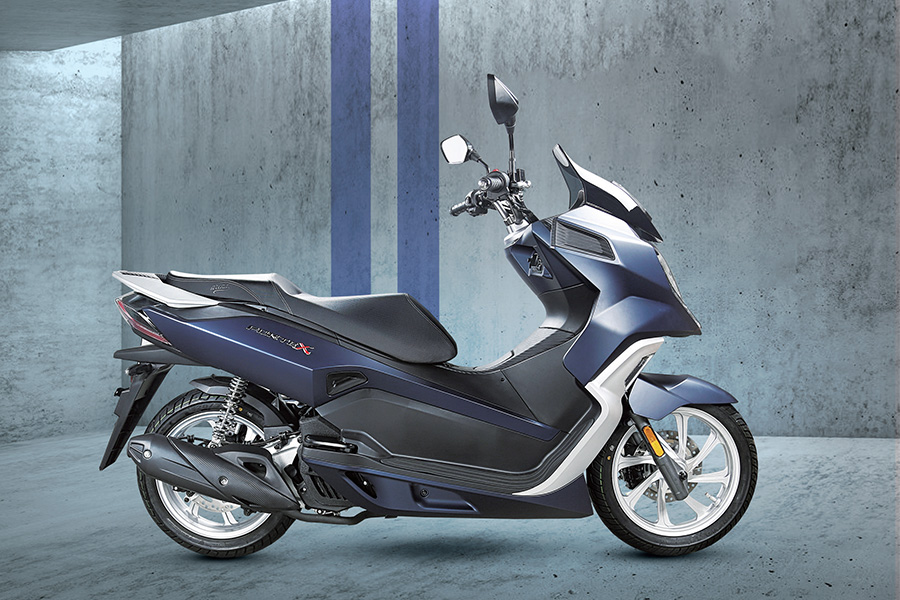
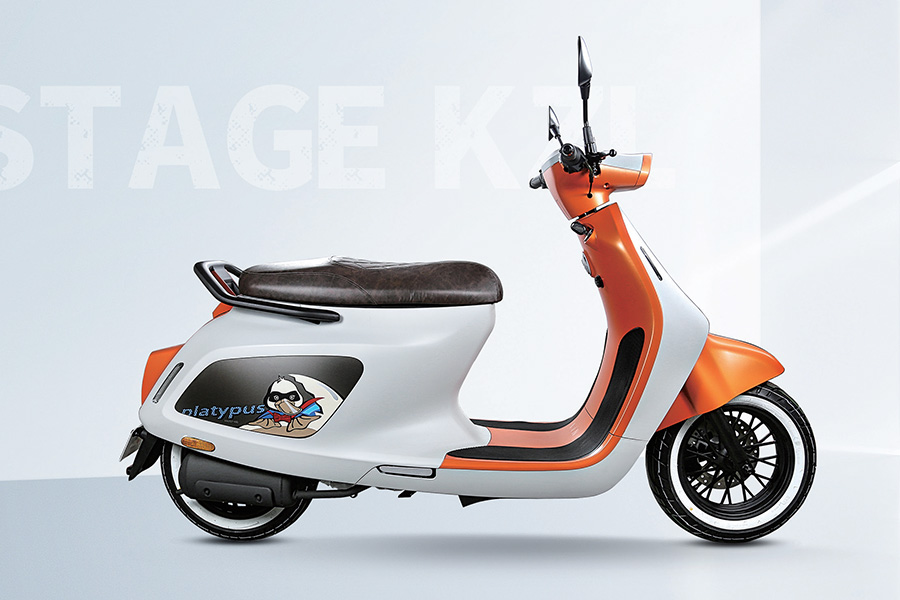
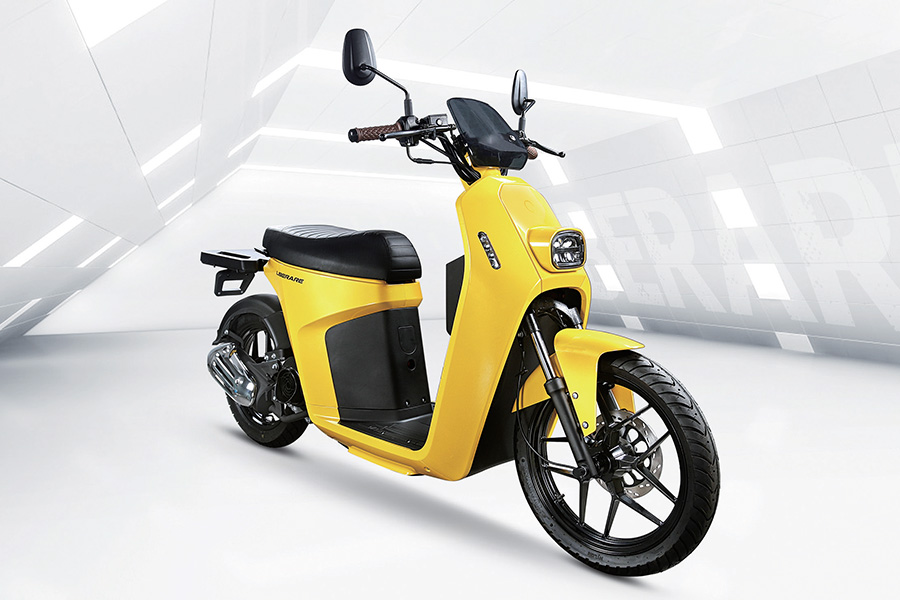
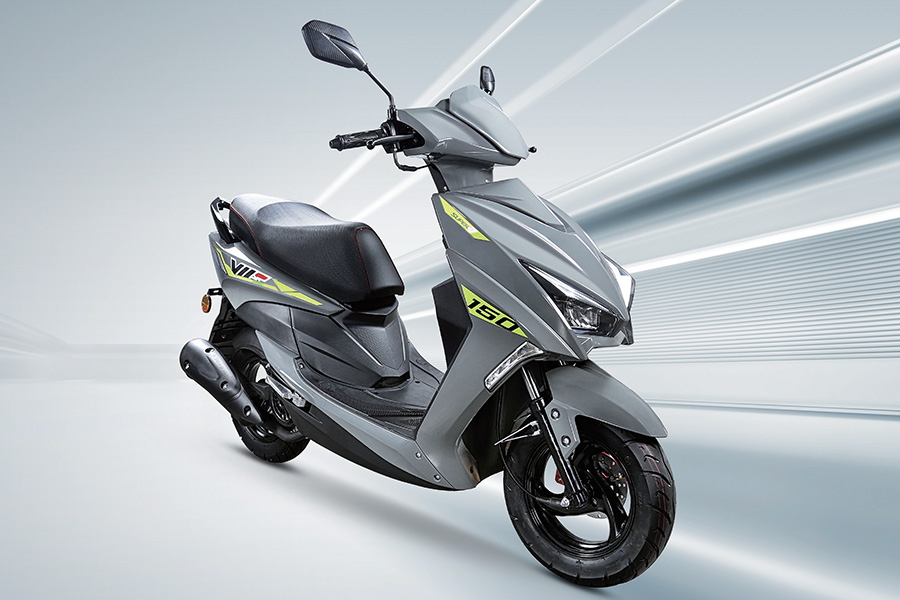
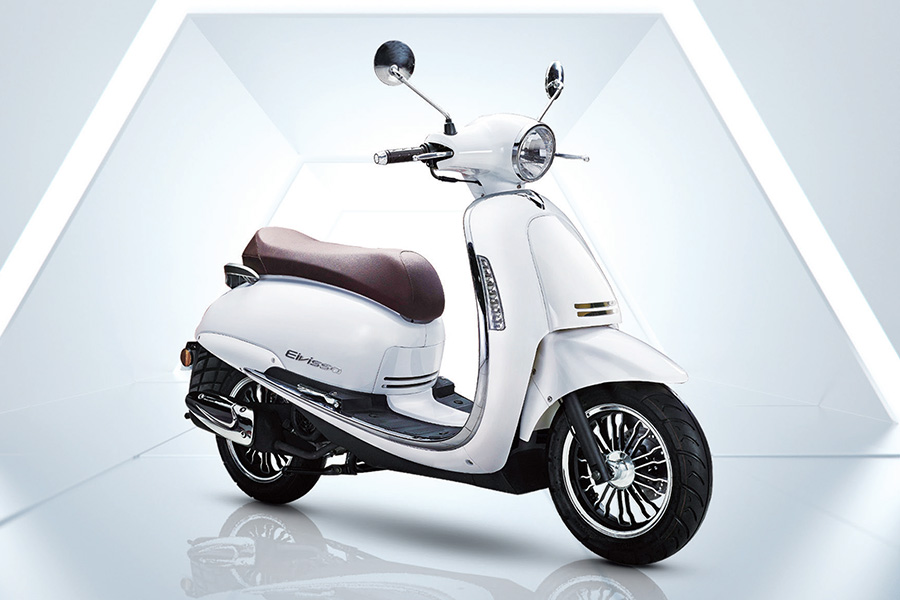
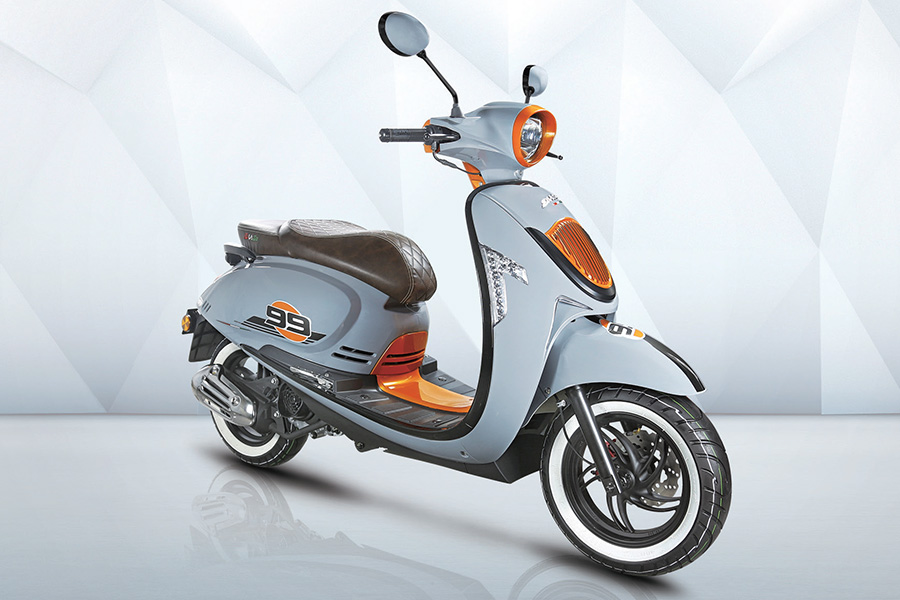
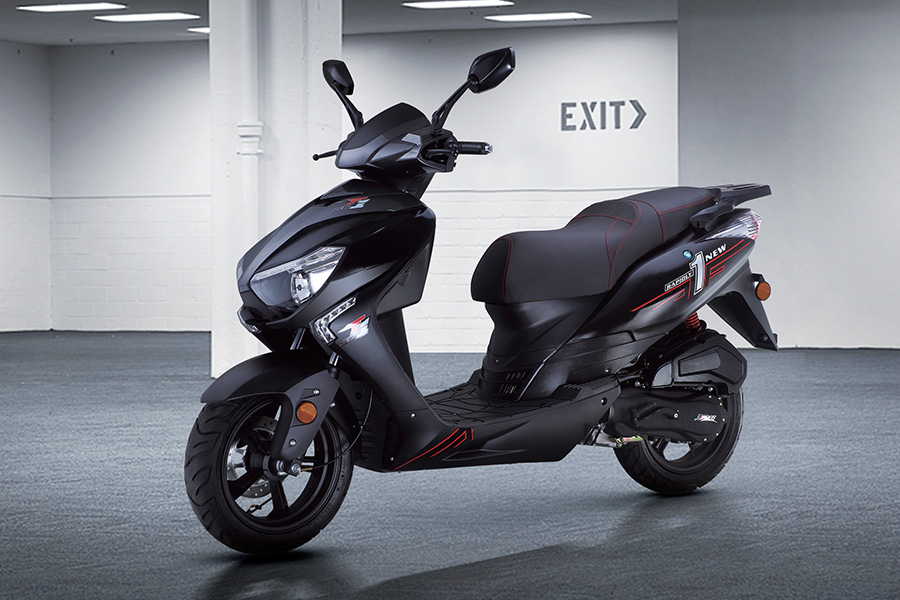
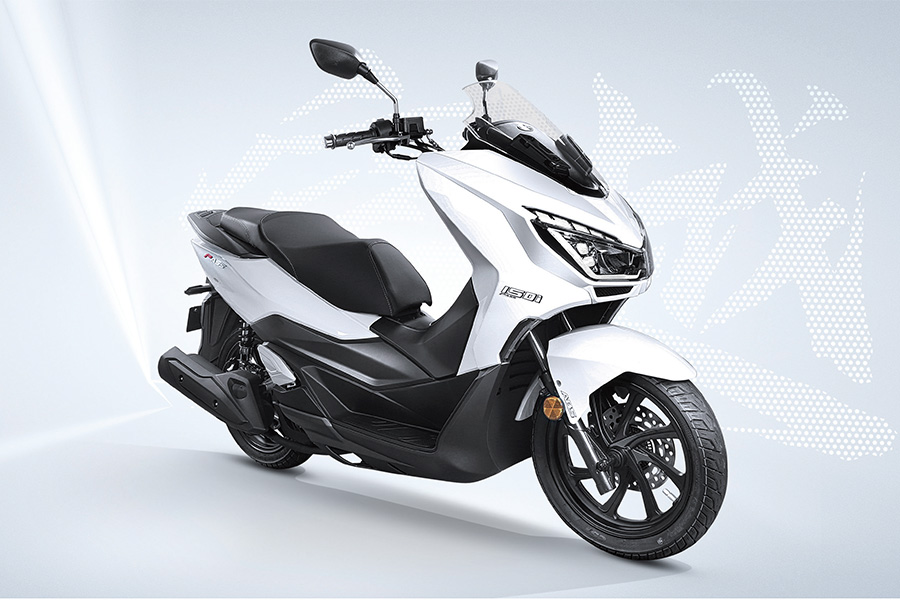
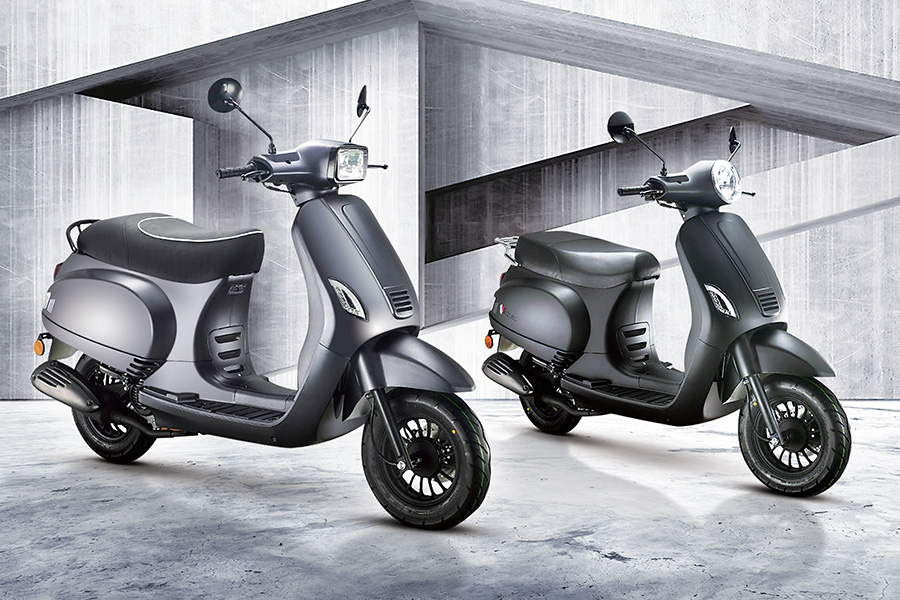
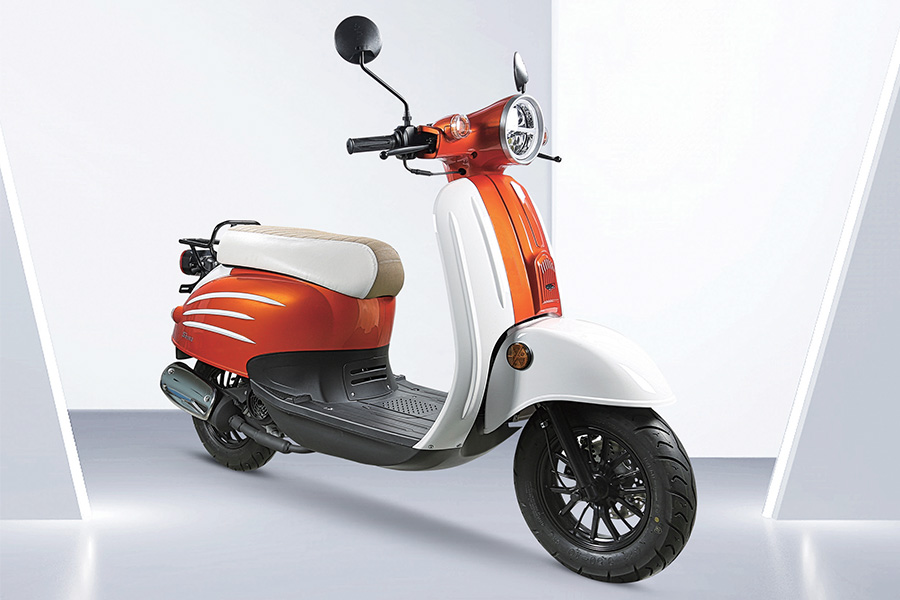
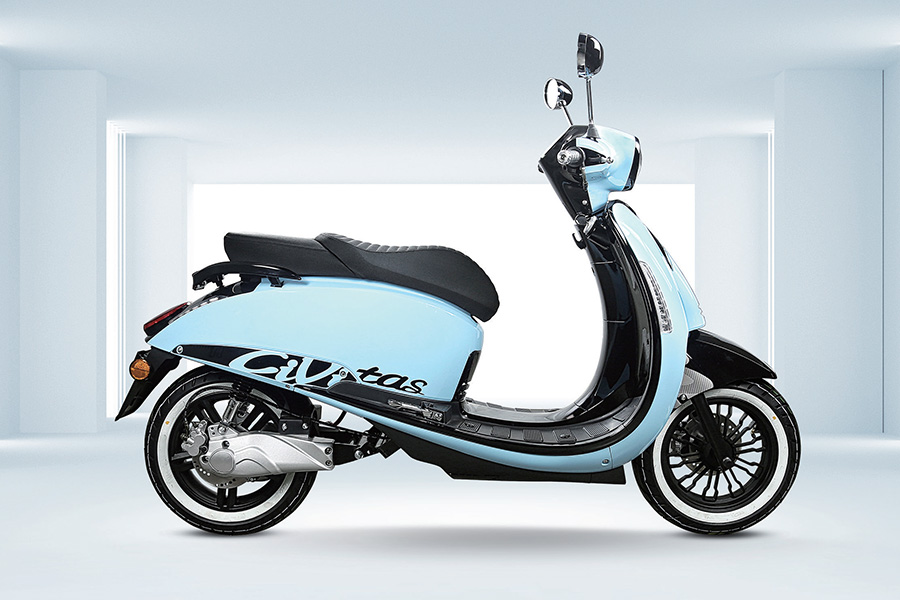
A Gasoline Scooter combines an internal combustion engine with a compact frame and step-through body design. Compared with larger motorcycles, this structure generally provides a more accessible riding position and a practical layout for everyday transportation. Manufacturers need to coordinate mechanical components and body structures during product development to create models for different market segments.
Engine Configuration Determines Vehicle Characteristics
The engine is one of the central components of a gasoline-powered scooter. Common configurations include single-cylinder four-stroke engines with different displacement options. Engine displacement, cooling method, transmission arrangement, and fuel delivery system all contribute to the vehicle's operating characteristics.
Air-cooled engines use airflow around the engine structure to dissipate heat. This configuration is commonly found in compact scooter models because of its relatively straightforward construction.
The transmission system is another important consideration. Many scooters use a continuously variable transmission (CVT), which adjusts the transmission ratio according to engine speed and riding conditions. This arrangement allows riders to operate the vehicle without manually changing gears.
For B2B buyers, understanding these configurations helps when comparing models for different customer groups. Some markets may prefer compact engine options for short-distance commuting, while others may require different displacement categories for broader transportation applications.
Frame and Body Design Work Together
The frame provides structural support for the engine, suspension, wheels, and rider. Manufacturers commonly use steel tubing or formed metal structures to develop the main chassis.
Frame geometry influences wheelbase, ground clearance, riding position, and overall vehicle dimensions. A compact wheelbase can support maneuverability in urban environments, while the frame layout also needs to accommodate the engine and other mechanical components.
The body panels contribute to the scooter's exterior appearance and protect selected internal components. Depending on the model, manufacturers may use molded plastic panels in different shapes and colors.
A Gasoline Scooter also requires coordinated space for the fuel tank, battery, wiring, lighting system, and instrument panel. These components need to fit within the available body structure without interfering with the rider's position or vehicle operation.
Key Components That Shape the Riding Experience
A scooter consists of several interconnected systems. Their configuration influences handling, braking response, comfort, and everyday usability.
Important components include:
- Suspension System: Front forks and rear shock absorbers help manage road irregularities.
- Braking System: Disc or drum brake configurations are selected according to the model design.
- Wheel Assembly: Wheel diameter and tire specifications influence handling and road contact.
- Lighting System: Headlights, tail lights, turn signals, and instrument illumination support vehicle operation.
- Instrument Panel: Displays information such as speed, fuel level, and engine status.
- Seat and Footrest: Their dimensions and positions influence rider comfort and seating arrangements.
Manufacturers may offer different component combinations across model series to serve various market requirements.
Conclusion
Gasoline scooter manufacturing involves coordinating engine systems, chassis structures, transmission components, exterior panels, and riding equipment. Each part contributes to the vehicle's overall configuration and market positioning. For overseas importers and distributors, understanding these elements provides a useful foundation for comparing models, discussing customization, and selecting a Gasoline Scooter suited to regional transportation needs.