

 俄语
俄语 西班牙语
西班牙语 阿拉伯语
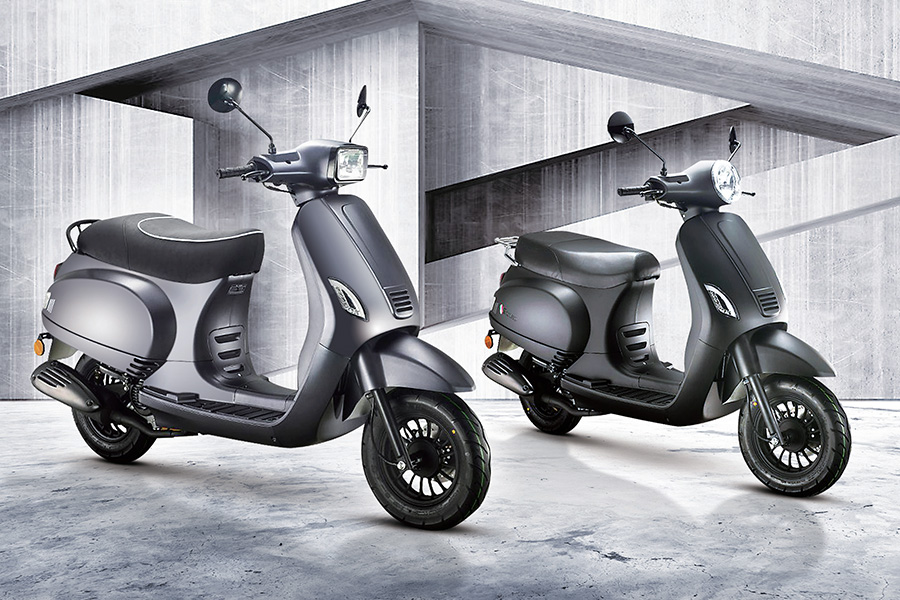
阿拉伯语City streets are always moving, and personal transportation continues to play an important role in everyday life. Among the many options available, the gasoline scooter remains a familiar choice for commuting, neighborhood travel, and recreational riding. Its compact size, responsive handling, and practical storage features make it suitable for a variety of daily situations.
Manufacturers continue refining gasoline scooter designs, paying attention to structural engineering, rider comfort, and production efficiency while introducing updated styling and functional improvements.
Compact Design Supports Everyday Mobility
One of the characteristics of a gasoline scooter is its compact overall structure. Smaller dimensions allow riders to move comfortably through busy streets and parking areas while making storage easier when space is limited.
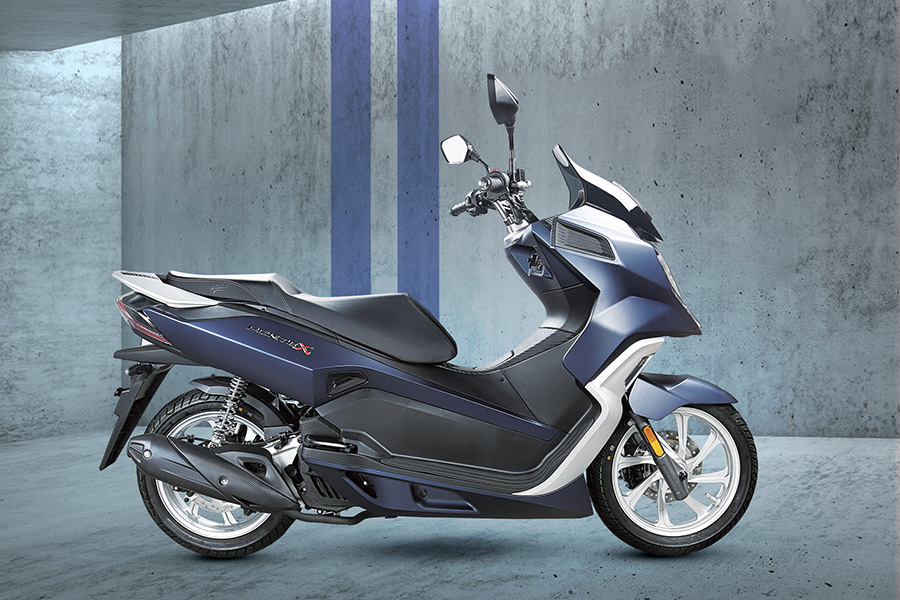
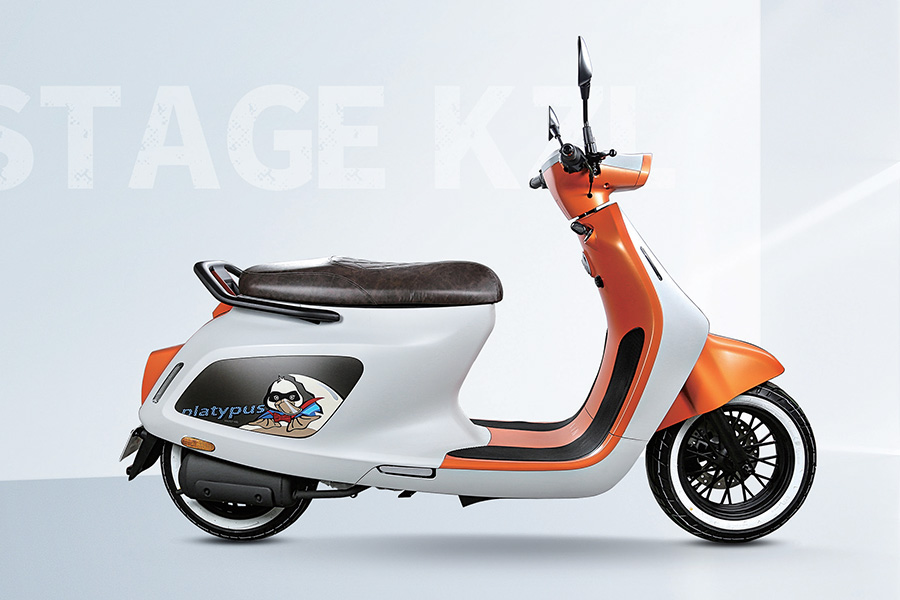
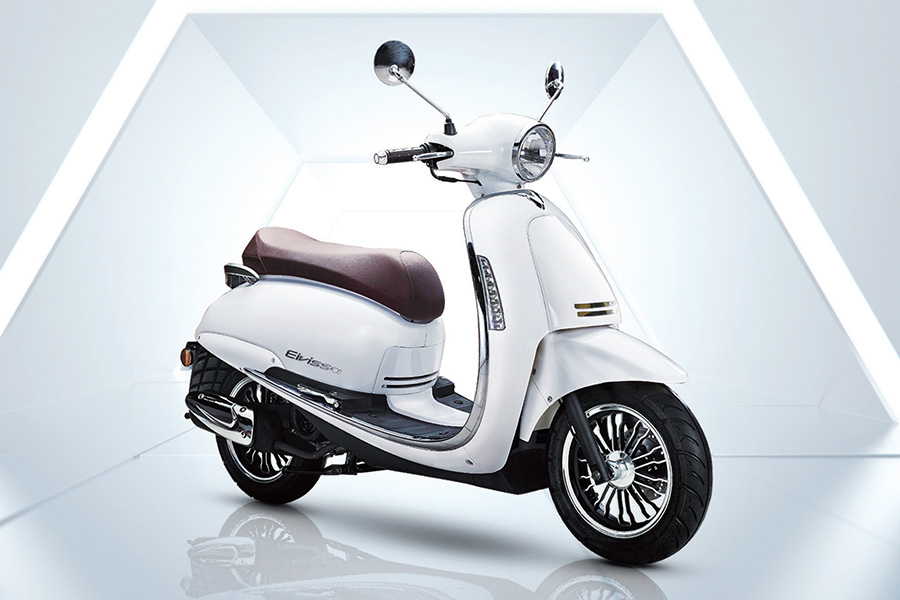
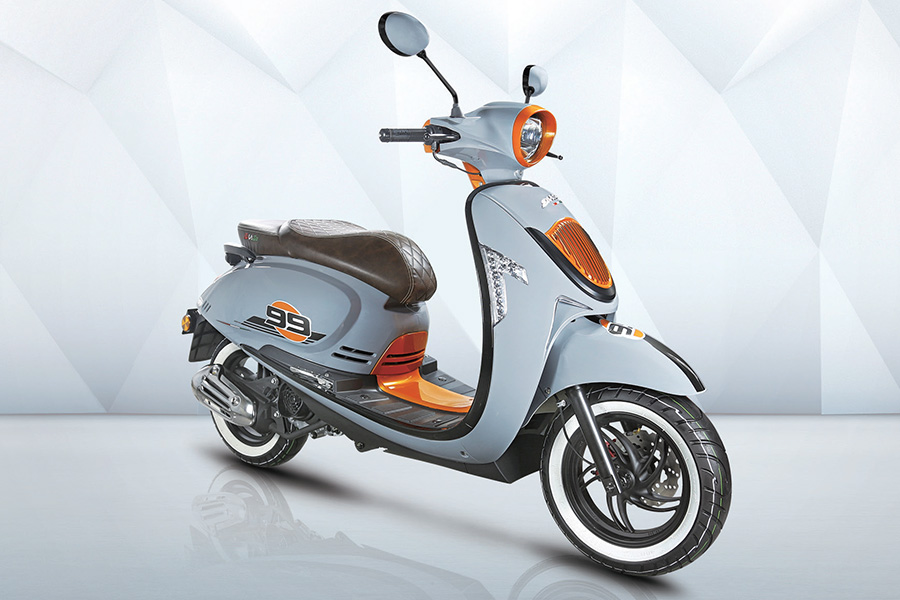
Many gasoline scooter models feature spacious footboards that provide stable standing positions during mounting and dismounting. Comfortable seating, ergonomic handlebars, and thoughtfully positioned controls contribute to a natural riding experience.
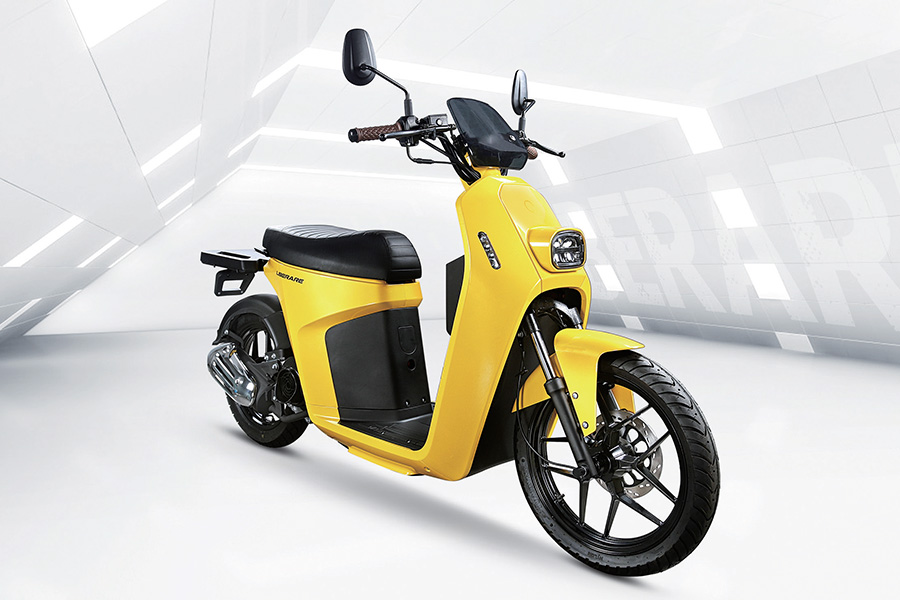
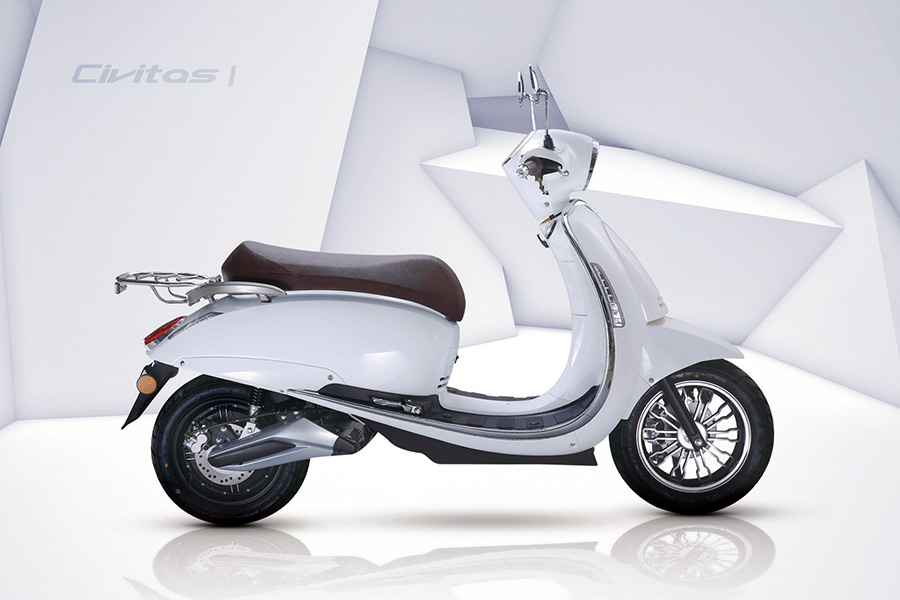
Storage compartments beneath the seat and integrated front pockets provide convenient space for carrying personal belongings such as bags, helmets, or small travel items.
Engine and Frame Work Together
A gasoline scooter combines several important components that work as a complete system. The engine supplies power for daily travel, while the frame provides structural support and riding stability.
Manufacturers carefully match engine placement with frame geometry to create balanced weight distribution. Suspension systems help improve riding comfort across city streets, while braking components are designed to deliver smooth and controlled stopping performance.
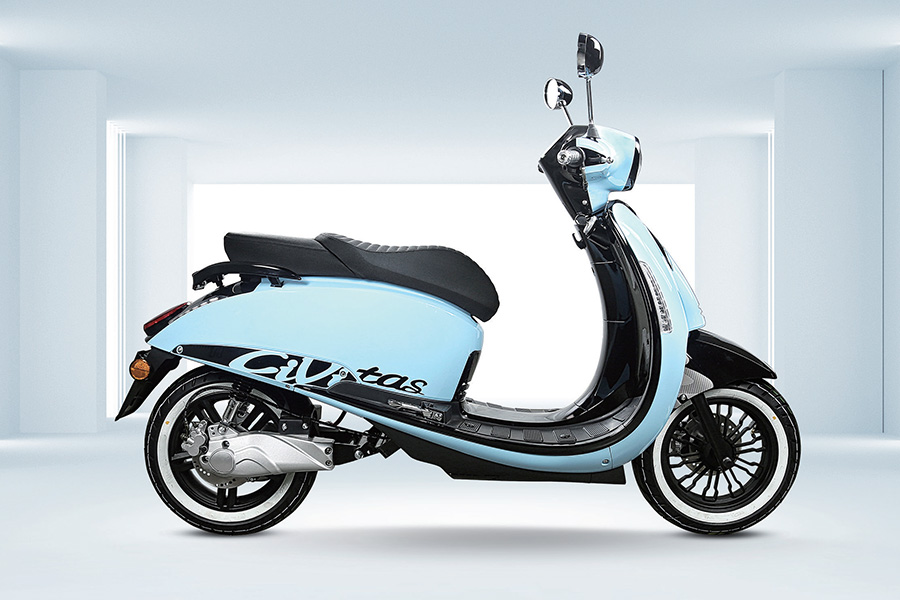
Wheel sizes vary depending on the scooter model and intended application. Larger wheels may improve stability on uneven roads, while smaller wheels contribute to compact overall dimensions suitable for urban environments.
Manufacturing Process Combines Modern Technology
Gasoline scooter production begins with digital product design. Engineers develop frame structures, engine mounting points, and body panel layouts using computer-aided design software before manufacturing starts.
Metal frame components are formed, welded, and inspected for dimensional accuracy. Plastic body panels are produced using precision molds, allowing manufacturers to create smooth surfaces and consistent shapes across production batches.
The assembly process brings together the engine, transmission, suspension, braking system, electrical components, lighting, wheels, and body panels. Each completed gasoline scooter undergoes functional inspections that verify steering movement, brake operation, lighting performance, and overall assembly quality before packaging.
Applications Extend Beyond Daily Commuting
Although commuting remains one of the primary uses, gasoline scooters are suitable for many additional situations. They are commonly used for short-distance shopping trips, campus transportation, neighborhood visits, and recreational rides during weekends.
Delivery businesses also appreciate the compact dimensions of gasoline scooters when traveling through busy commercial districts. Their maneuverability allows riders to navigate narrow streets and parking areas with greater convenience.
Tourist destinations and resort communities often use scooters for local transportation, allowing visitors to travel comfortably between attractions within a limited area.
Design Details Improve Rider Experience
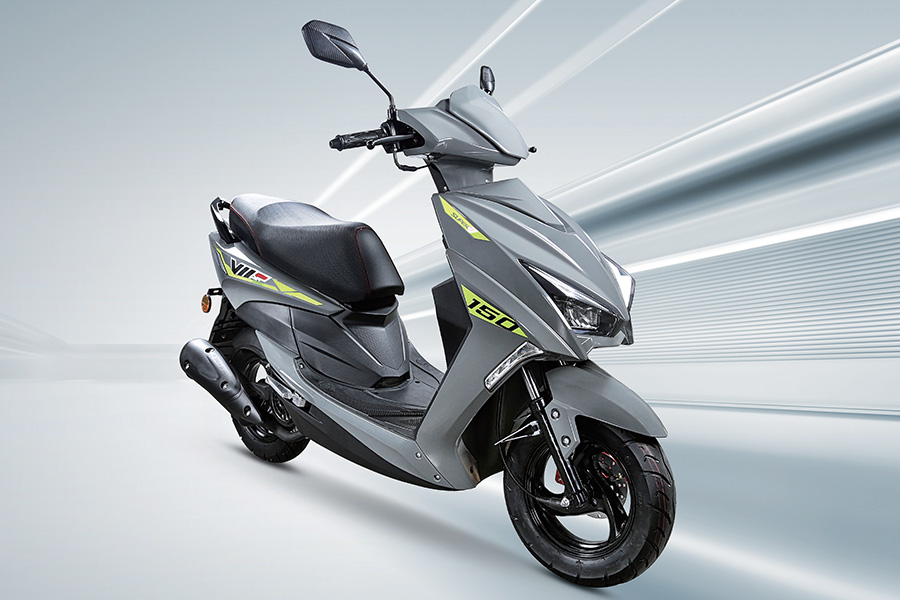
Manufacturers continue refining small details that improve everyday usability. Modern dashboard layouts present riding information in a clear format, while integrated lighting systems enhance visibility during different times of day.
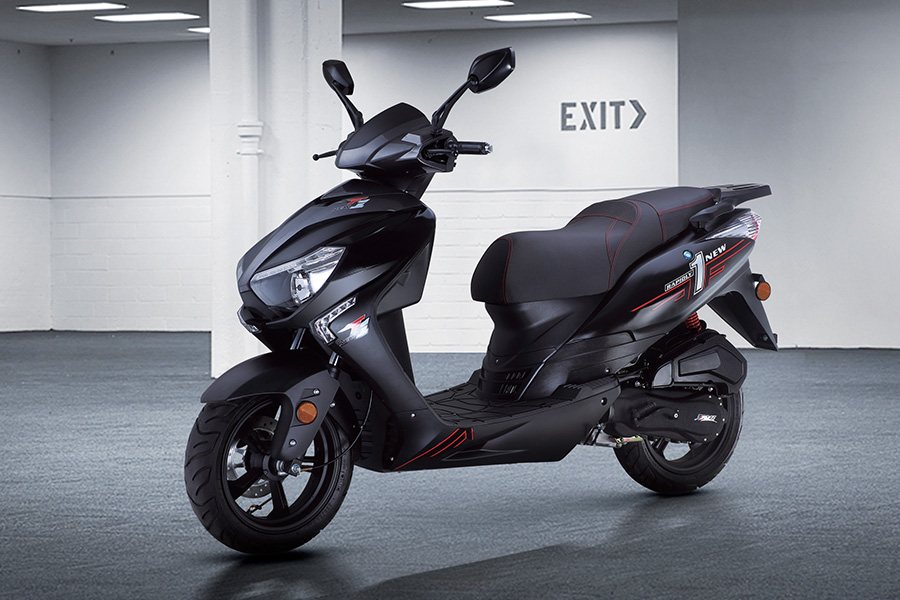
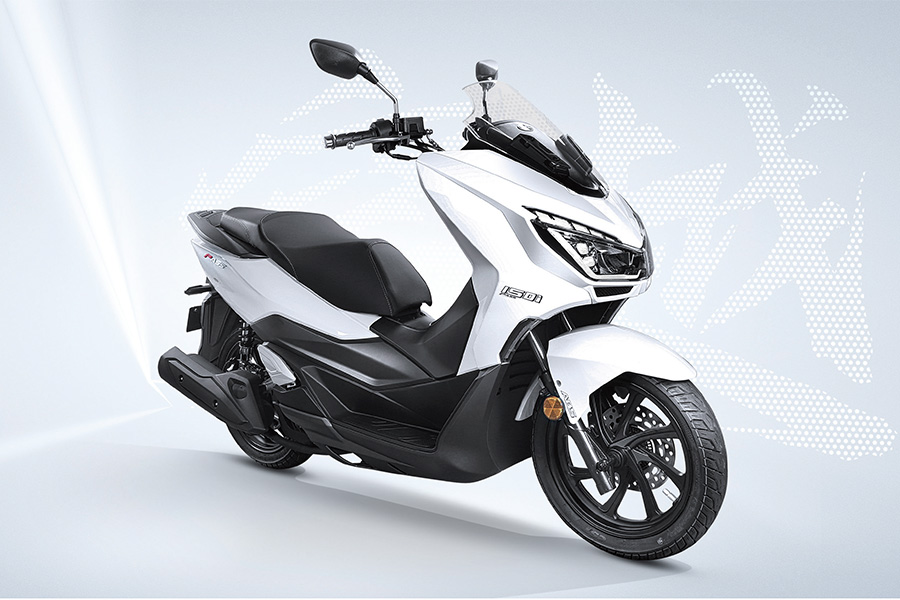
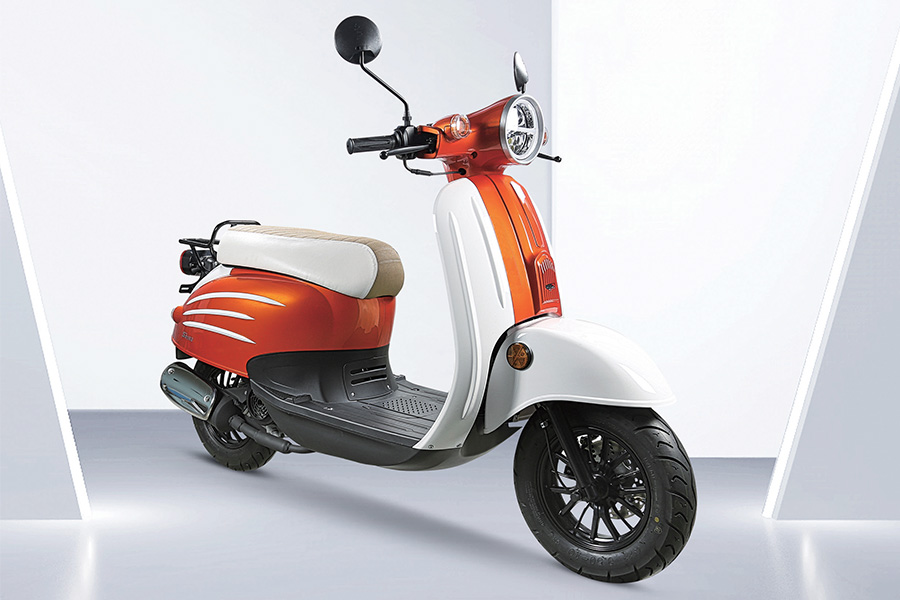
Body panel styling has become more diverse, offering streamlined shapes, smooth surface transitions, and a variety of color combinations. Comfortable seat contours and practical passenger grab handles contribute to a pleasant riding experience for both riders and passengers.
Additional accessories such as rear luggage racks, windshields, and storage options allow different gasoline scooter models to suit various user preferences and transportation needs.