

 俄语
俄语 西班牙语
西班牙语 阿拉伯语
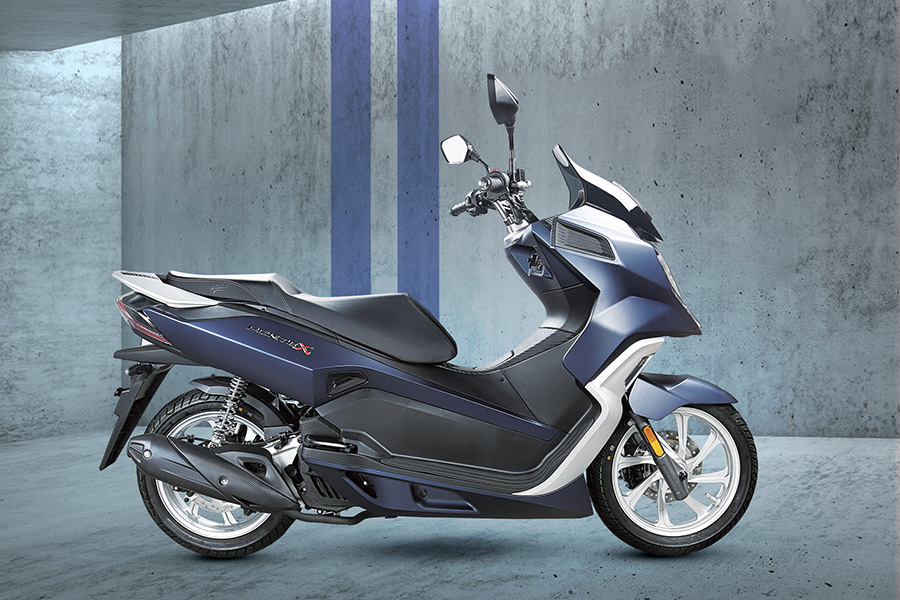
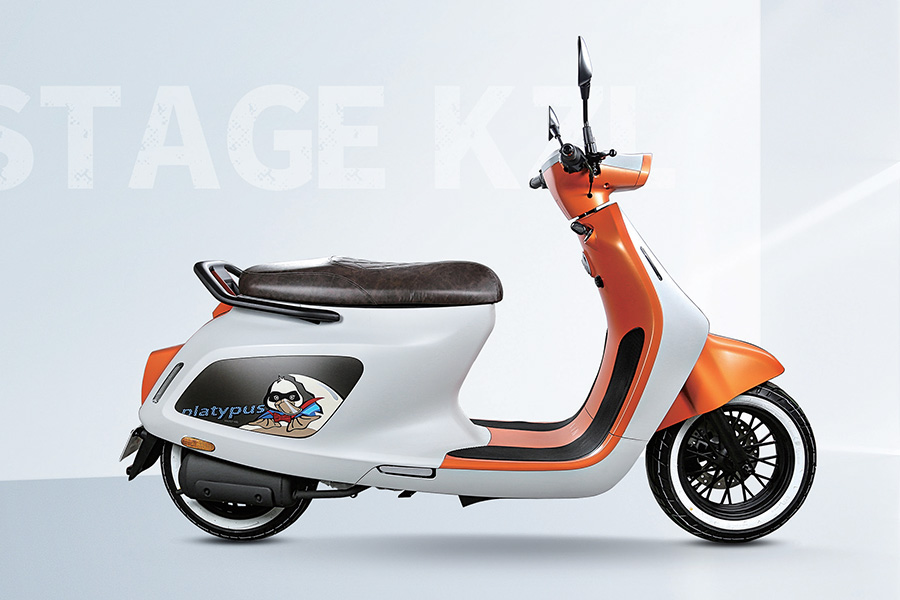
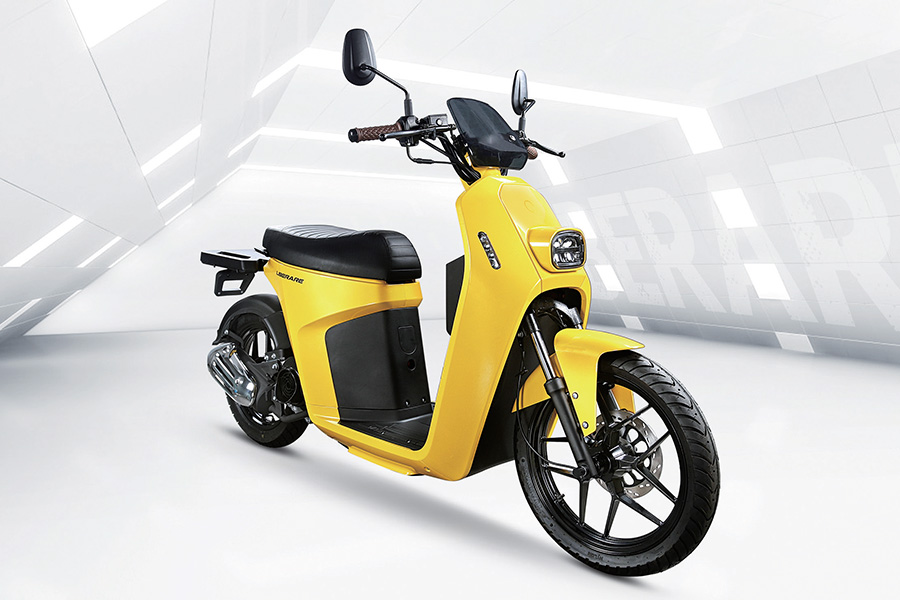
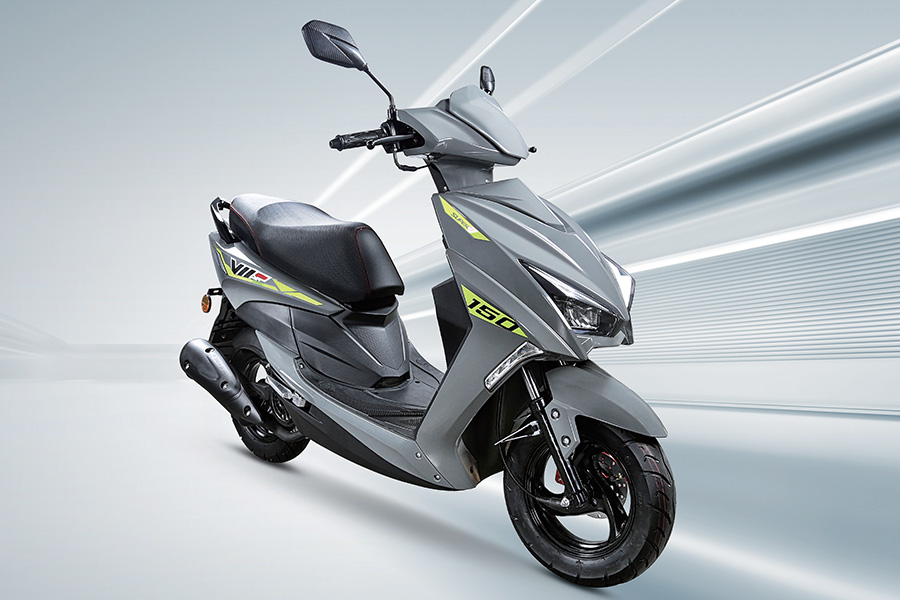
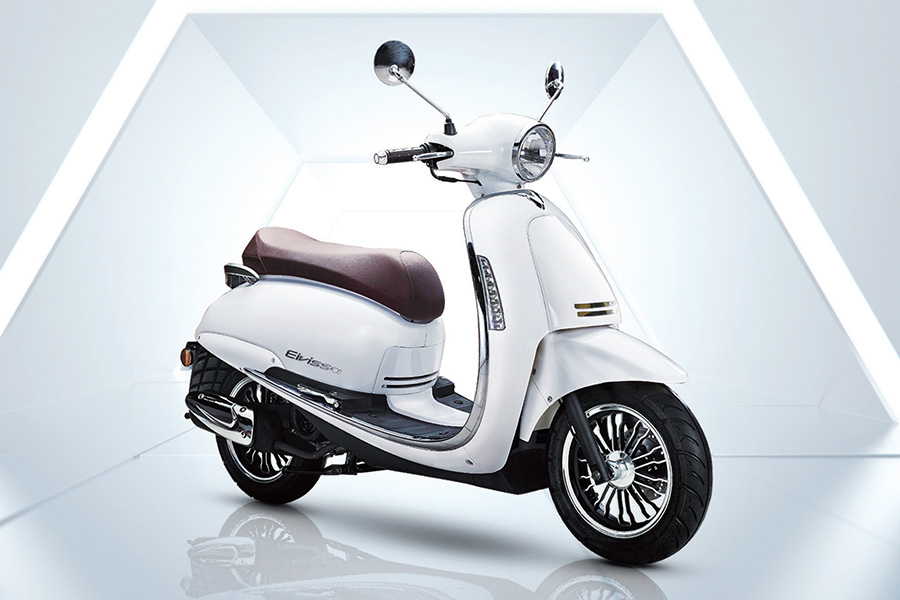
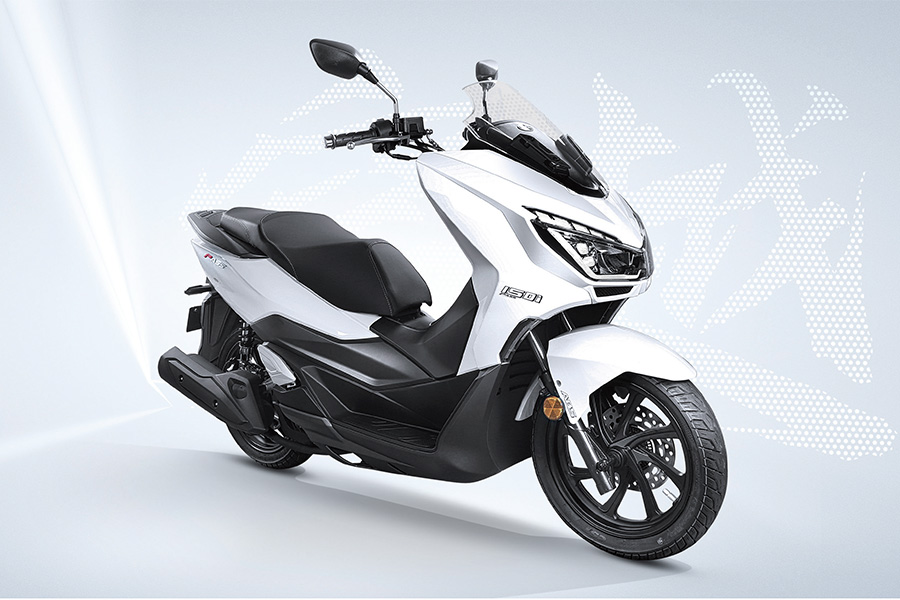
阿拉伯语Scooter Street has emerged as a visible feature of contemporary urban life, reflecting broader shifts in transportation preferences and public space usage. In many cities, the presence of scooters lining sidewalks, parking areas, and designated lanes signals changing attitudes toward compact mobility. Scooter Street does not refer to a single location but rather to a growing movement in which scooters play a central role in daily commuting, social interaction, and local commerce.
The expansion of scooter usage has been closely connected to urban density. As residential developments rise and commercial districts become more concentrated, efficient travel options gain importance. Scooter Street scenes often illustrate how riders weave carefully through traffic, park near storefronts, and connect easily with public transit hubs. This adaptability supports mixed-use neighborhoods where work, shopping, and recreation coexist within short distances.
Infrastructure planning increasingly considers Scooter Street dynamics. Municipal authorities have introduced marked lanes, traffic signage, and parking zones designed specifically for scooters. These measures aim to balance safety and accessibility, reducing conflicts between pedestrians, cyclists, and motor vehicles. In some districts, scooter parking clusters have become familiar landmarks, reinforcing the integration of two-wheel mobility into everyday routines.
Technology continues to influence the Scooter Street landscape. Electric scooters equipped with smart displays, GPS systems, and mobile connectivity have expanded user engagement. Riders can unlock shared units using smartphone applications, track battery levels, and plan routes in real time. This digital integration aligns scooter travel with broader trends in connected urban services.
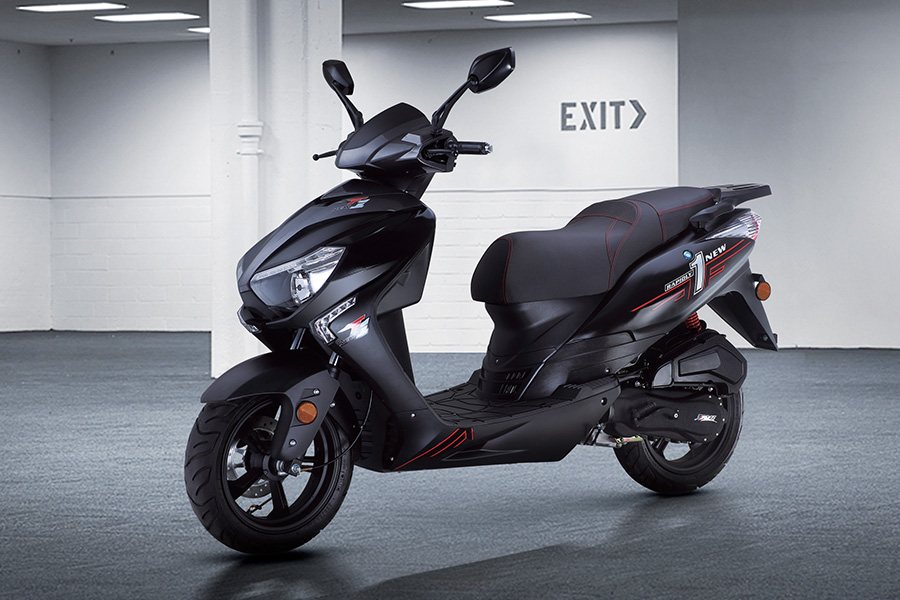
Economic activity also interacts with Scooter Street development. Delivery services, small businesses, and freelance workers frequently rely on scooters for efficient movement between customers. Quick acceleration and compact dimensions allow riders to navigate narrow roads and busy intersections more easily than larger vehicles. For entrepreneurs operating in competitive markets, time efficiency directly impacts productivity and customer satisfaction.
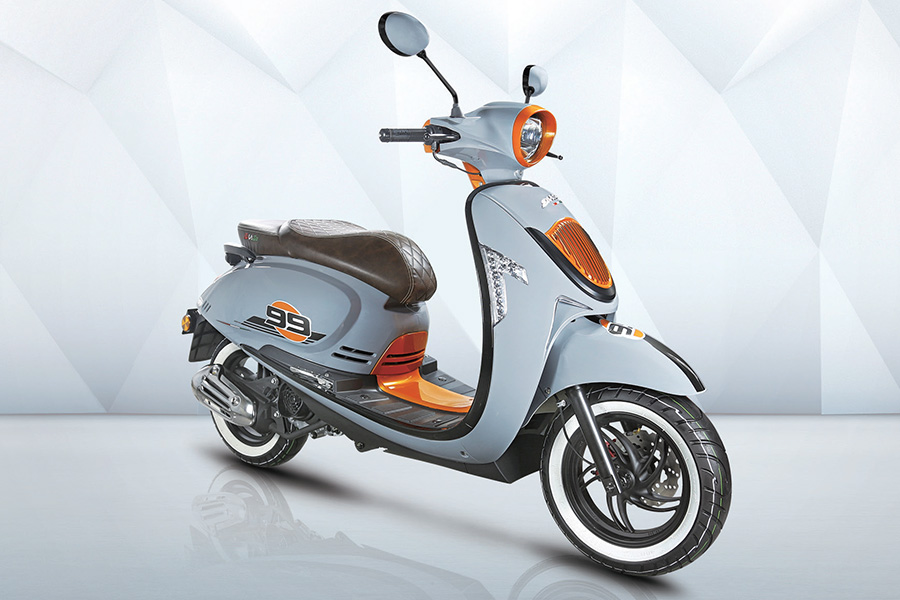
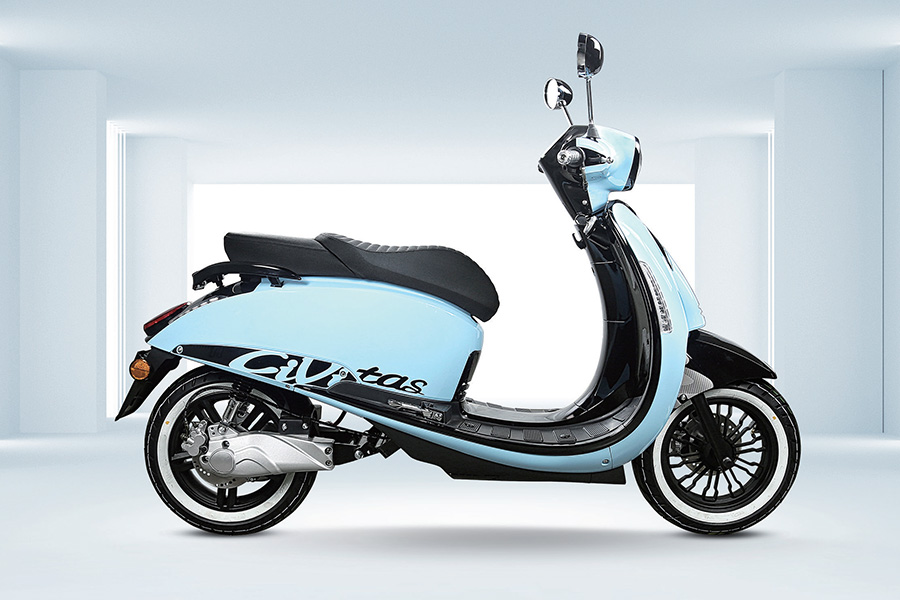
Cultural expression finds a place within Scooter Street environments as well. Custom paint designs, accessories, and protective gear contribute to a sense of identity among riders. Group rides and community events occasionally gather participants who share interest in scooter travel. These gatherings highlight how transportation choices can extend beyond functionality into social connection and shared experience.
Environmental considerations remain central to public discussions. Electric scooter adoption supports municipal efforts to address emissions and traffic congestion. Although scooters do not eliminate transportation challenges entirely, Scooter Street activity demonstrates a shift toward diversified mobility systems. When combined with public transit and pedestrian infrastructure, scooters contribute to flexible travel networks capable of adapting to varied urban needs.
Safety awareness continues to evolve alongside increased usage. Educational campaigns encourage helmet use, adherence to traffic regulations, and respectful interaction with pedestrians. Improved lighting systems and braking mechanisms enhance rider control, especially during evening travel. Urban planners monitor accident data and adjust regulations when necessary to maintain balanced growth of Scooter Street participation.
In this evolving landscape, scooters represent more than simple transportation devices. Scooter Street captures a broader narrative about flexibility, efficiency, and personal movement within modern cities. For commuters, entrepreneurs, and casual riders alike, scooters provide an accessible option that complements existing transport systems and reflects the rhythm of contemporary urban life.