

 俄语
俄语 西班牙语
西班牙语 阿拉伯语
阿拉伯语A Practical Middle Ground in Personal Transport
Buyers sourcing gasoline scooters for adults are usually thinking about a specific gap in the market. These scooters sit between bicycles and full-size motorcycles, offering enough power to handle city streets and short highway stretches without the size or complexity of larger vehicles. Riders often pick them for daily commuting, quick errands, or as a secondary vehicle that's easier to park and store than a car.
The appeal for distributors is fairly straightforward: this category serves a buyer who wants motorized convenience without committing to a bigger machine, and that demand tends to hold steady across different regions and rider ages.
Engine Size and Performance Range
Gasoline scooters for adults typically come in a handful of engine displacement ranges, and buyers usually sort inventory around three general bands:
- Smaller displacement engines suited to city commuting and lighter riders
- Mid-range engines that balance speed with fuel efficiency
- Larger displacement models built for longer rides or highway-adjacent routes
Engine performance affects more than top speed — it shapes acceleration, hill-climbing ability, and how the scooter handles with a passenger or cargo on board. Buyers often ask suppliers about torque figures alongside displacement, since two engines with similar size can still feel noticeably different in real riding conditions.
Frame Design and Rider Comfort
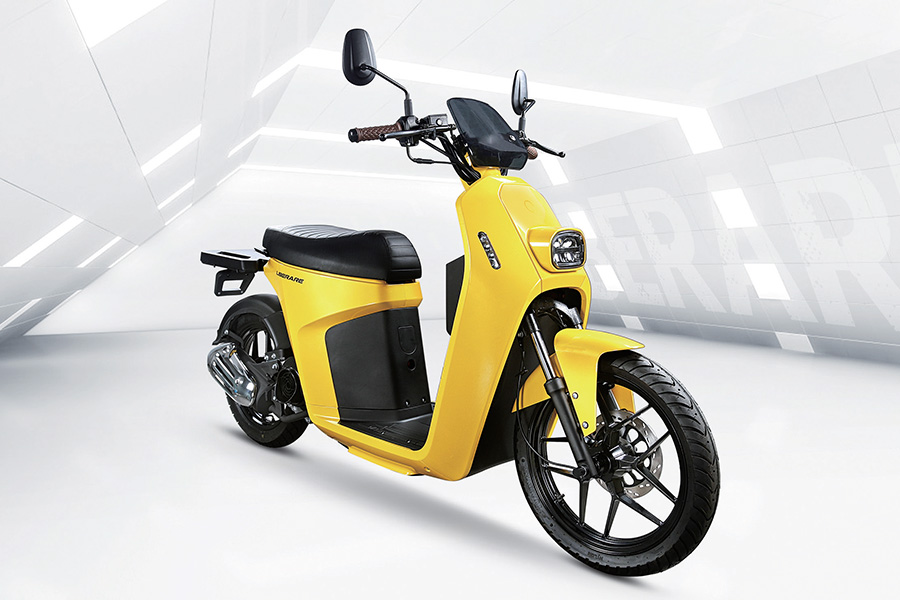
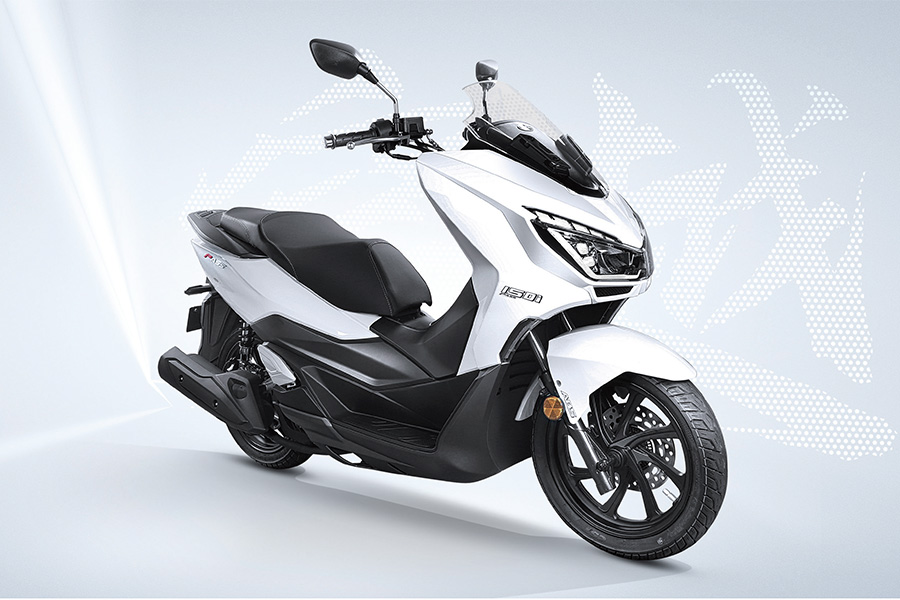
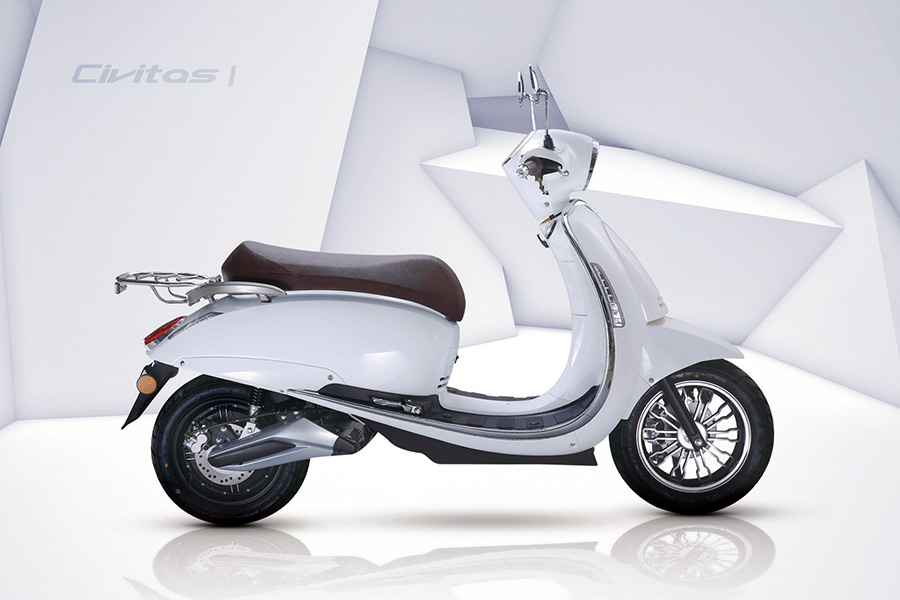
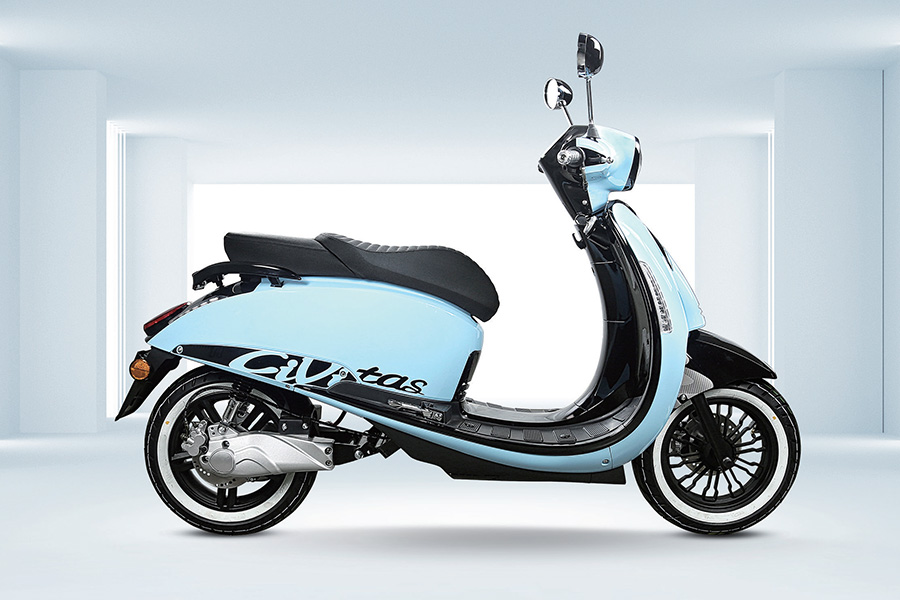
Frame construction plays a bigger role than many buyers expect when it comes to how a scooter actually feels on the road. A step-through frame design, where the rider doesn't need to swing a leg over a raised seat, tends to appeal to a broader range of adult riders, including those less familiar with traditional motorcycle-style seating. Seat height, footboard space, and handlebar position all factor into comfort, particularly for riders using the scooter for longer daily commutes rather than short trips around a neighborhood.
Storage compartments under the seat or built into the frame are another detail buyers frequently request, since riders often want somewhere secure to stow a helmet, bag, or small purchases without strapping items to the exterior.
Styling and Market Positioning
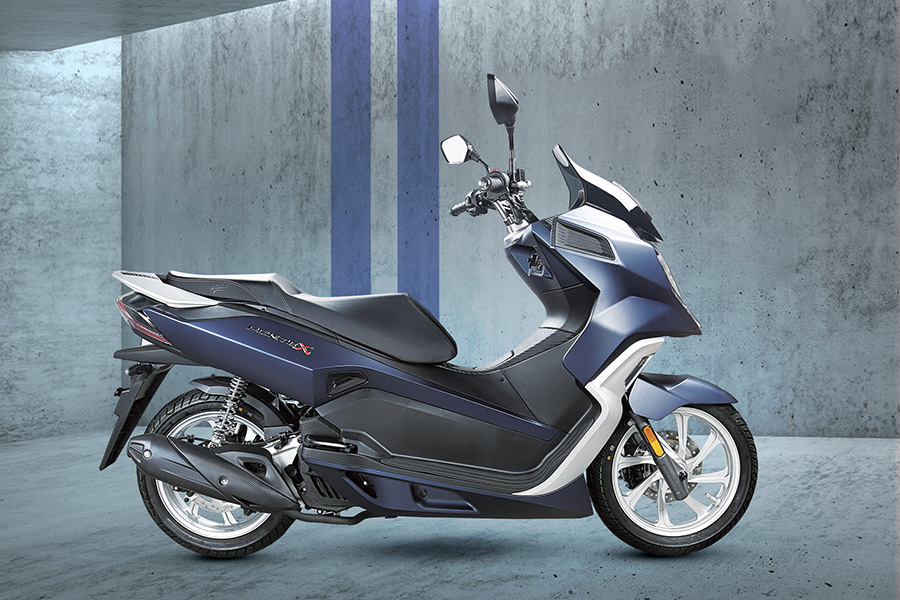
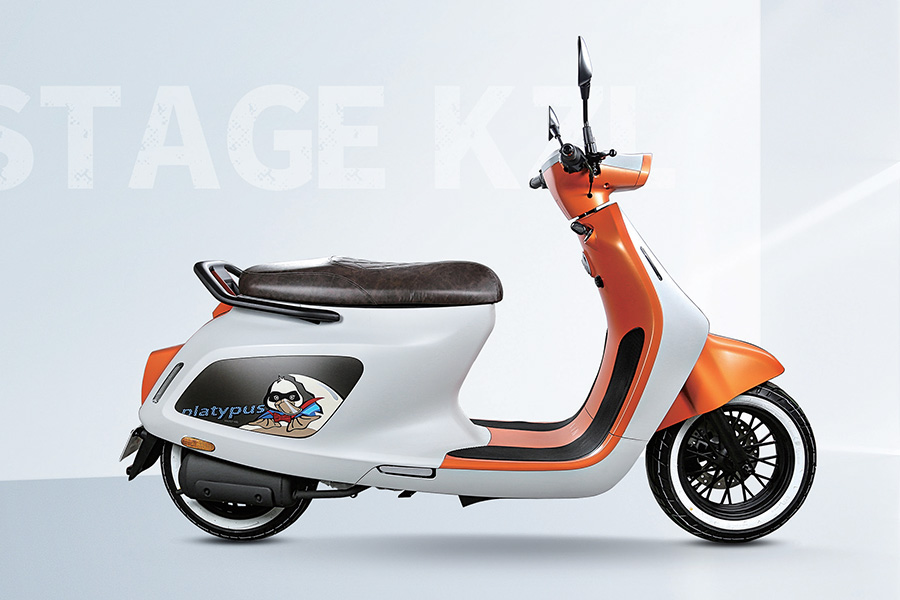
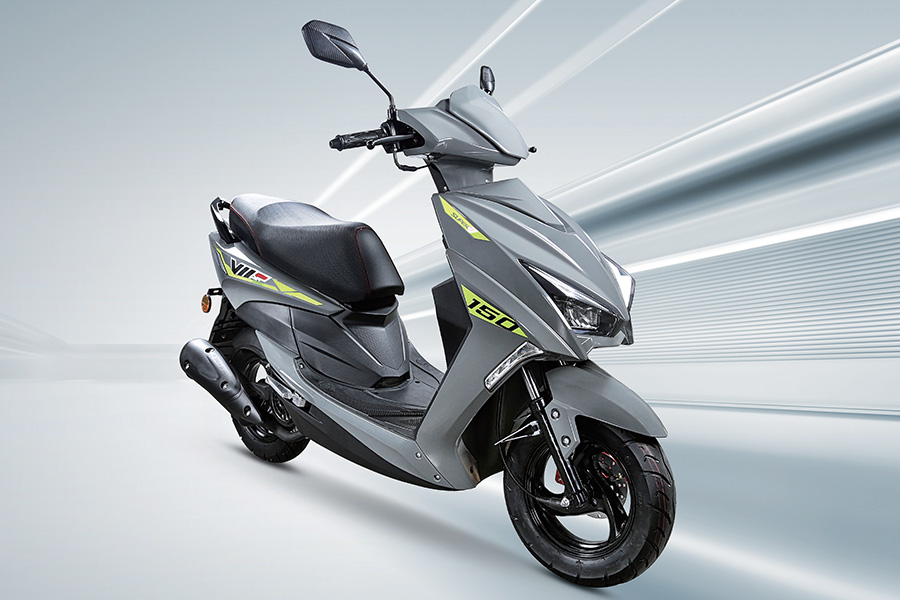
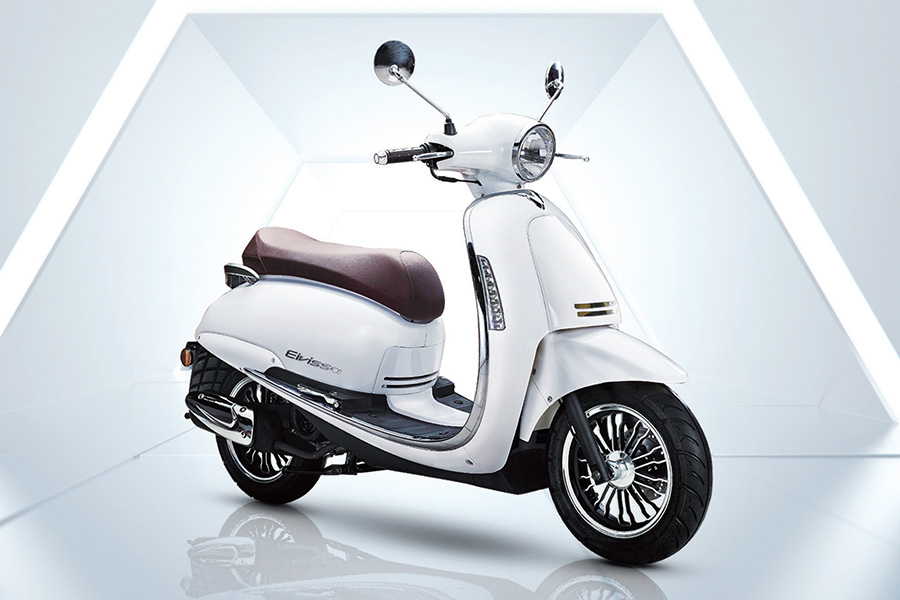
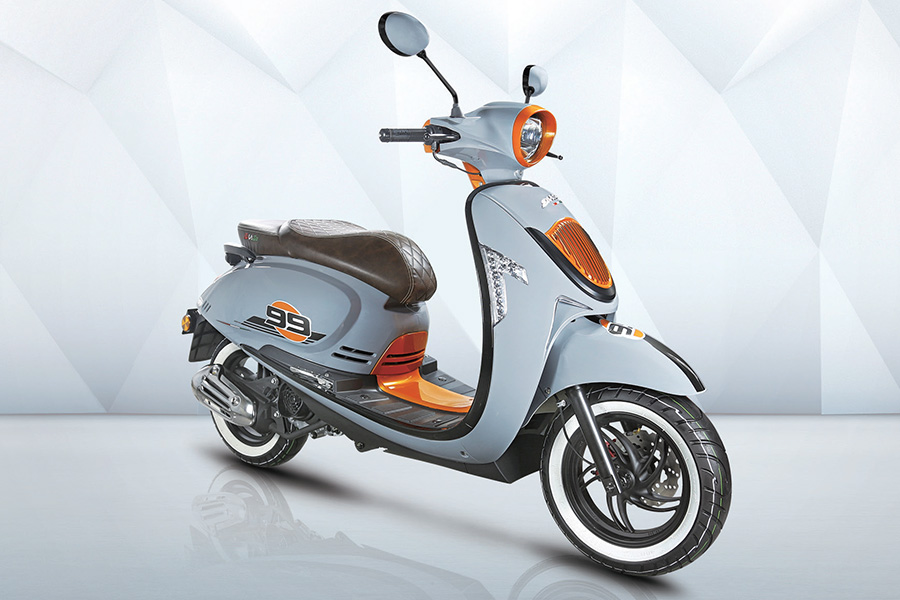
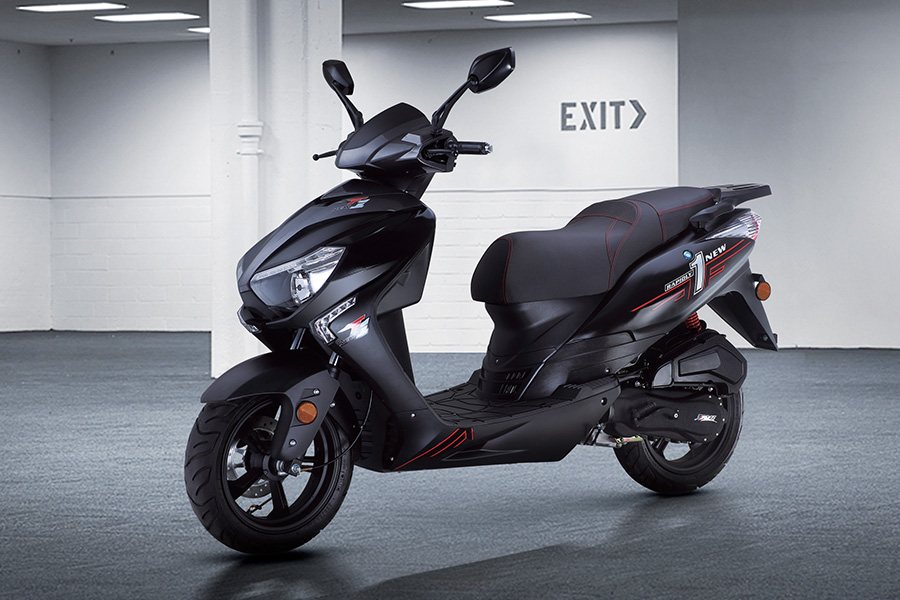
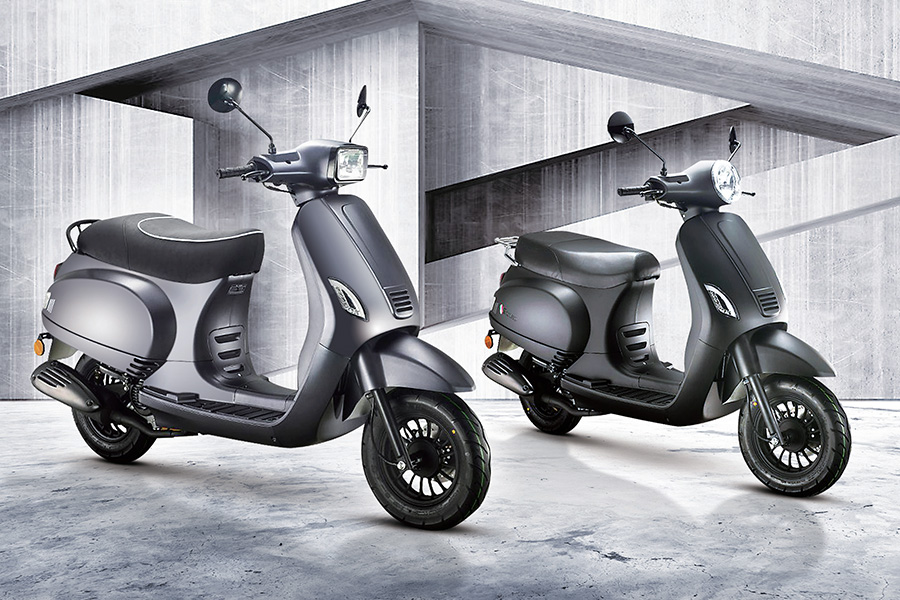
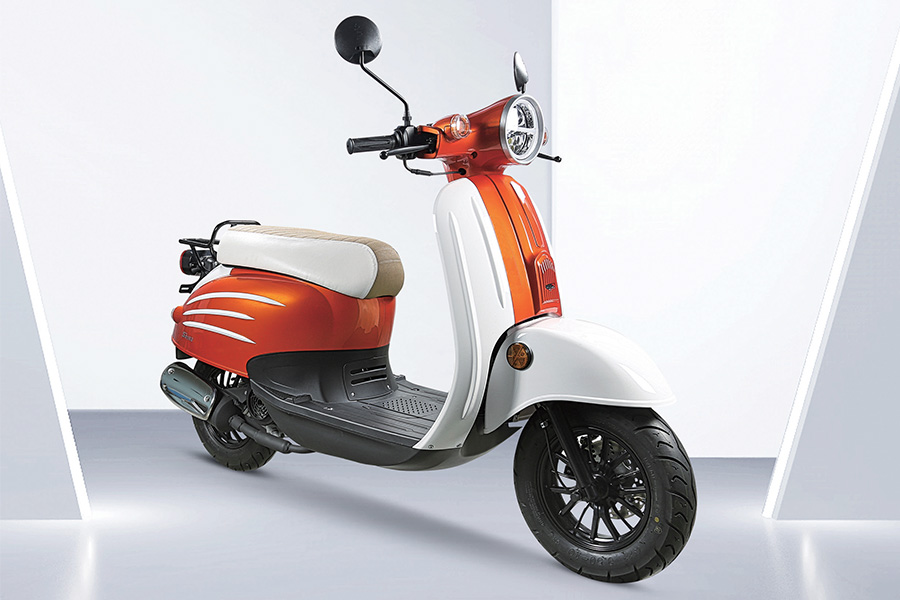
Design language matters more in this category than some buyers initially assume. Retro-styled scooters with rounded bodywork and chrome accents appeal to one segment of riders, while sportier, angular designs draw a different crowd looking for something that feels closer to a lightweight motorcycle. Color options tend to run wide, since scooters often double as a visible personal accessory rather than a purely functional purchase.
Buyers stocking this category usually keep a mix of styles on hand rather than betting on a single look, since rider preference varies significantly by region and by the specific use case — daily commuting reads differently than weekend leisure riding.
Where Demand Tends to Concentrate
Gasoline scooters for adults see consistent interest from urban commuters navigating traffic and limited parking, delivery-oriented riders who value quick starts and easy maneuvering, and casual riders looking for a lower-cost entry into motorized two-wheel transport. That spread of use cases is part of why the category holds steady demand rather than spiking around a single season or trend.