

 俄语
俄语 西班牙语
西班牙语 阿拉伯语
阿拉伯语There is something quietly enduring about a gasoline moped scooter. In a decade that has seen electric alternatives multiply across showroom floors, the gas-powered moped has not faded into the background — it has simply kept doing what it has always done: getting people from one place to another with minimal fuss and a familiar, satisfying rumble underfoot. For millions of daily riders, that reliability is reason enough to stick with petrol.
Fuel range is another area where gasoline mopeds hold a clear edge. A modest 1.5-liter tank on an entry-level 50cc model can carry a rider 100 to 150 miles before needing a refill — a task that takes under two minutes at any petrol station. For riders whose commutes stretch beyond city limits or who travel through areas with unreliable power supply, that kind of no-fuss refueling carries real weight. You stop, you fill up, you keep moving. There is no waiting, no range anxiety, and no calculating whether the next charging point is within reach.
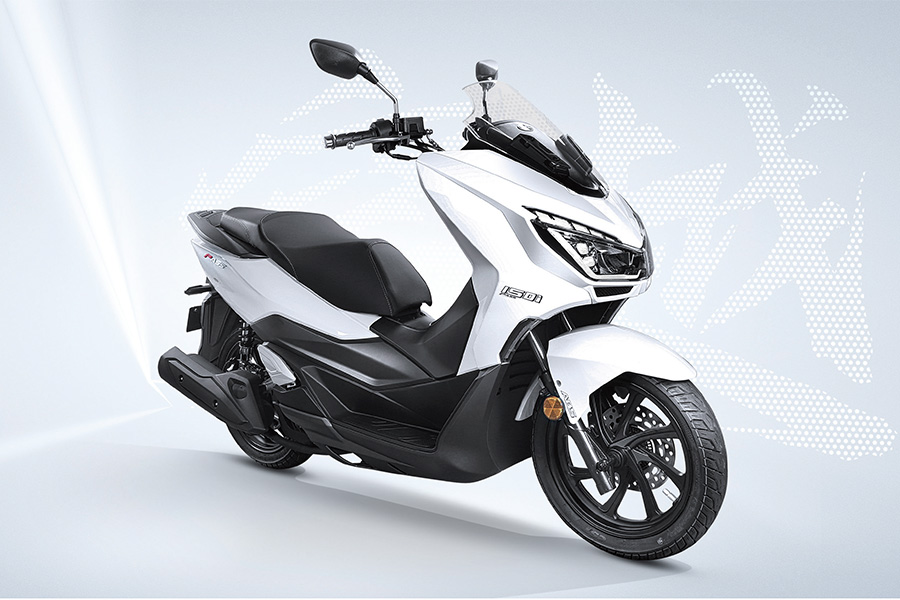
Engine size plays a meaningful role in matching a scooter to its rider's needs. A 49cc gasoline moped is sized for short urban hops, delivers smooth low-speed handling, and typically achieves fuel economy figures in the range of 90 to 120 miles per gallon — making the cost of running one genuinely low week to week. Step up to a 125cc or 150cc engine and the picture shifts: highway on-ramps become accessible, carrying a passenger feels less strained, and longer rides become comfortable rather than exhausting. Riders who underestimate how much they'll eventually want that extra power often find themselves upgrading sooner than expected.
Weight distribution on a well-designed gasoline moped scooter also contributes to its appeal for newer riders. With the engine mounted low and centrally beneath the floorboard, the center of gravity stays close to the ground. This makes slow-speed maneuvering — threading through tight city traffic, pulling a U-turn on a narrow street, easing into a compact parking spot — feel intuitive rather than nerve-wracking. Many riders who have never operated a two-wheeled vehicle before find the learning curve on a small-displacement moped noticeably gentle.
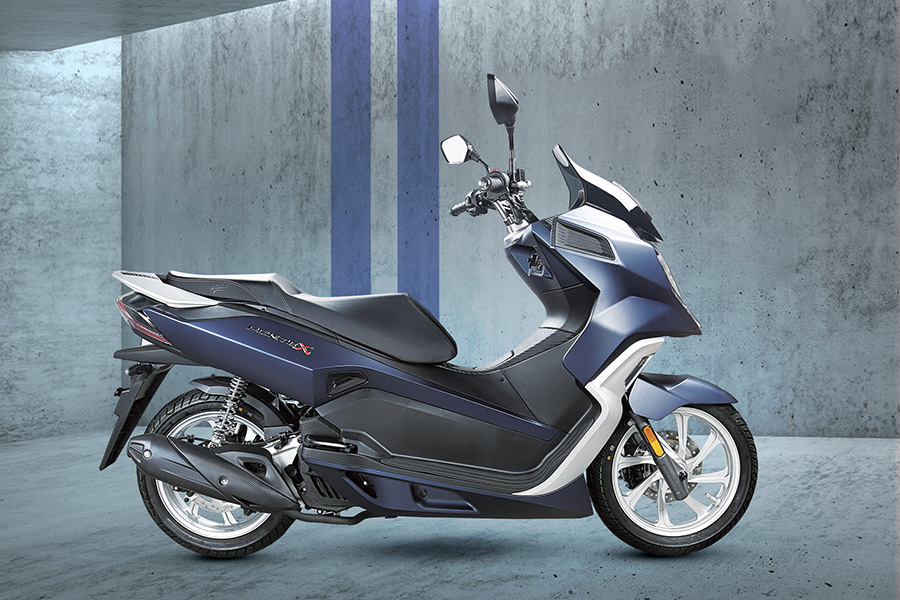
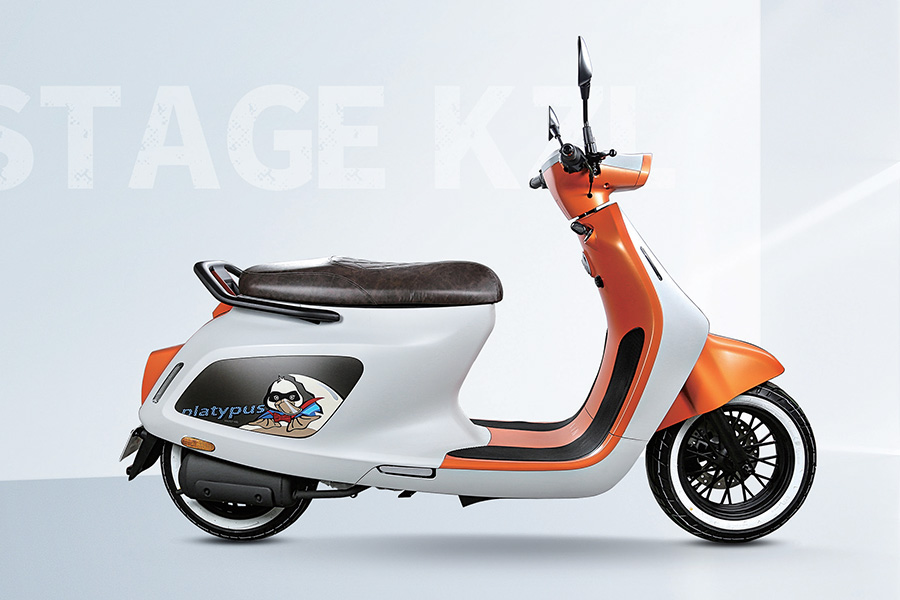
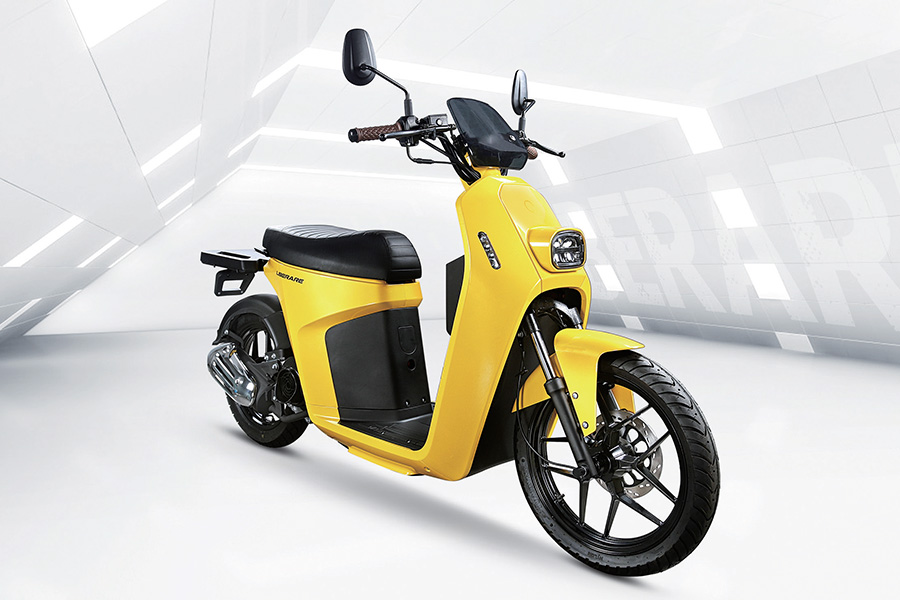
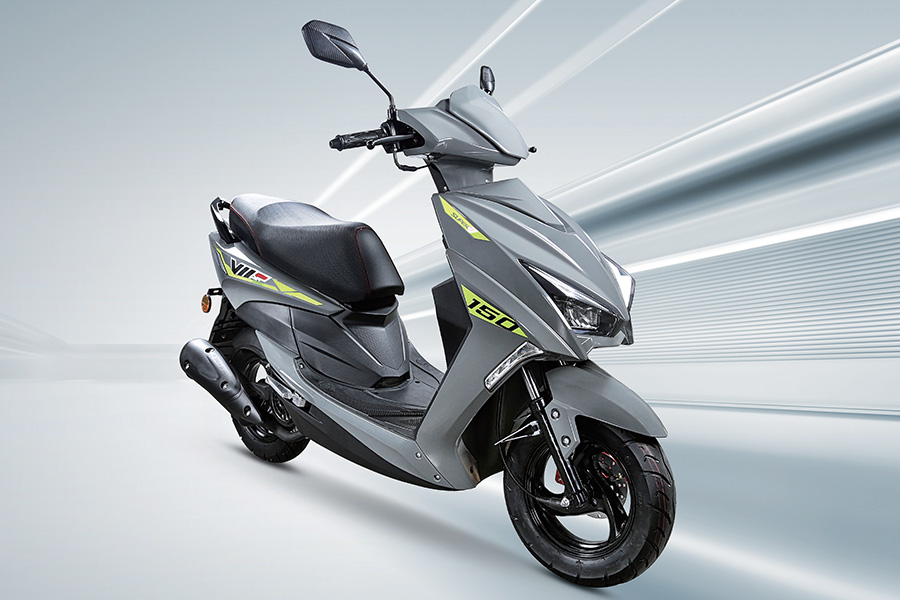
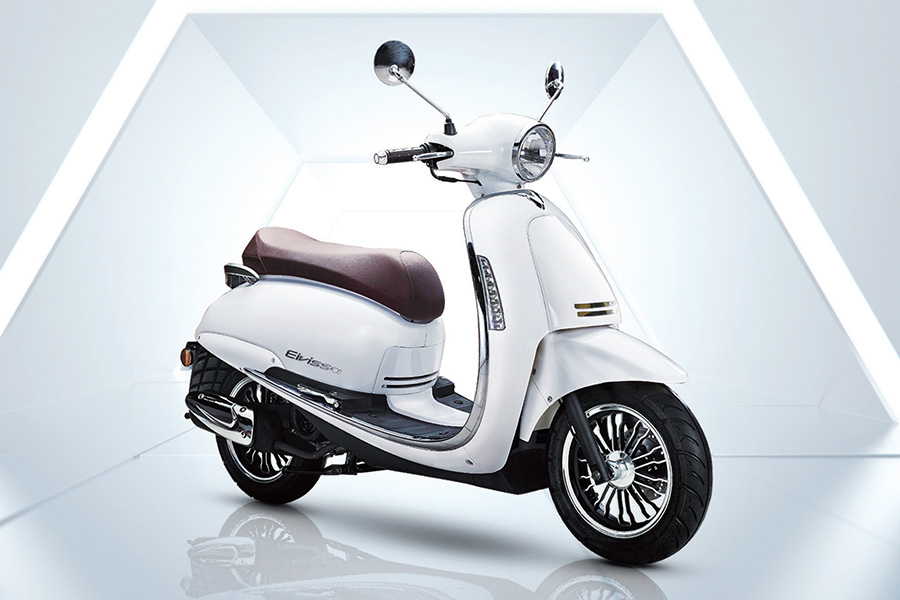
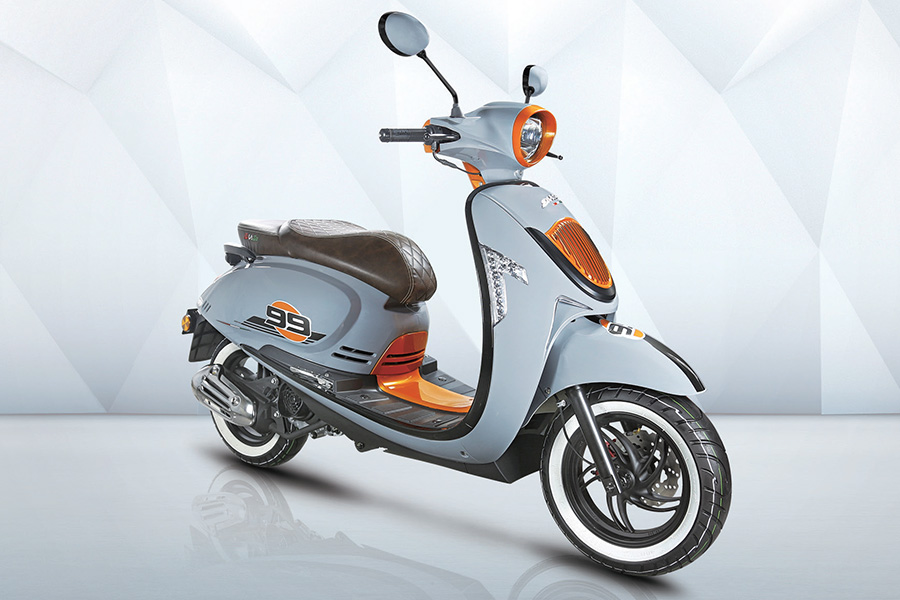
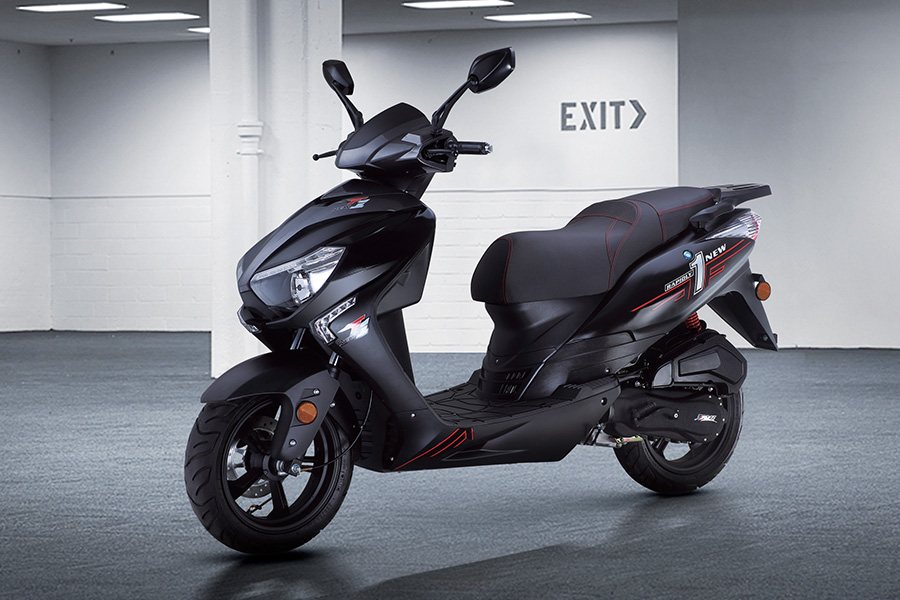
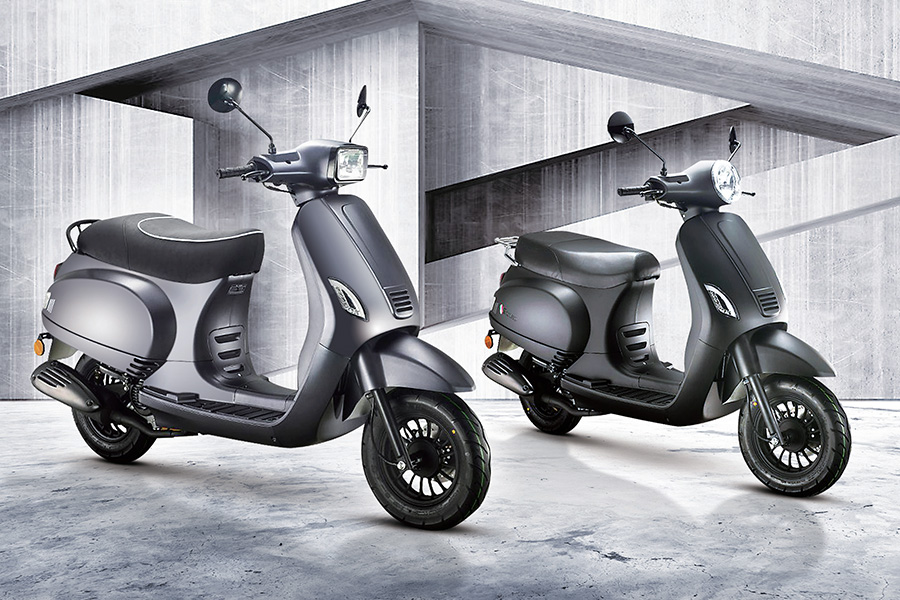
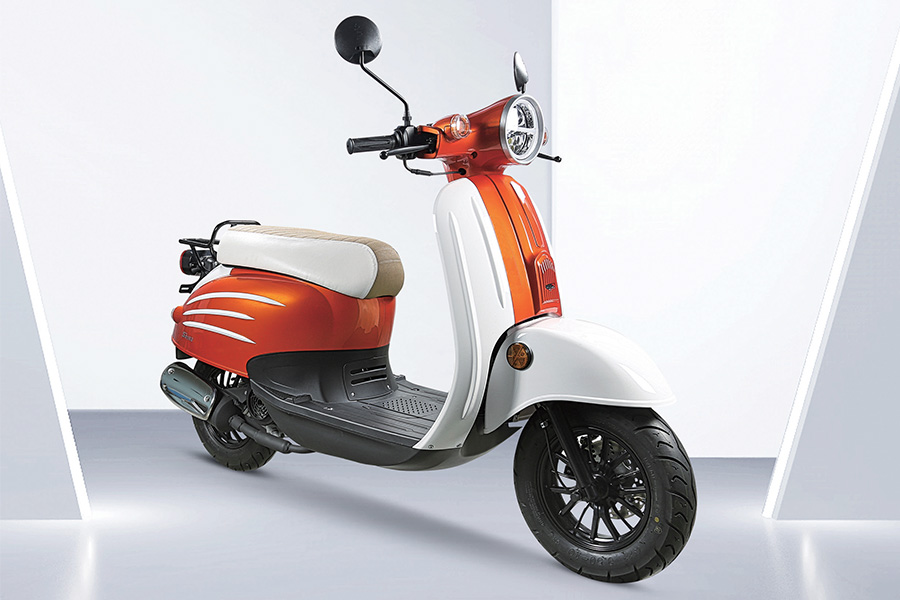
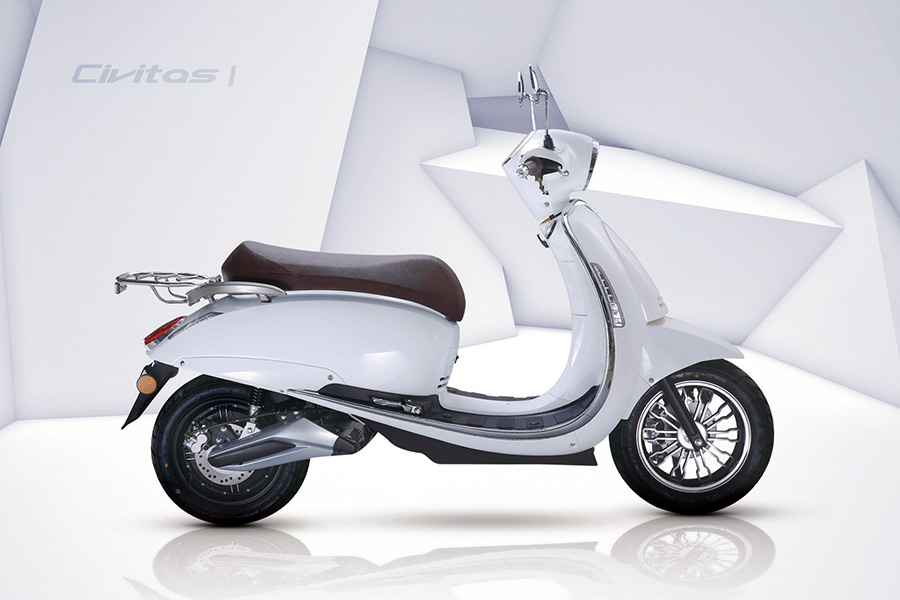
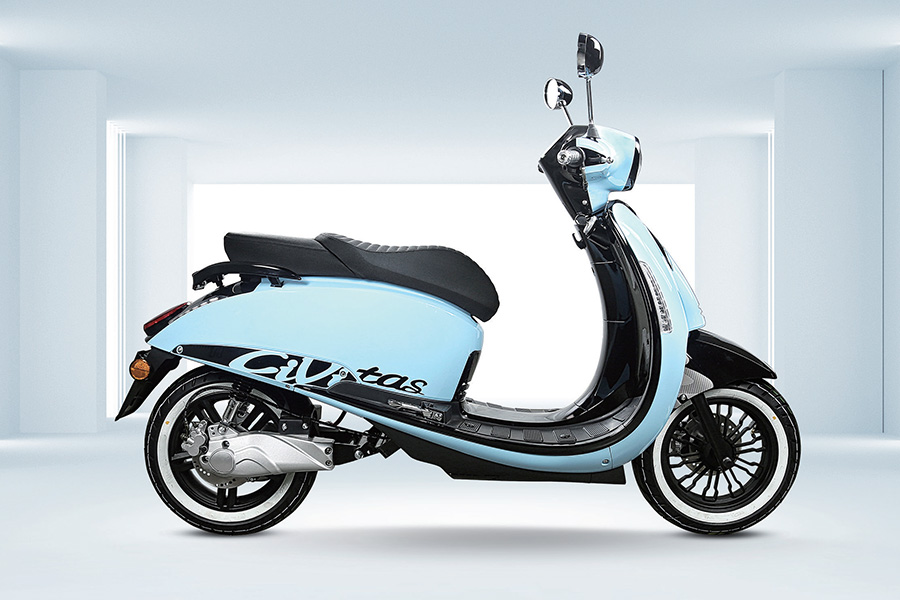
In terms of variety, the gasoline moped scooter market offers something for nearly every aesthetic preference and practical use case. Retro-styled models with round headlights and chrome detailing appeal to riders who want their commute to feel a little more characterful. Sportier flat-deck designs suit those who prioritize a lower profile and a slightly more aggressive riding posture. Cargo-oriented variants with reinforced racks front and rear have become popular in urban delivery operations, where carrying capacity and durability take clear priority over style.
Whatever draws a rider to the category — economy, convenience, simplicity, or sheer habit — the gasoline moped scooter continues to deliver a riding experience that feels earned rather than effortless. It asks a little of its rider: a hand on the throttle, an ear tuned to the engine note, a stop at the pump every week or two. In exchange, it offers something dependable, honest, and hard to replace.