

 俄语
俄语 西班牙语
西班牙语 阿拉伯语
阿拉伯语The electric moped is steadily gaining recognition as manufacturers refine production processes and introduce new design approaches. Positioned between traditional scooters and bicycles, electric mopeds offer a distinct combination of structure and usability that appeals to a wide range of riders. Their development reflects ongoing changes in manufacturing techniques and user expectations in the mobility sector.
Modern electric moped production often begins with frame engineering. Unlike smaller scooters, mopeds require a more robust structure to support larger components and provide stable handling. Factories use precision cutting and welding methods to shape metal frames, ensuring consistent geometry across production batches.
Assembly lines for electric mopeds are designed to handle multiple stages efficiently. Frames move through welding, coating, and component installation in a structured sequence. Each stage is optimized to reduce delays and maintain workflow continuity. Workers and automated systems collaborate to install motors, battery systems, braking components, and electronic controls in a coordinated manner.
Motor integration is a central aspect of electric moped design. Many models use hub motors mounted directly in the wheel, simplifying the drivetrain and reducing the number of moving parts. This configuration allows for compact assembly and straightforward power transmission. Engineers focus on achieving smooth acceleration and consistent output, ensuring that the riding experience remains stable across different conditions.
Battery placement is carefully considered during production. Electric mopeds often feature larger battery units compared to smaller scooters, requiring secure mounting and balanced positioning. Manufacturers design compartments that protect the battery while maintaining accessibility during assembly. Wiring systems are routed efficiently to connect the battery with the motor and control units, reducing complexity and supporting consistent performance.
Advanced fabrication techniques contribute to the refinement of electric mopeds. Laser cutting, automated bending, and precision molding are used to create components that fit together seamlessly. These methods reduce material waste and improve assembly accuracy. Consistent part quality supports faster production and helps maintain uniform standards across different models.
From a usage perspective, electric mopeds are built to handle daily travel in urban and suburban environments. Their seating design provides comfort during longer rides, while the overall structure supports stability at moderate speeds. Storage compartments are often integrated into the frame, allowing riders to carry personal items without additional accessories. Lighting systems and digital displays enhance visibility and provide essential information during operation.
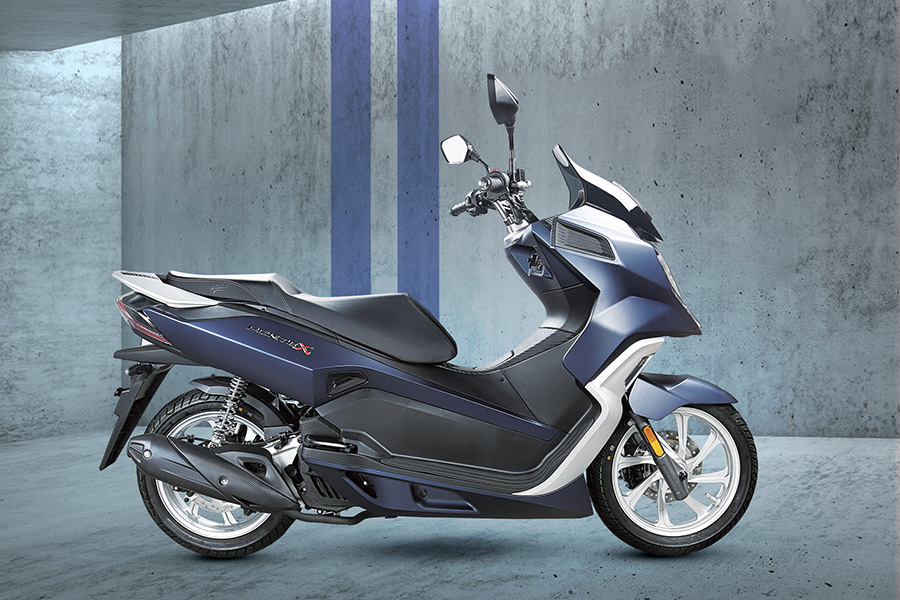
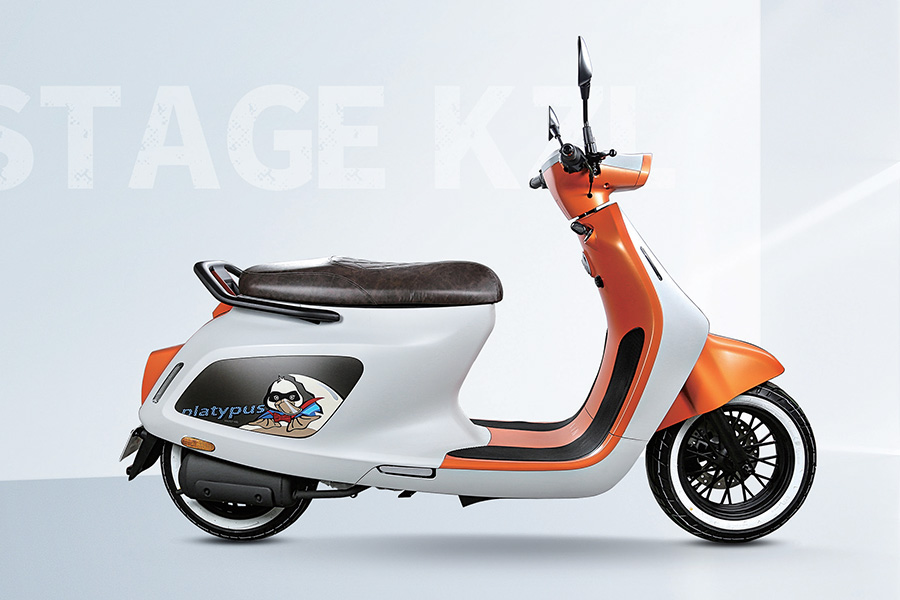
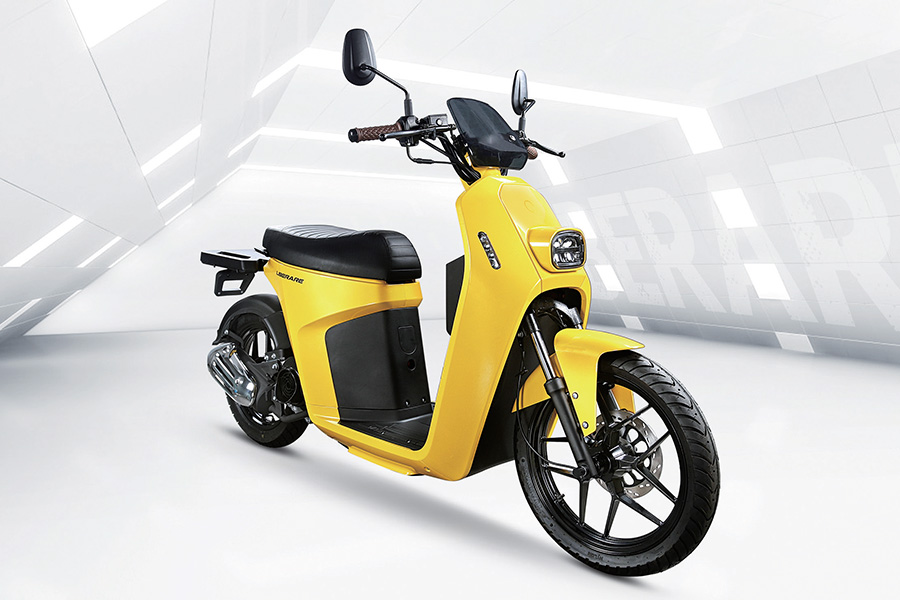
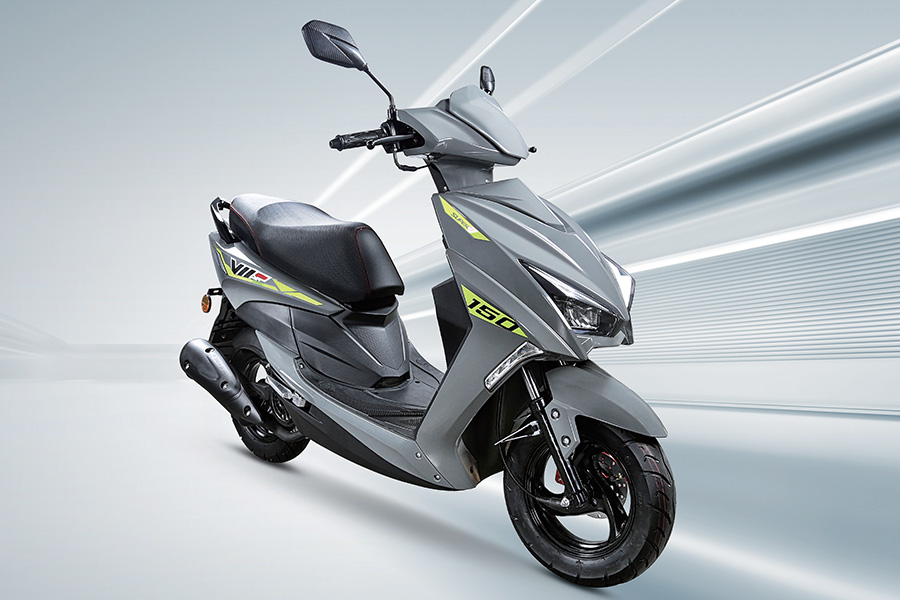
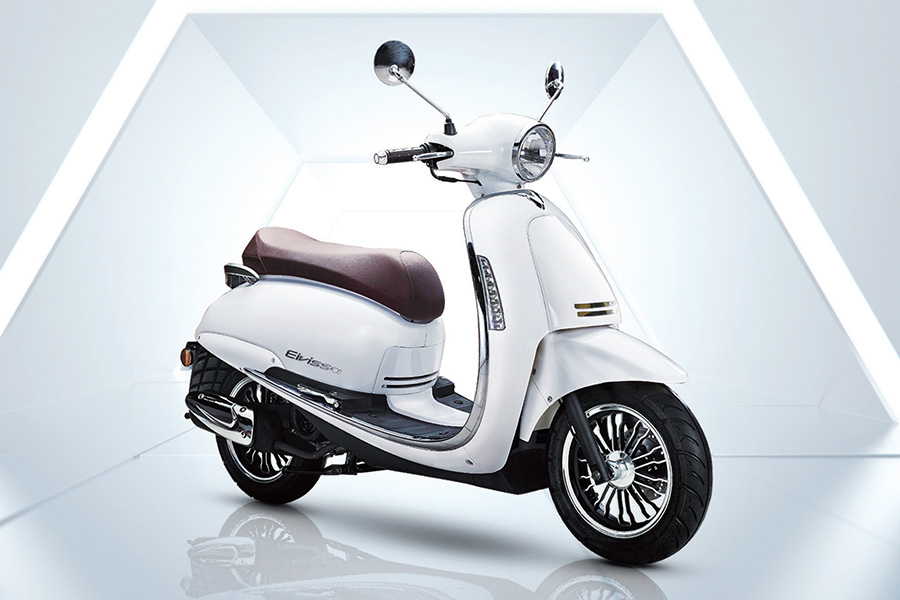
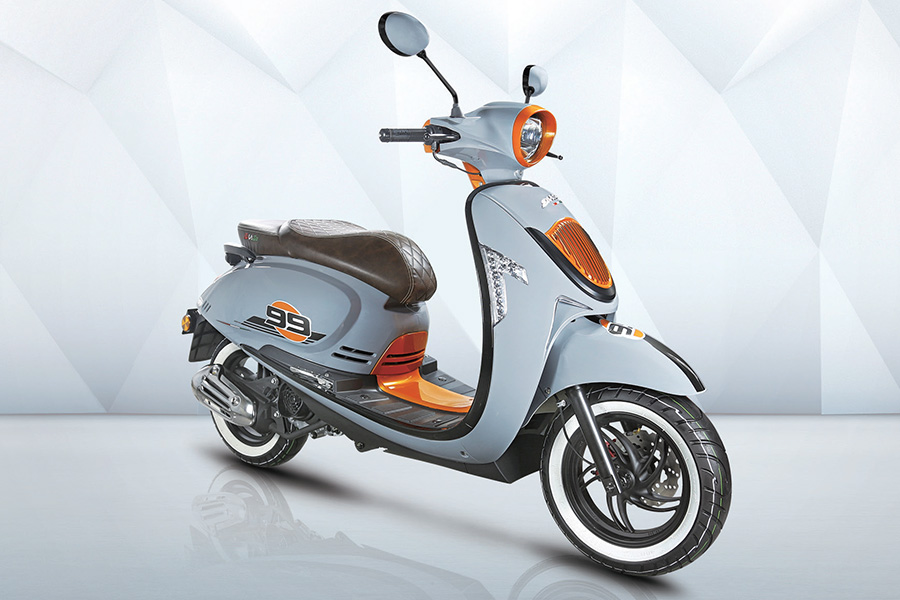
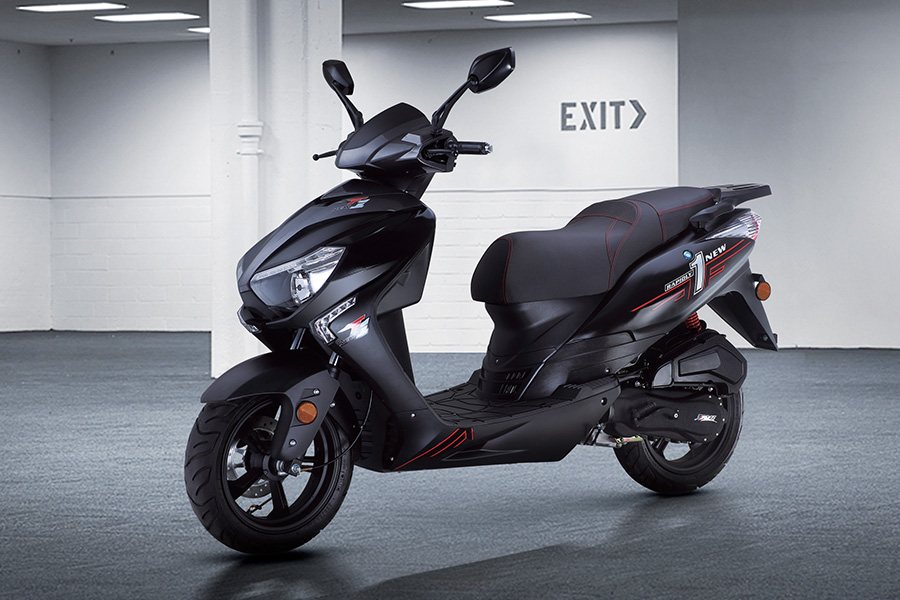
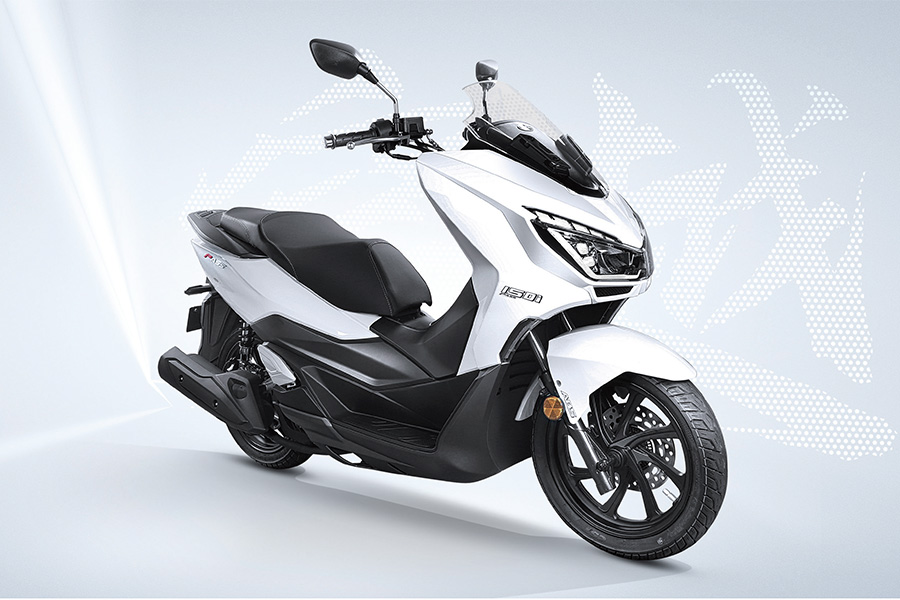
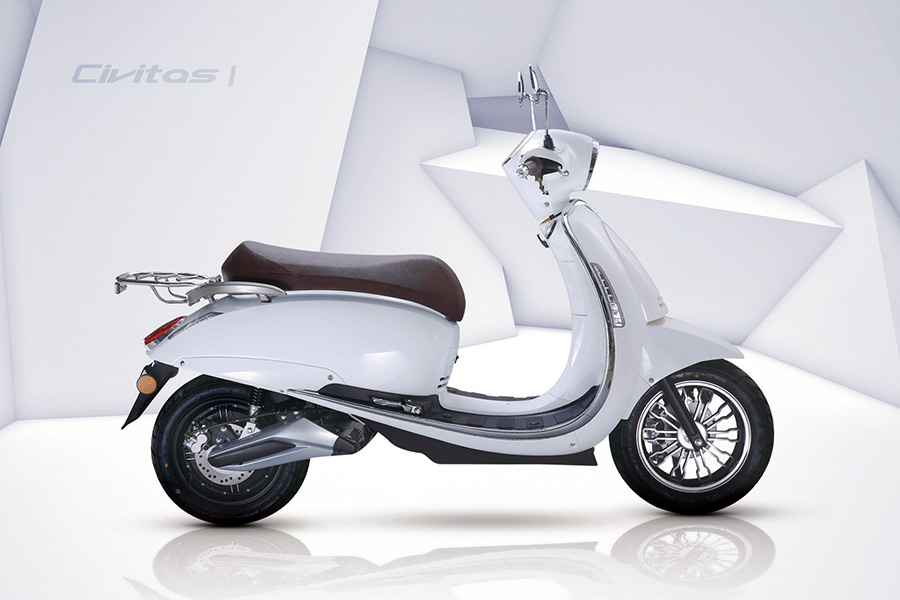
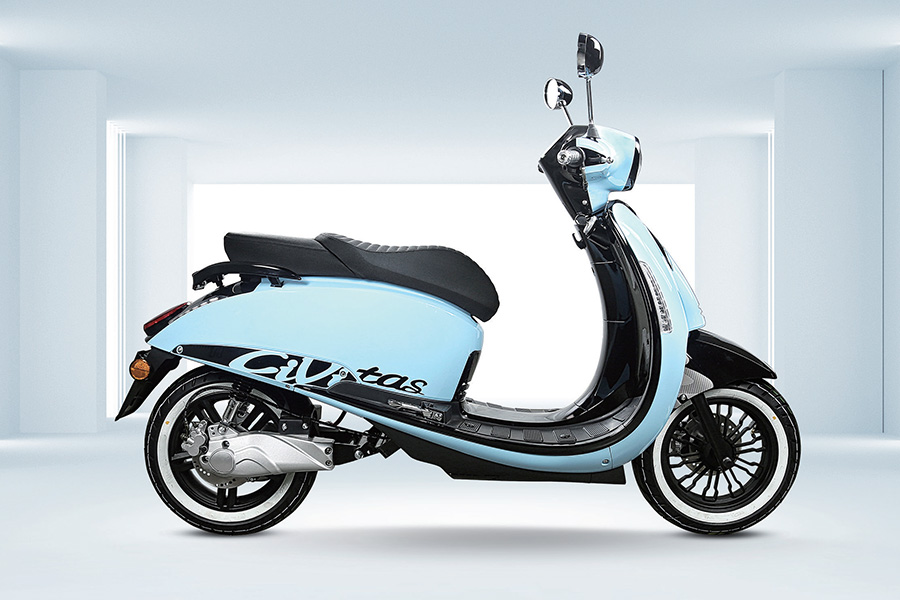
Design flexibility is another characteristic of electric mopeds. Manufacturers experiment with different frame styles, seating arrangements, and handlebar configurations to suit various rider preferences. Some models emphasize compact dimensions for easier navigation in crowded areas, while others focus on extended seating and additional storage capacity. This diversity allows users to select a model that aligns with their specific needs.
Quality control remains an important part of the production process. Each electric moped typically undergoes inspection stages where components are checked for alignment, connectivity, and functionality. Testing procedures may include motor response checks, braking performance evaluation, and electronic system verification. These steps help ensure that each unit meets expected standards before reaching the market.
The evolution of electric mopeds highlights how manufacturing innovation and user-focused design can shape modern mobility solutions. Demand grows and technologies advance, and electric mopeds are expected to remain a consistent presence in the landscape of personal travel, offering a balanced approach to convenience and functionality.