

 俄语
俄语 西班牙语
西班牙语 阿拉伯语
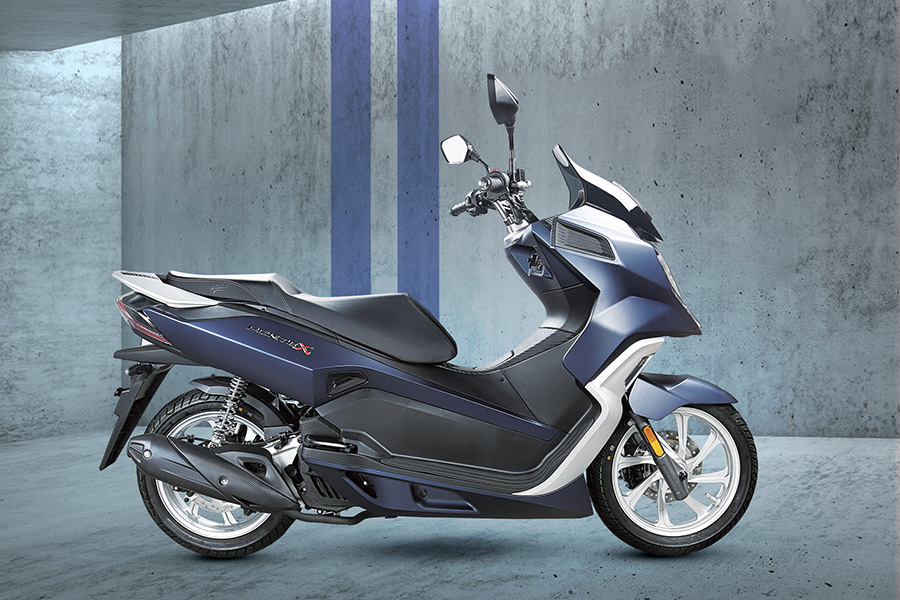
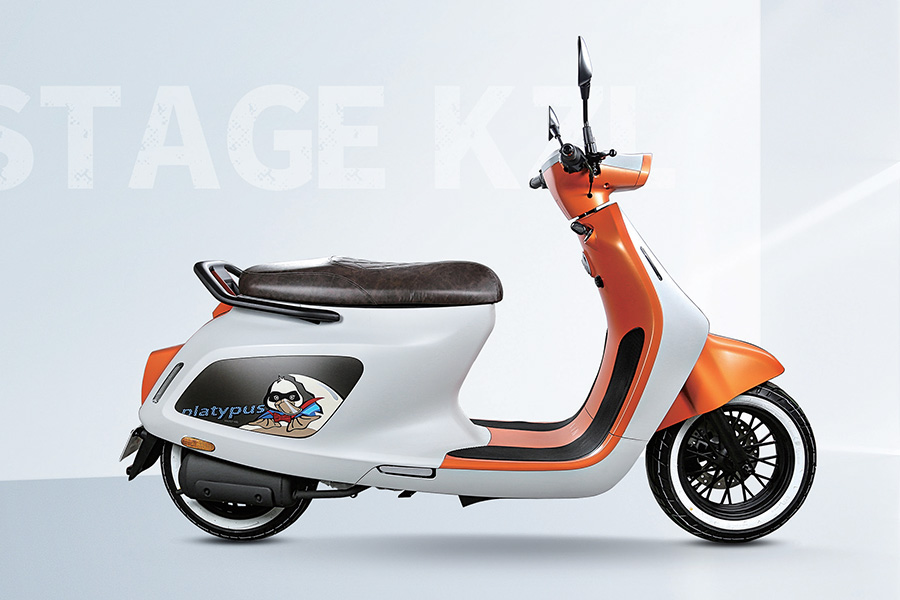
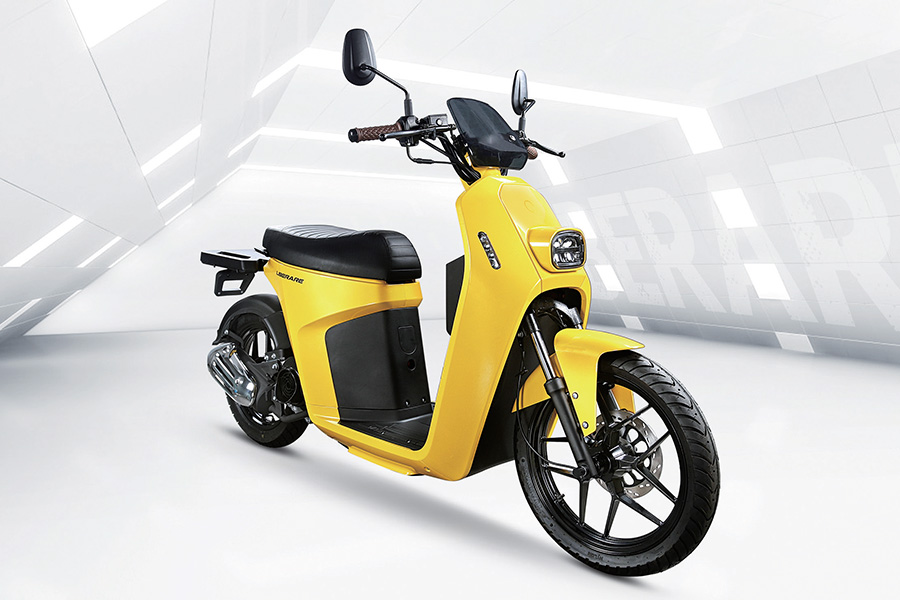
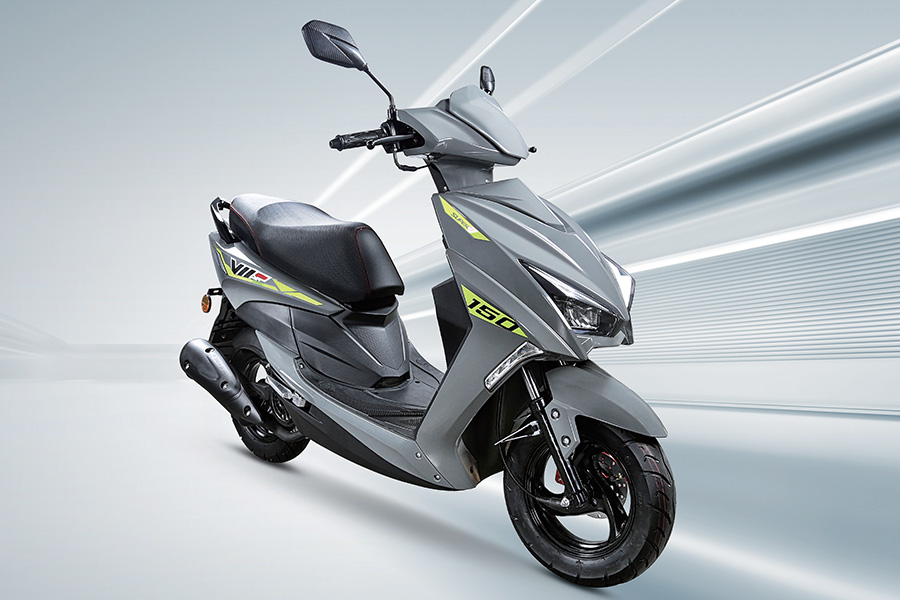
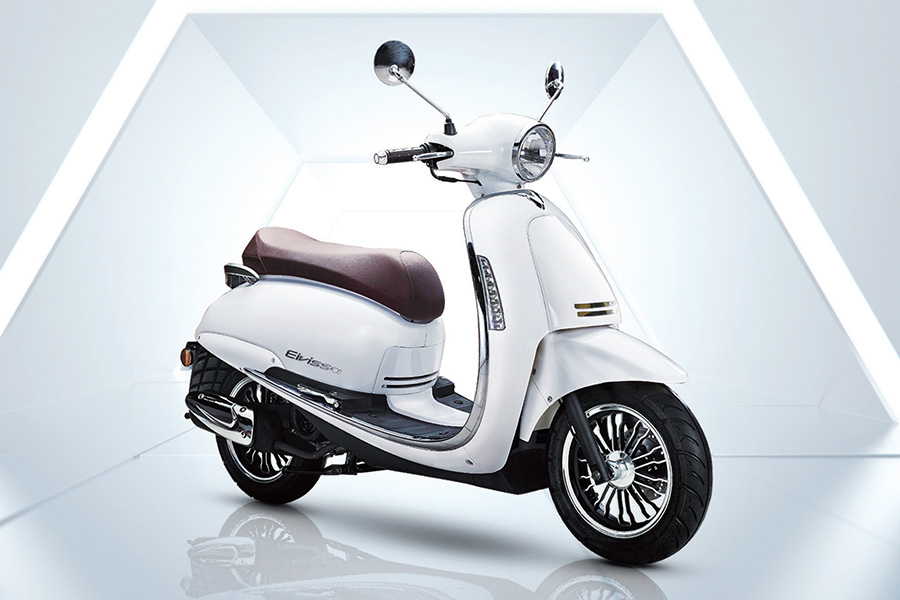
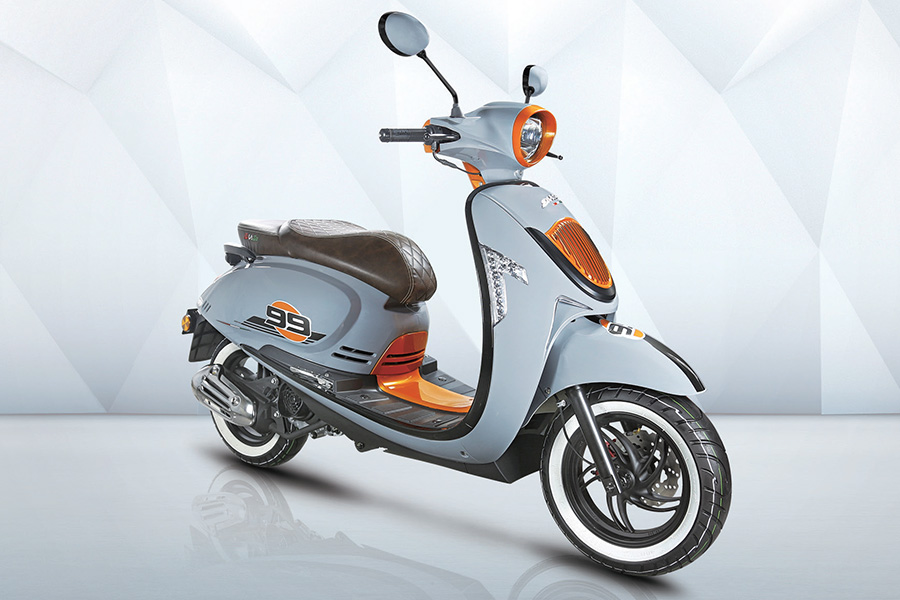
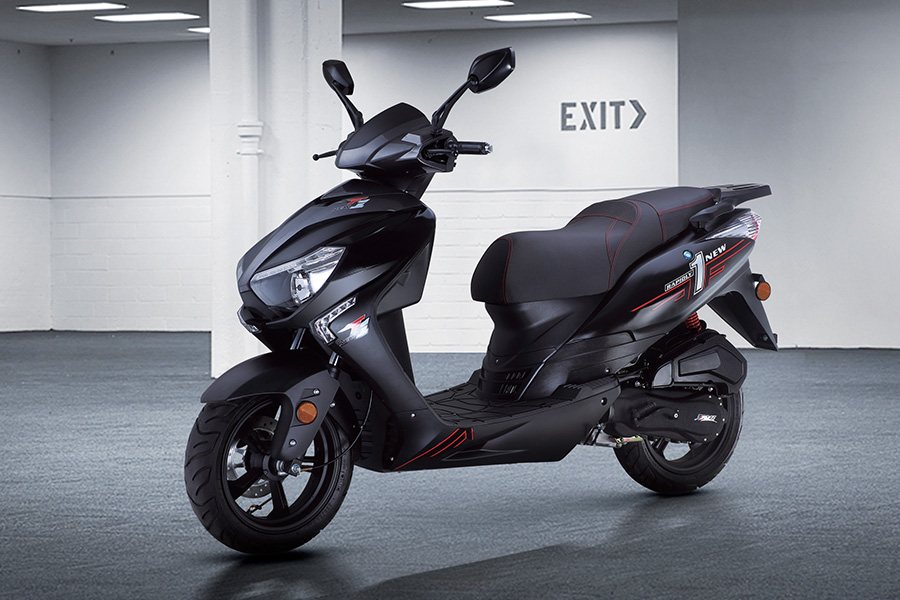
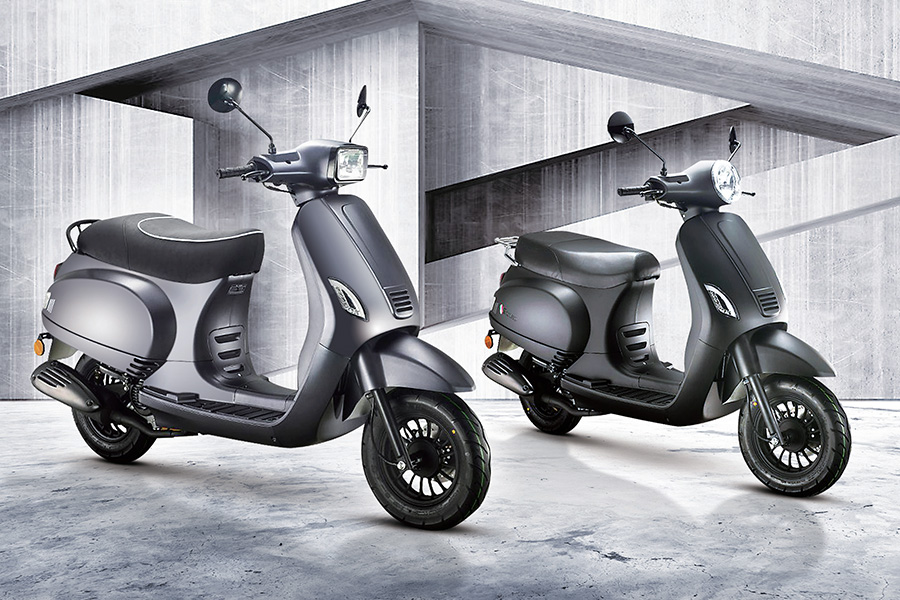
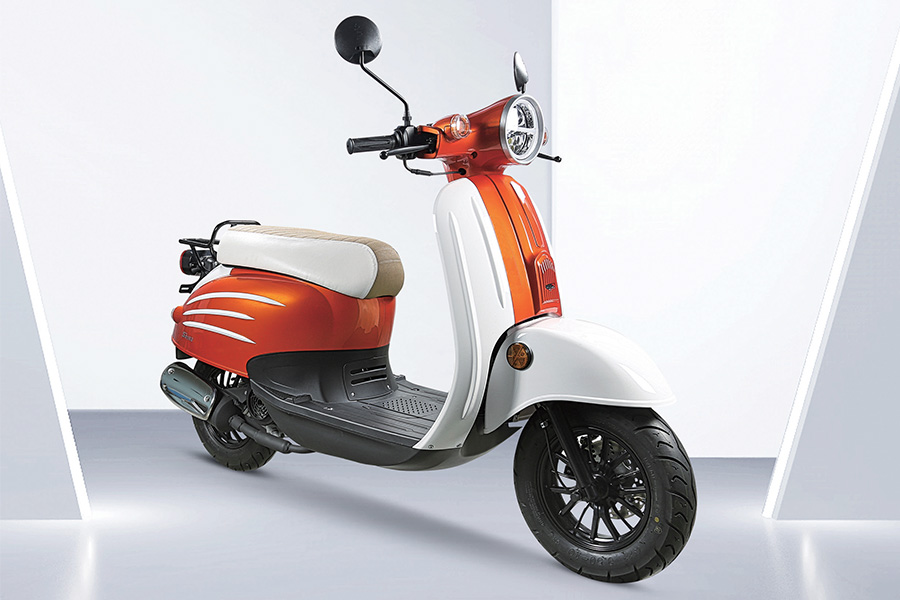
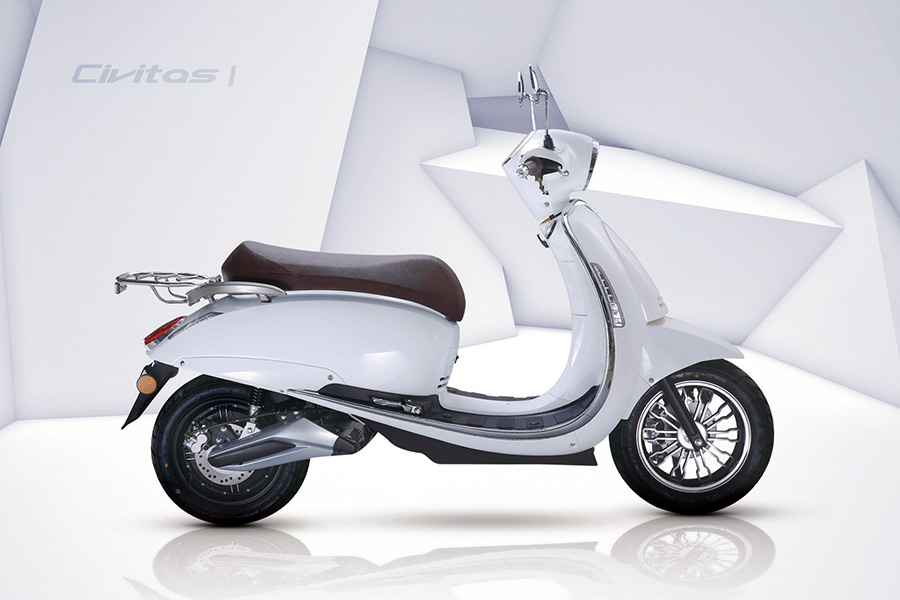
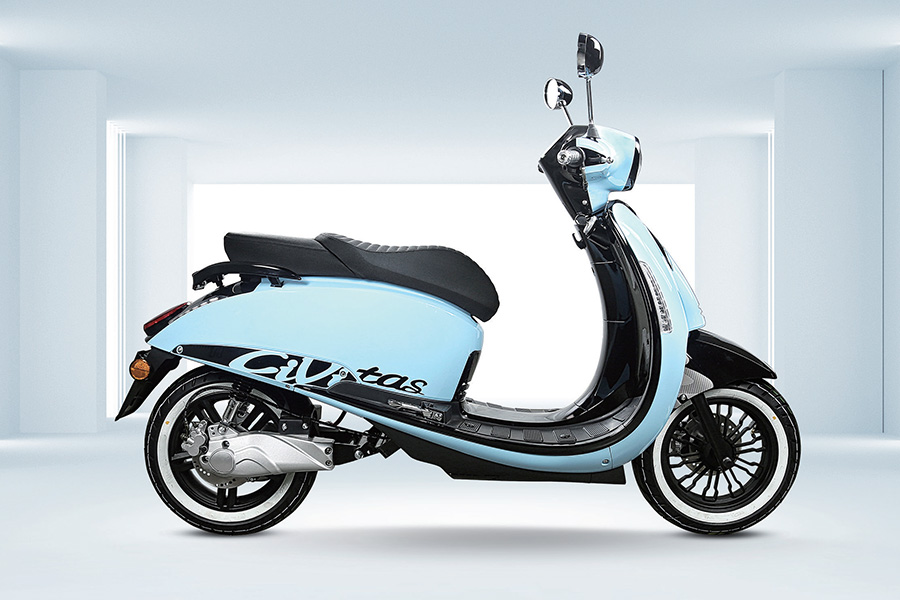
阿拉伯语You’ll always see gas scooters threading through city traffic—they're nimble, buzzy, and good for getting around. They stay popular because the entry price is so much lower than electric alternatives. If you’re just looking for a cheap, straightforward way to commute without overthinking it, the savings alone make them a win.
Why people still buy gas-powered scooters
Electric options have made real inroads over the past few years, yet gas scooters keep selling. Part of the reason is simple familiarity: riders know how they work, mechanics know how to fix them, and gas stations are never hard to find. Pull up, fill the tank in two minutes, and keep moving — no charging cable, no range math, no waiting.
Budget is another massive factor. Gas scooters still comfortably undercut electric models when it comes to the purchase price. For riders who just want simple, straightforward wheels without breaking the bank, that upfront cost gap remains a dealbreaker.
Picking the right engine size
Engine displacement is the single biggest decision a new buyer will make. A 50cc scooter tops out around 30 mph — fine for flat neighborhood streets, genuinely frustrating anywhere near highway on-ramps or fast arterials. Step up to 125cc and the picture changes: you can keep up with city traffic, handle light hills without drama, and cruise at 55–60 mph when conditions allow.
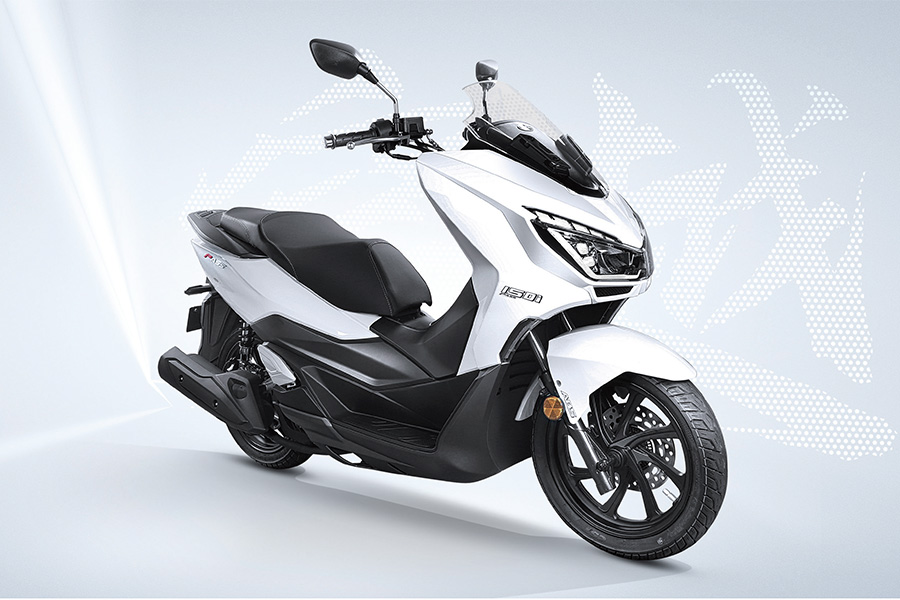
Riders who regularly tackle longer commutes or steeper terrain often land on 150cc or 250cc models. These sit closer to motorcycle territory in feel, with stronger pull at higher speeds and better stability on uneven pavement. Fuel injection, now standard on modern units in this range, makes cold starts cleaner and part-throttle response noticeably smoother than older carbureted engines.
Maintenance: what actually needs doing
One thing veteran scooter owners tend to appreciate is how uncomplicated the service schedule is. Oil changes every 1,500 to 2,000 miles, a fresh spark plug once a year, periodic air filter cleaning, and brake pad checks — that's the core of it. Unlike many modern vehicles, you can still handle several of these tasks at home with basic tools and a YouTube tutorial.
Finding a mechanic who works on small-displacement engines is rarely difficult, and parts availability has improved significantly over the past decade even for budget-oriented brands. A well-maintained gas scooter can realistically cover 25,000 to 35,000 miles before needing any significant engine work.
Honest tradeoffs worth knowing before you buy
Gasoline scooters aren't without downsides. They produce exhaust emissions, which some cities are beginning to restrict more aggressively. They're louder than electric alternatives, which matters if you're leaving early in the morning in a residential neighborhood. And while they're simpler mechanically, they do require more regular attention than an electric motor with far fewer moving parts.
Storage is another factor people underestimate. You'll need secured parking, ideally covered, since leaving a gas scooter exposed to weather accelerates corrosion and invites fuel system problems down the road.
A straightforward bottom line
If your commute is under 30 miles each way, gas stations are nearby, and you'd rather spend money on a weekend trip than a premium battery pack, a gasoline scooter makes a lot of sense. It won't win any awards for green credentials, but as a dependable, low-cost daily runner — it holds up remarkably well.